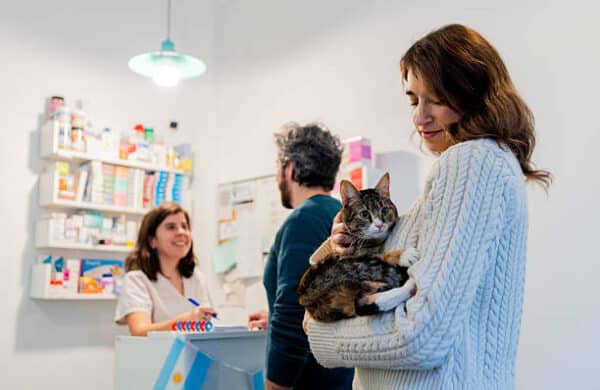
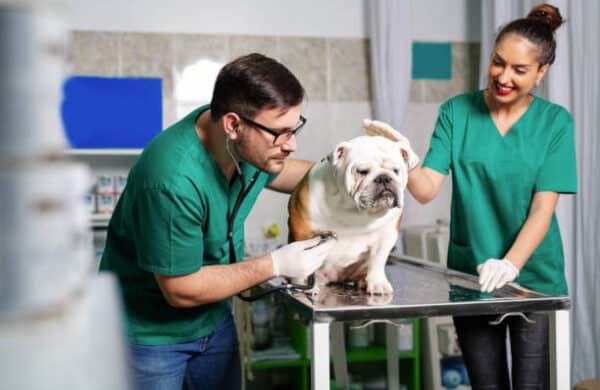
Cats are masters at hiding discomfort. Unlike many other pets, they often continue eating, playing, and behaving normally even when an underlying health issue is developing. By the time obvious signs appear, the condition may already be more advanced. This is why routine vet care for cats plays such an important role in protecting your pet’s health. Scheduling regular checkups with experienced cat vets at a trusted cat hospital helps identify potential concerns early, giving your cat the best chance for timely treatment and a healthier life.
Cats Naturally Hide Illness
Cats have an instinct to conceal pain or weakness. This behavior helped their wild ancestors avoid predators, but it can make health problems difficult for owners to recognize.
A cat may appear perfectly healthy while subtle changes are taking place internally. Regular examinations allow veterinary professionals to detect issues that are not visible during everyday life.
A Complete Physical Examination
During a routine appointment, veterinarians evaluate much more than your cat’s weight.
They examine the eyes, ears, teeth, skin, coat, heart, lungs, joints, and abdomen while checking for any unusual findings. Small changes that might seem insignificant to an owner can provide important clues about your cat’s overall health.
Visiting experienced cat vets ensures these evaluations are tailored specifically to feline health, making it easier to detect concerns before they become serious.
Dental Problems Often Develop Quietly
Dental disease is one of the most common health conditions in cats.
Unfortunately, many cats continue eating even when they have painful teeth or inflamed gums. Without a professional examination, these issues may remain unnoticed for months.
Routine dental evaluations help identify plaque buildup, gum disease, broken teeth, and oral infections before they begin affecting your cat’s comfort and overall well-being.
Weight Changes Can Signal Bigger Issues
A small increase or decrease in weight may not seem important at first.
However, gradual weight changes can sometimes indicate underlying medical conditions, nutritional concerns, or metabolic disorders. Regular monitoring allows veterinarians to compare results over time rather than relying on a single visit.
Consistent routine vet care for cats provides valuable health records that help identify patterns before noticeable symptoms develop.
Blood Tests Reveal Hidden Conditions
Many diseases begin long before physical signs become obvious.
Routine bloodwork can detect changes related to kidney function, liver health, thyroid activity, blood sugar levels, and other important indicators. Early diagnosis often allows treatment to begin sooner, improving long-term outcomes.
Preventive testing becomes even more valuable as cats grow older.
Parasite Prevention Matters
Even indoor cats can be exposed to parasites.
Fleas, ticks, intestinal parasites, and other pests may enter the home through people, other pets, or outdoor items. Preventive care helps reduce these risks while protecting both pets and household members.
A qualified cat hospital can recommend parasite prevention plans based on your cat’s lifestyle and health needs.
Vaccinations Support Long-Term Health
Vaccinations remain an important part of preventive care.
Your veterinarian will recommend an appropriate schedule based on your cat’s age, medical history, and lifestyle. Staying current with recommended vaccines helps reduce the risk of several preventable diseases.
Regular appointments also provide opportunities to review your cat’s overall wellness plan.
Behavioral Changes Can Have Medical Causes
Changes in behavior are sometimes linked to health issues rather than personality.
Increased hiding, reduced activity, excessive vocalization, appetite changes, or litter box problems may all deserve medical attention.
Veterinary examinations help determine whether these behaviors are related to pain, illness, or other underlying conditions that require treatment.
Senior Cats Need Extra Monitoring
As cats age, regular health evaluations become even more important.
Older cats have a greater risk of developing chronic conditions that progress gradually. Frequent monitoring allows veterinarians to recognize early warning signs and recommend appropriate care before quality of life is affected.
Routine visits help senior cats remain comfortable and active for as long as possible.
Building a Long-Term Health Record
Each veterinary visit adds valuable information about your cat’s health.
Weight trends, examination findings, laboratory results, vaccination history, and previous treatments all contribute to a more complete medical picture. Having consistent records makes it easier to notice subtle changes over time.
This is another reason why routine care is an investment in your pet’s future rather than simply an annual appointment.
Creating a Positive Veterinary Experience
Regular visits also help cats become more familiar with the veterinary environment.
When appointments are associated with routine wellness care instead of emergencies alone, many cats gradually become less anxious during examinations.
Choosing experienced cat vets who understand feline behavior can make these visits calmer and more comfortable for both pets and owners.
Prevention Is Always Better Than Waiting
Waiting until a cat appears sick may allow a manageable problem to become much more difficult to treat.
Preventive care focuses on identifying concerns early, monitoring ongoing health, and providing personalized recommendations that support lifelong wellness.
Partnering with a reliable cat hospital gives owners access to professional guidance, diagnostic services, and ongoing support whenever questions arise.
Conclusion
Cats cannot tell us when something feels wrong, and many illnesses remain hidden until they have progressed. Regular wellness examinations, preventive testing, dental care, vaccinations, and health monitoring all contribute to earlier detection and better outcomes. By prioritizing routine vet care for cats, working closely with knowledgeable vets, and establishing an ongoing relationship with a trusted cat hospital, cat owners can help their companions enjoy healthier, happier lives for many years to come.