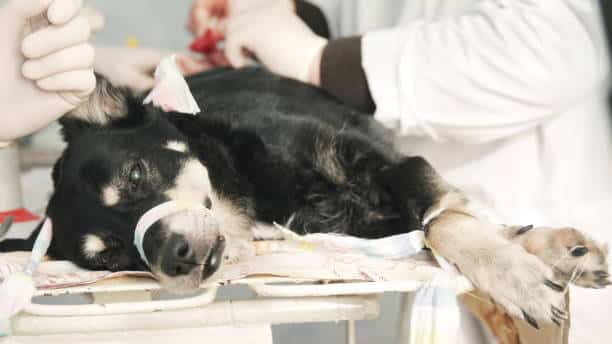
Spaying or neutering is one of the most common procedures recommended for dogs and cats, yet many pet owners still have questions about it. Is it really necessary? Will it change a pet’s personality? Is there a “right” age?
With so much conflicting information online, it can be difficult to separate facts from outdated advice. If you’re considering spaying & neutering in Mississauga, understanding the common myths can help you make a more informed decision for your pet.
At Brittany Glen Animal Hospital, conversations about spaying and neutering start with your individual pet—not with assumptions or one-size-fits-all recommendations.
Myth 1: Spaying and Neutering Is Only About Preventing Pregnancy
Population control is certainly an important reason to spay or neuter pets, but it isn’t the only consideration.
Spaying a female pet prevents unwanted pregnancies and eliminates the risk of certain reproductive conditions. Neutering a male can also prevent unwanted breeding and may reduce behaviours associated with mating.
The procedure can therefore play a role in both responsible pet ownership and long-term reproductive health.
Myth 2: Spaying or Neutering Will Completely Change My Pet’s Personality
This is one of the biggest concerns pet owners have.
Spaying or neutering does not mean your dog or cat will suddenly become a different animal. Your pet’s personality is shaped by genetics, environment, training, socialization, and everyday experiences.
Some behaviours influenced by reproductive hormones may change after surgery, but your pet should still have the same individual temperament, affection, and quirks that make them who they are.
Myth 3: Every Pet Should Be Spayed or Neutered at Exactly the Same Age
There isn’t necessarily one perfect age for every dog or cat.
Breed, size, age, sex, overall health, lifestyle, and other factors can influence when the procedure is appropriate. Your veterinarian can evaluate your pet and discuss the timing that makes sense for their circumstances.
This is particularly important for growing dogs, where body size and development can be relevant to the discussion.
If you’re researching spaying & neutering in Mississauga, don’t rely solely on a general age recommendation you find online. Talk to a veterinary professional who knows your pet’s health history.
Myth 4: My Indoor Cat Doesn’t Need to Be Spayed or Neutered
Indoor pets can still benefit from sterilization.
An indoor cat may accidentally escape, encounter another cat, or experience reproductive behaviours that make life at home more difficult. Spaying and neutering can also help prevent unwanted litters if circumstances change.
Even if breeding isn’t a concern today, responsible planning can help protect your pet and prevent unexpected situations in the future.
Myth 5: Spaying and Neutering Is Only a Cosmetic Choice
Far from being cosmetic, these are surgical procedures with meaningful reproductive-health implications.
Spaying removes the reproductive organs of a female pet, while neutering typically involves removal of the testicles in a male. Both procedures require proper veterinary assessment, anesthesia, surgical care, and post-operative monitoring.
That means choosing qualified veterinary care matters.
At Brittany Glen Animal Hospital, pet owners can discuss the procedure, preparation, potential risks, and recovery expectations with their veterinary team before making a decision.
Myth 6: Recovery Will Take Months
Most pets do not need months to recover from routine spay or neuter surgery.
However, recovery still requires care and patience. Your veterinarian may recommend limiting running, jumping, rough play, and other strenuous activities for a period of time. Keeping the surgical site clean and preventing excessive licking are also important.
Your pet may seem energetic before they’re fully healed. That’s why following the post-operative instructions is essential, even if they appear to feel completely normal.
Myth 7: Once the Surgery Is Done, There’s Nothing Else to Think About
Spaying or neutering is an important step, but it doesn’t replace regular veterinary care.
Your pet will still need appropriate nutrition, exercise, preventive care, vaccinations, parasite protection, dental care, and routine health examinations.
It is also worth discussing changes in weight or activity after surgery. Some pets may have different nutritional needs over time, making ongoing monitoring important.
What Should You Ask Your Veterinarian?
If you’re considering spaying or neutering, don’t be afraid to ask questions.
You may want to discuss:
- The recommended timing for your pet
- What happens during the procedure
- How to prepare before surgery
- Pain management and anesthesia
- Expected recovery time
- Activity restrictions
- Signs that require veterinary attention
- Nutrition and weight management afterward
These conversations can turn an unfamiliar procedure into a much more manageable experience.
Making an Informed Choice for Your Pet
There is no shortage of opinions about spaying and neutering. The challenge is knowing which information applies to your particular pet.
Instead of relying on myths, social media posts, or advice intended for a completely different breed or situation, start with a conversation with your veterinarian.
For pet owners exploring spaying & neutering in Mississauga, Brittany Glen Animal Hospital can be a place to discuss your pet’s individual needs and understand what the procedure may involve.
The Bottom Line
Spaying and neutering are common procedures, but that doesn’t mean every pet owner’s questions are the same.
The best decision comes from understanding the facts, considering your pet’s individual health and circumstances, and discussing the options with a veterinary professional.
When you move beyond the myths, spaying and neutering become less about following a generic rule and more about making a thoughtful, informed choice for the companion who depends on you.