Vaccination

Cat Hospital of Mississauga

What Makes a Feline Animal Hospital Truly Cat-Friendly? Most Owners Miss This

Cats are not just small dogs, they are entirely different creatures with unique behaviors, sensitivities, and medical needs. Yet many pet owners still take their cats to general veterinary clinics without realizing how much environment and approach matter. This is where a feline animal hospital stands apart.

If you’ve ever struggled to get your cat into a carrier, dealt with post-vet stress, or noticed your pet acting differently after a visit, you’re not alone. The truth is, most clinics aren’t designed with cats in mind. And that’s exactly why places like the cat hospital Mississauga are gaining attention among informed pet owners.

So what actually makes a feline hospital truly cat-friendly? Let’s break it down.

Cats Experience Stress Differently

One of the most overlooked facts is that cats are highly sensitive to their surroundings. Loud noises, unfamiliar smells, and the presence of dogs can trigger anxiety quickly.

In a standard clinic, barking dogs, crowded waiting rooms, and rushed appointments can overwhelm a cat before the exam even begins. A feline animal hospital eliminates these stressors by creating a quieter, controlled environment designed specifically for cats.

At the cat hospital Mississauga, for example, the entire setup revolves around minimizing stress, from separate waiting areas to gentle handling techniques. These small changes make a big difference in how your cat experiences care.

A Cat-Friendly Environment Isn’t Just About Silence

Many people assume a “quiet clinic” is enough. But true cat-friendly design goes much deeper.

A proper feline hospital considers:

  • Elevated surfaces where cats feel safer
  • Soft lighting instead of harsh fluorescent lights
  • Minimal strong smells (especially disinfectants or other animals)
  • Calm, unhurried handling by trained staff

Cats feel most secure when they have a sense of control. Clinics like the cat hospital Mississauga focus on giving cats that comfort, even during examinations.

Specialized Knowledge Matters More Than You Think

Cats are experts at hiding illness. By the time symptoms become obvious, the condition may already be advanced.

This is where a cat hospital truly shines. Veterinarians who work exclusively with cats are trained to notice subtle behavioral and physical changes that general practitioners might miss.

At the cat hospital Mississauga, this specialized focus allows for:

  • Earlier detection of health issues
  • More accurate diagnoses
  • Tailored treatment plans specifically for feline biology

This level of expertise can significantly improve long-term outcomes for your pet.

Handling Techniques Make a Huge Difference

If your cat has ever come home from the vet agitated or aggressive, handling is often the reason.

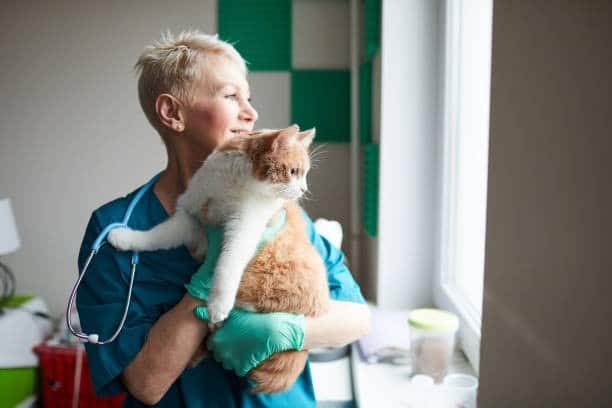
Cats respond best to gentle, minimal restraint. A feline hospital uses low-stress handling techniques that prioritize comfort over force.

Instead of holding a cat down, trained professionals:

  • Allow the cat to move naturally
  • Use towels or soft wraps for comfort
  • Take breaks if the cat becomes overwhelmed

The result? A calmer visit and a much better experience for both the cat and the owner.

Shorter, More Focused Appointments

Another key feature of a cat-friendly clinic is time management. Rushed appointments can increase stress and lead to missed details.

The cat hospital Mississauga emphasizes:

  • Longer consultation times
  • Focused one-on-one attention
  • Clear communication with pet owners

This ensures your concerns are addressed fully while keeping your cat as relaxed as possible.

Preventive Care Is a Bigger Priority

A feline clinic doesn’t just treat illness, it focuses heavily on prevention.

Because cats often hide symptoms, routine checkups are essential. Specialized clinics encourage proactive care, including:

  • Regular health screenings
  • Nutritional guidance
  • Behavioral assessments

The cat hospital Mississauga takes this a step further by educating owners on early warning signs, helping prevent serious conditions before they develop.

Why This Choice Matters More Than You Think

Choosing the right clinic isn’t just about convenience, it directly impacts your cat’s health and well-being.

A stressful vet experience can lead to:

  • Avoidance of future visits
  • Increased anxiety and behavioral issues
  • Delayed medical care

On the other hand, a positive experience at a cat-specialized hospital builds trust and makes routine care easier over time.

That’s why more pet owners are turning to the cat hospital Mississauga when they want a setting that truly understands feline needs.

The Detail Most Owners Miss

Here’s the part many people overlook: cats remember negative experiences.

One bad visit can make future trips significantly harder. This is why choosing a cat-friendly clinic from the beginning is so important.

A feline animal hospital doesn’t just treat your cat, it shapes how your cat feels about care for the rest of its life.

Final Thoughts

At first glance, all veterinary clinics may seem similar. But when you look closer, the difference between a general practice and a feline hospital becomes clear. From environment and handling to expertise and preventive care, every detail is designed with one goal: keeping cats calm, healthy, and stress-free. If you want better outcomes and a smoother experience for your pet, choosing a specialized clinic like the cat hospital Mississauga isn’t just a preference, it’s a smarter decision.

Because when it comes to cats, the little details aren’t so little after all.

Best Dog Costumes

From Superheroes to Food Themes: Best Dog Costumes Ranked

Dressing up pets has gone from a niche trend to a full-blown cultural phenomenon. From social media feeds to neighborhood events, pet costumes are everywhere and they’re more creative than ever. Whether you’re preparing for Halloween, a themed party, or just a fun photo session, choosing the best dog costumes can turn your furry friend into the star of the show.

But with so many options available, how do you pick the right one? This guide breaks down the most popular styles of pet costumes, from heroic looks to hilarious food-inspired outfits, while helping you choose something that’s both stylish and comfortable.

Superhero Costumes: Classic Crowd Favorites

Superhero-themed outfits consistently rank among the best dog costumes, and it’s easy to see why. They’re recognizable, fun, and perfect for showcasing your dog’s personality.

Whether your pup is bold and energetic or calm and watchful, there’s a superhero vibe to match. Capes, masks, and iconic colors can transform even the smallest dog into a larger-than-life character.

Why they work:

  • Instantly recognizable
  • Great for photos and events
  • Available in many sizes and styles

Superhero pet costumes are especially popular for group themes, imagine matching your dog’s outfit with your own for a coordinated look.

Food-Themed Costumes: Funny and Irresistible

If you’re aiming for laughs, food-themed costumes for animals are a top choice. From hot dogs and tacos to cupcakes and pizzas, these outfits are designed to bring smiles.

These costumes are often lightweight and easy to wear, making them a great option for dogs who aren’t used to dressing up.

Why they stand out:

  • Humor-driven appeal
  • Perfect for social media moments
  • Wide variety of creative designs

Food-themed pet costumes prove that sometimes the simplest ideas are the most memorable.

Royal & Fancy Costumes: Elegant and Eye-Catching

For pet owners who prefer a more refined look, royal costumes offer a touch of elegance. Think crowns, capes, tuxedos, and dresses that make your dog look like royalty.

These are among the best pet costumes for formal events or themed gatherings where style matters just as much as fun.

Best for:

  • Special occasions
  • Photo shoots
  • Pets with calm temperaments

While these costumes look stunning, it’s important to ensure they’re not too restrictive.

Animal-Inspired Costumes: Double the Cute

Costumes that turn your dog into another animal, like a lion, dinosaur, or even a bumblebee, are always a hit. These costumes for animals play on the irony of dressing one animal as another, creating a fun and adorable effect.

Why people love them:

  • Unique and playful
  • Great for all sizes of dogs
  • Often designed for comfort

These pet costumes are especially popular for first-time dress-ups because they’re usually simple and non-intrusive.

Pop Culture & Character Costumes

Pop culture-inspired outfits are perfect for pet owners who love trends. From movie characters to viral internet themes, these costumes keep your dog’s look fresh and relevant.

They’re often among the best costumes for those who want to stand out at events or online.

Pro tip:
 Choose a character that matches your dog’s personality, it makes the costume feel more natural and fun.

Comfort Comes First: Choosing the Right Costume

No matter how creative or trendy a costume is, your dog’s comfort should always come first. The best pet costumes are the ones your dog can wear without stress or discomfort.

Here’s what to look for:

  • Soft, breathable materials
  • Proper fit, not too tight or loose
  • Easy-to-wear designs (Velcro or slip-on styles)
  • No small parts that could be chewed off

If your dog seems uneasy, it’s better to switch to a simpler option. A happy pet always looks better than a perfectly styled one.

Making the Most of Your Pet’s Costume

Once you’ve chosen from the best costumes for animals, it’s time to show it off! Whether you’re attending an event or sharing photos online, a little planning can make a big difference.

Tips for great results:

  • Take photos in natural light
  • Use treats to keep your dog engaged
  • Keep sessions short and fun
  • Let your dog move naturally

Remember, the goal is to create a positive experience, not just a perfect picture.

The Growing Popularity of Pet Costumes

The demand for pet costumes continues to grow, and it’s not just about holidays anymore. More people are embracing costumes for animals as a way to bond with their pets and express creativity.

From everyday fun to special celebrations, dressing up pets has become a shared experience that brings joy to both owners and their furry companions.

Final Thoughts

From superheroes to food themes, the world of pet costumes offers endless possibilities. The best dog costumes combine creativity, comfort, and personality, allowing your pet to shine in their own unique way.

Whether you’re going for laughs, style, or pure cuteness, the right costume can turn any moment into something memorable. Just remember, your dog’s happiness comes first, and everything else follows.

So go ahead, explore the fun, and let your pet step into the spotlight with confidence and charm.

pet pharmacist

Common Medication Mistakes a Pet Pharmacist Helps You Avoid

Caring for a pet often involves medications at some point, whether for infections, allergies, chronic illness, or recovery after surgery. While veterinarians diagnose conditions and prescribe treatments, many pet owners are unaware that medication management itself carries risks. Incorrect dosing, improper storage, or misunderstood instructions can affect a pet’s health. This is where a pet pharmacist plays an essential role, helping prevent common medication mistakes and ensuring treatments remain safe and effective.

Understanding the Role

A pet pharmacist specializes in animal medications and understands how drugs interact differently in pets compared to humans. Animals vary widely in size, metabolism, and sensitivity, meaning even small errors can cause complications.

Unlike general pharmacy services, a pet specialized pharmacist reviews prescriptions with an animal-focused approach. They help interpret dosage instructions, recommend proper administration methods, and identify potential risks. Their expertise adds an extra layer of safety, supporting both veterinarians and pet owners throughout the treatment process.

Mistake #1: Giving Human Medication to Pets

One of the most dangerous mistakes pet owners make is assuming human medications are safe for animals. Drugs commonly used by people can be toxic to pets, even in small amounts.

For example:

  • Pain relievers safe for humans may damage a pet’s liver or kidneys.
  • Certain cold medications can cause severe reactions.
  • Supplements formulated for humans may contain harmful ingredients.

A pharmacist for pets helps verify whether medications are appropriate for specific species and ensures substitutes are properly formulated for animal use.

Mistake #2: Incorrect Dosage Calculations

Pets require highly precise dosing because medication amounts depend on weight, species, and medical condition. Even slight miscalculations can lead to under-treatment or overdose.

Common dosing problems include:

  • Estimating doses instead of measuring accurately
  • Using incorrect syringes or measuring tools
  • Confusing milligrams with milliliters

A pet pharmacist reviews dosing instructions carefully and explains them clearly to pet owners. This guidance helps eliminate confusion and reduces the risk of accidental harm.

Mistake #3: Skipping or Stopping Medication Too Early

Many pet owners discontinue medication once symptoms improve. Although this may seem harmless, stopping treatment early can cause infections to return or conditions to worsen.

Antibiotics and long-term treatments must usually be completed as prescribed. These pharmacists educate owners about why consistency matters and explains what improvements should realistically look like during treatment. This support encourages adherence to medication plans and improves recovery outcomes.

Mistake #4: Improper Medication Storage

Storage conditions significantly impact medication effectiveness. Exposure to heat, moisture, or sunlight can weaken certain drugs, making them less effective or unsafe.

In regions with warm climates, improper storage is especially common. Medications left in vehicles, kitchens, or humid bathrooms may degrade quickly. A pet-focused pharmacist provides specific storage recommendations, including refrigeration needs, temperature limits, and safe placement away from pets or children.

Mistake #5: Difficulty Administering Medication

Anyone who has tried giving medicine to a reluctant pet knows how challenging it can be. Struggling during administration often leads to incomplete dosing or missed treatments.

These pharmacists offer practical solutions such as:

  • Flavor-compounded medications
  • Liquid or chewable alternatives
  • Tips for stress-free administration
  • Customized formulations for picky pets

These adjustments make treatment easier for both pets and owners while ensuring accurate dosing.

Mistake #6: Overlooking Drug Interactions

Pets with chronic conditions often take multiple medications or supplements simultaneously. Without proper review, drug interactions can reduce effectiveness or cause side effects.

A pet pharmacist evaluates all medications together, including over-the-counter products and nutritional supplements. By identifying conflicts early, they help prevent complications that might otherwise go unnoticed.

Mistake #7: Ignoring Side Effects or Warning Signs

Pet owners sometimes assume mild behavioral changes are normal during treatment. However, symptoms such as vomiting, lethargy, appetite loss, or unusual behavior may indicate medication intolerance.

A pet specialized pharmacist explains potential side effects in advance so owners know what to monitor. They also guide when to contact a veterinarian immediately, helping ensure pets receive timely care if problems arise.

The Value of Communication in Pet Medication Safety

One of the greatest benefits is access to clear communication. Medication instructions can feel overwhelming, especially during stressful health situations.

These pharmacists translate complex medical information into easy-to-follow guidance. They answer questions about timing, dosing schedules, missed doses, and treatment expectations. This collaborative support empowers pet owners to administer medications confidently and responsibly.

Supporting Better Outcomes for Pets

Medication success depends on more than simply filling a prescription. Proper dosing, safe administration, correct storage, and careful monitoring all contribute to a pet’s recovery and long-term health.

By preventing common medication mistakes, a pet pharmacist helps ensure treatments work as intended. Their specialized knowledge reduces risk, improves compliance, and strengthens the partnership between veterinarians and pet owners.

Final Thoughts

Pet medications are powerful tools for healing, but they must be used correctly to protect animal health. Many complications arise not from the medication itself but from misunderstandings in how it is handled or administered.

Working with a knowledgeable pet pharmacist provides reassurance that every aspect of treatment, from dosage to delivery, is carefully managed. With professional guidance and informed care, pet owners can avoid preventable mistakes and give their companions the safest path toward recovery and well-being.

What Vaccines Are Right For Your Pet?

Which Vaccines Are Essential For Your Pet?

Concerns about potential side effects and the cumulative effects of vaccines may make you wonder if immunizations are really necessary. Although your pet can probably skip some vaccines, others are absolutely essential for good health and disease prevention.

Why Vaccines Are Important?

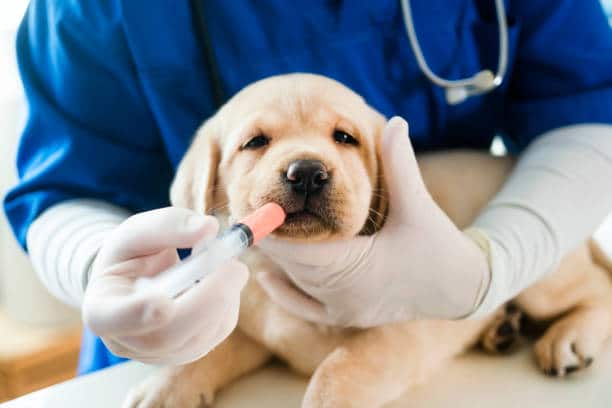
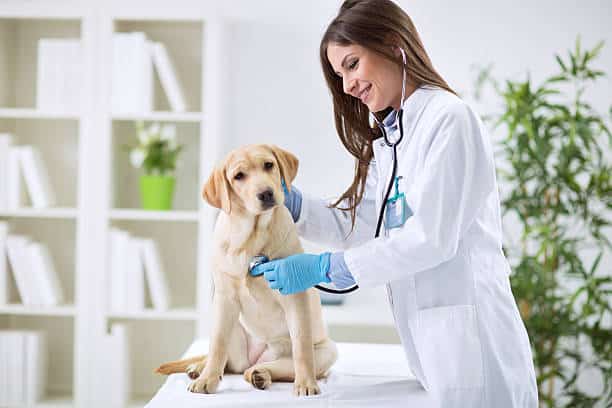
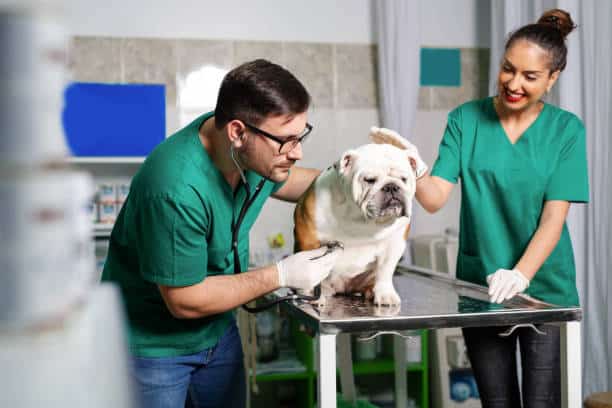
Vaccines boost your pet’s immunity and prevent him or her from developing serious diseases and illnesses, including rabies and distemper. Vaccines contain small amounts of weakened or killed viruses. After your pet receives the vaccine, he or she will develop antibodies to the disease. If your dog, cat or ferret is exposed to the virus in the future, the antibodies will quickly kill and attack the virus, preventing your pet from becoming ill.

Vaccines not only safeguard your pet’s health but also protect animals that are too young to receive vaccinations or can’t receive them due to certain health conditions. Vaccination slows or stops the spread of disease, keeping pets, and sometimes, people safe.

Before the rabies vaccine was introduced, pets and humans exposed to the virus faced certain death. Thanks to the vaccine, untold numbers of lives have been saved since it was introduced in the late 1800s. Unfortunately, rabies still kills thousands of people and animals a year in parts of the world where vaccinations are uncommon.

Which Vaccines Do My Pets Need?

Dogs, cats, and ferrets are vaccinated against the diseases most likely to affect them. Vaccines are grouped into two categories: core and non-core. Core vaccines prevent your pet from diseases most likely to occur where you live. Non-core vaccines are optional vaccines that could be needed depending on your pet’s risk factors.

Core vaccines for dogs include:

    • Adenovirus-2 (Adenovirus and hepatitis)
    • Distemper
    • Parvovirus
    • Rabies

Is Lyme disease widespread in your area?

Your dog may benefit from a non-core Lyme disease vaccination. Other non-core vaccines include bordetella (kennel cough), coronavirus, leptospirosis, and canine influenza.

Your cat will need these core vaccines:

    • Distemper
    • Feline Calicivirus
    • Feline Herpesvirus Type 1
    • Rabies

Feline immunodeficiency virus, feline leukemia, bordetella, and chlamydophila felis vaccines are non-core vaccines that may be recommended for some cats. For example, your veterinarian may suggest the feline leukemia vaccine if your pet spends times outdoors where he or she may be exposed to cats with the virus.

Core vaccines are given when your pet is a puppy or kitten, although they can also be given to adult pets that haven’t received them yet. Some vaccines need to be repeated every year, while others are effective for three years or longer. The rabies vaccine schedule varies depending on the laws in your area.

Ferrets receive distemper and rabies vaccines, but there are no non-core vaccines for these animals.

What About Side Effects?

Side effects can occur after vaccination, but most are mild and only last for a day or two. Common side effects may include mild fever, pain around the injection site, lethargy, reduced appetite, coughing, and sneezing.

Call your pet’s veterinarian immediately if your companion experiences nausea or vomiting, hives, trouble breathing, severe coughing or swelling around the face, eyes or nose.

Fortunately, most animals have only mild side effects after receiving vaccines. The temporary discomfort of side effects far outweighs the potentially devastating consequences should your pet develop rabies, distemper, parvovirus or other serious diseases.

Is it time for your pet’s vaccinations? Contact us to schedule your furry friend’s appointment.

Sources