Toxicity

dental cleaning for dogs

7 Signs Your Dog May Need a Dental Cleaning

A dog’s dental health can be easy to overlook. Pet owners often focus on nutrition, exercise, vaccinations, and grooming while forgetting that oral care is also an important part of routine wellness. Dental problems can develop gradually, and dogs may not always show obvious discomfort in the early stages.

Knowing the warning signs can help you recognize when your pet may need professional attention. Regular dental cleaning for dogs can help remove accumulated plaque and tartar while supporting healthier teeth and gums. Here are seven signs that may indicate it is time to schedule a dental checkup.

1. Persistent Bad Breath

A little doggy breath may seem normal, but persistent or unusually strong odor can indicate an underlying dental problem. Bacteria can accumulate along the teeth and gumline, contributing to unpleasant breath.

If your dog’s breath has suddenly become noticeably worse, it is worth having their mouth examined. Bad breath can sometimes be an early indication that plaque or tartar has built up.

2. Visible Tartar on the Teeth

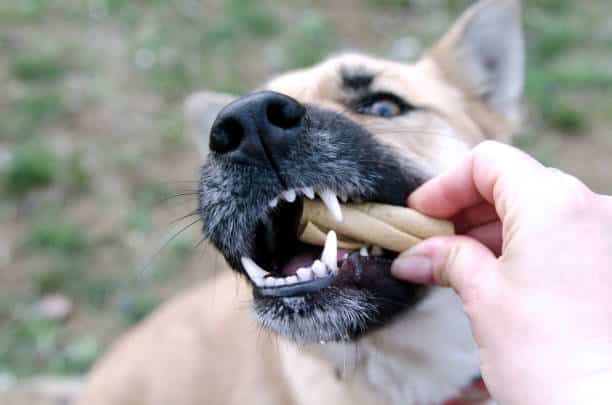
Take a moment to look at your dog’s teeth when they are relaxed. Healthy teeth generally appear relatively clean, while significant yellow, brown, or dark deposits around the gumline can indicate tartar accumulation.

Tartar is hardened plaque and cannot always be removed effectively with ordinary brushing. A veterinarian can determine how much buildup is present and whether professional cleaning is appropriate.

3. Red or Swollen Gums

Healthy gums should generally look firm and pink. Redness, swelling, tenderness, or bleeding around the gumline deserves attention.

Inflamed gums can develop when bacteria and plaque remain around the teeth. If you notice changes in your dog’s gums, schedule a veterinary examination rather than waiting for the problem to become more severe. Professional dental cleaning for dogs may be recommended depending on the condition of the teeth and gums.

4. Difficulty Chewing

Changes in eating habits can provide important clues about oral discomfort. A dog that previously enjoyed crunchy food but suddenly prefers softer food may be experiencing discomfort while chewing.

You might also notice your pet chewing on only one side of the mouth, dropping food, eating more slowly, or avoiding certain treats. These behaviors should not automatically be assumed to be picky eating. Dental pain can sometimes be the reason behind a sudden change.

5. Excessive Drooling

Some dogs naturally drool more than others, so it is important to consider what is normal for your individual pet. However, a sudden increase in drooling may signal irritation or discomfort inside the mouth.

Check for other symptoms, such as bad breath, swollen gums, difficulty eating, or visible changes to the teeth. A veterinarian can help determine whether the drooling is related to a dental issue or another condition.

6. Loose, Broken, or Missing Teeth

Adult dogs should not routinely lose their permanent teeth. A loose, fractured, or missing tooth can indicate dental disease, trauma, or another oral health problem.

Never try to pull out a loose tooth yourself. Instead, have your veterinarian examine your dog’s mouth. Depending on the findings, professional treatment or dental cleaning for dogs may be recommended to address existing buildup and protect remaining teeth.

7. Changes in Behavior

Dogs often hide discomfort, which means behavioral changes can sometimes be easier to notice than obvious signs of dental disease. A normally playful dog may become less interested in toys, avoid having its face touched, or seem unusually irritable.

Other changes may include reduced activity or reluctance to chew favorite toys. While these behaviors can have many causes, oral discomfort should be considered when they appear alongside other dental warning signs.

Why Regular Dental Care Matters

Dental care is not simply about keeping your dog’s teeth looking clean. Plaque contains bacteria that can contribute to gum inflammation and other oral problems when it remains on the teeth.

Routine veterinary examinations allow problems to be identified before they become more complicated. Your veterinarian can assess your dog’s teeth and gums and recommend an appropriate care routine based on age, breed, lifestyle, and existing dental health.

For some dogs, professional dental cleaning for dogs may be part of maintaining good oral hygiene. At home, pet owners can support dental health through veterinarian-recommended brushing, appropriate dental products, and regular observation of the mouth.

How to Support Your Dog’s Dental Health at Home

Professional care works best alongside a consistent home routine. If your veterinarian recommends brushing, introduce it gradually so your dog becomes comfortable with the process.

Use products specifically designed for dogs, and avoid using human toothpaste unless a veterinarian specifically advises otherwise. Regularly checking your dog’s mouth can also help you notice changes early.

Providing veterinarian-approved dental chews or other dental products may also complement a broader oral-care routine. However, these should not be viewed as a replacement for professional evaluation when dental disease is suspected.

When Should You Contact a Veterinarian?

Do not wait for severe symptoms before seeking advice. Persistent bad breath, bleeding gums, difficulty eating, loose teeth, excessive drooling, or noticeable behavioral changes deserve veterinary attention.

Early action can make dental problems easier to manage and help your dog remain comfortable. If you are unsure whether your pet needs dental cleaning for dogs, a veterinary examination is the best way to determine the appropriate next step.

A Healthier Smile Starts With Consistent Care

Your dog cannot tell you when a tooth hurts, so paying attention to subtle changes is essential. Bad breath, tartar, gum inflammation, chewing difficulties, drooling, damaged teeth, and behavioral changes can all provide valuable clues.

Animal Hospital Near

When Should I Take My Pet to an Animal Hospital Near Me?

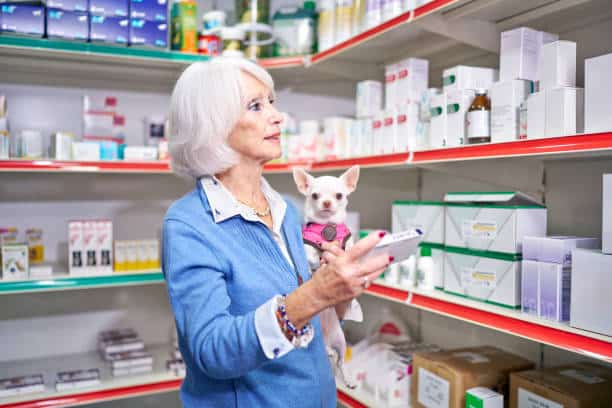
Pets cannot explain when something is wrong, so pet owners need to pay attention to changes in behavior, appetite, energy, and physical condition. While some problems can wait for a routine appointment, others require prompt veterinary attention. Knowing when to search for an animal hospital near me can help you respond appropriately when your pet’s health suddenly changes.

Sudden Changes in Behavior

A noticeable change in your pet’s normal behavior can be an early indication that something is wrong. A normally energetic dog that suddenly becomes withdrawn, or a cat that hides more than usual, may be experiencing discomfort or illness.

Behavioral changes do not always mean an emergency, but they should not be ignored when they are sudden, severe, or accompanied by other symptoms.

Difficulty Breathing

Breathing problems require immediate attention. Rapid breathing, excessive panting without an obvious reason, wheezing, coughing, or visible difficulty getting enough air can indicate a serious health concern.

If your pet is struggling to breathe, do not wait to see whether the condition improves on its own. Contact a veterinary professional immediately and explain the symptoms before traveling.

Severe Vomiting or Diarrhea

Occasional digestive upset can happen to pets, but repeated vomiting or diarrhea may become dangerous, particularly if dehydration develops.

Pet owners should be especially concerned when digestive symptoms are accompanied by weakness, blood, abdominal discomfort, refusal to drink, or significant changes in behavior.

Watch for Dehydration

Dehydration can become serious quickly. If your pet cannot keep water down or appears unusually weak after repeated vomiting or diarrhea, professional assessment may be necessary.

Injuries and Accidents

Pets can be injured in many ways, including falls, vehicle accidents, fights, or accidental ingestion of harmful substances. Some injuries may not be immediately obvious.

Even when your pet appears relatively normal after an accident, internal injuries may still be possible. A veterinary examination can help determine whether further treatment or monitoring is required.

For pet owners trying to find an animal clinic near me, it is useful to know what services are available before an injury occurs. Having a veterinary provider familiar with your pet can make it easier to respond quickly when something unexpected happens.

Difficulty Walking or Standing

Sudden difficulty walking, weakness, limping, or an inability to stand normally deserves attention. These symptoms can result from injuries, pain, neurological problems, or other medical conditions.

A pet that suddenly cannot use one or more limbs should be assessed promptly, especially if the change occurs without an obvious explanation.

Changes in Eating or Drinking

Appetite can naturally fluctuate, but prolonged refusal to eat or drink may signal an underlying issue.

Increased thirst can also be worth discussing with a veterinarian, particularly when it occurs alongside frequent urination, weight changes, lethargy, or changes in appetite.

Why Context Matters

A pet’s age, size, medical history, and usual eating habits can influence how concerning a change may be. This is why observing your pet’s normal routine is so valuable.

Unusual Pain or Distress

Pets often hide pain, which means subtle signs can be important. Whining, restlessness, unusual aggression, reluctance to move, excessive licking of a particular area, or difficulty finding a comfortable position may indicate discomfort.

If pain appears severe or develops suddenly, seeking professional veterinary care is the safest approach.

Eye Problems

Eye issues can worsen quickly. Squinting, redness, swelling, discharge, cloudiness, or repeatedly rubbing an eye should be evaluated rather than ignored.

Because vision is extremely important, prompt veterinary attention can be particularly important when an eye problem appears suddenly or follows an injury.

When a Routine Clinic Visit May Be Enough

Not every health concern requires emergency treatment. Routine veterinary care is appropriate for preventive examinations, vaccinations, parasite prevention, dental assessments, nutritional discussions, and monitoring ongoing health.

Searching for an animal clinic near me can help pet owners locate a convenient provider for these regular healthcare needs. Routine visits also give veterinarians an opportunity to identify potential problems before they become more serious.

Preparing for an Emergency

The best time to prepare for a veterinary emergency is before one happens. Keep your veterinarian’s contact information accessible and know where to go if your regular clinic is closed.

You can also keep a basic pet first-aid kit, medical records, medication information, and emergency contact numbers readily available.

Know Your Pet’s Normal Behavior

Understanding what is normal for your pet makes unusual symptoms easier to recognize. Pay attention to eating patterns, bathroom habits, activity levels, sleeping routines, and general behavior.

Small changes can sometimes provide useful clues about your pet’s health.

When Immediate Care Is Necessary

Some symptoms should never be ignored. Severe breathing difficulty, uncontrolled bleeding, collapse, seizures, suspected poisoning, serious trauma, extreme weakness, or sudden inability to stand can require urgent veterinary attention.

In these situations, contact a veterinary professional as quickly as possible. If you are unsure whether a symptom constitutes an emergency, calling a veterinary provider and describing what you are seeing can help you determine the next step.

Having an animal hospital near me identified ahead of time can make an emergency less stressful because you are not searching for care while your pet is already in distress.

Choosing the Right Veterinary Provider

Location is important, but it should not be the only consideration when choosing veterinary care. Look at the services offered, operating hours, veterinary expertise, cleanliness, communication, and how the practice handles urgent situations.

For routine healthcare, preventive services and ongoing communication can be particularly valuable. For emergencies, accessibility and the ability to provide prompt assessment may be more important.

Keep a Veterinary Plan Ready

Pet health emergencies can happen unexpectedly. Having a plan means knowing your regular veterinarian, understanding where to seek urgent care, and keeping important medical information available.

If your pet develops concerning symptoms, do not rely solely on online information to determine what is wrong. A veterinarian can assess your pet directly and recommend appropriate care.

Final Thoughts

Knowing when your pet needs professional attention is an important part of responsible pet ownership. Sudden behavioral changes, breathing difficulties, serious injuries, persistent vomiting, severe pain, and other concerning symptoms should receive appropriate attention.

At the same time, preventive care remains essential. Regular examinations can help detect potential health problems and keep pets healthier throughout their lives.

When an unexpected problem occurs, knowing where to find an animal hospital near me can help you act quickly. With a little preparation and careful observation, pet owners can be better prepared to recognize warning signs and seek the right level of veterinary care when it matters most.


The Surprising Reasons Felines Need Routine Care by a Professional Cat Vet

Cats are known for their independence, graceful movements, and ability to hide discomfort. Because they often appear healthy and self-sufficient, many owners assume that veterinary visits are only necessary when something seems wrong. However, this belief can lead to missed opportunities for early diagnosis and preventive care.

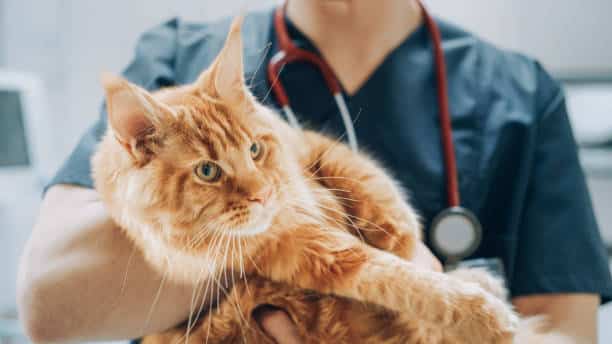
Routine veterinary care plays a vital role in maintaining a cat’s overall health and well-being. A professional cat vet can identify potential issues before they become serious, helping pets live longer and healthier lives.

Cats Are Experts at Hiding Illness

One of the most surprising facts about cats is how effectively they conceal signs of illness. In the wild, showing weakness can make an animal vulnerable, and domestic cats still retain this instinct.

As a result, many health conditions develop gradually without obvious symptoms. By the time noticeable changes occur, the problem may already be advanced. Regular visits to a vet allow professionals to detect subtle warning signs that owners may not recognize at home.

Routine examinations can uncover issues related to weight, dental health, mobility, and internal organ function long before they become severe.

Preventive Care Saves Future Problems

Many people associate veterinary care with treating illness, but prevention is equally important. Routine checkups help ensure that a cat remains healthy throughout different stages of life.

Preventive care may include vaccinations, parasite control, nutritional guidance, and health screenings. These measures help reduce the risk of developing serious conditions later on.

When pet owners search for a vet close by me, they often focus on convenience during emergencies. However, establishing a relationship with a local veterinary professional before problems arise can lead to better long-term care and faster responses when urgent situations occur.

Dental Health Is Often Overlooked

Dental disease is one of the most common health concerns affecting cats. Unfortunately, many owners are unaware of the issue because symptoms are often subtle.

Bad breath, difficulty eating, inflamed gums, and tooth decay can significantly impact a cat’s quality of life. Left untreated, dental problems may even contribute to more serious health complications affecting other parts of the body.

A routine examination allows a veterinary professional to evaluate oral health and recommend appropriate treatments before problems become severe. Regular dental assessments are one reason why ongoing veterinary care is so valuable.

Weight Changes Can Signal Larger Issues

A slight increase or decrease in weight may seem insignificant, but it can sometimes indicate underlying health concerns.

Weight gain can contribute to obesity-related complications, while unexpected weight loss may signal metabolic disorders, digestive problems, or other medical conditions. Because these changes often occur gradually, owners may not immediately notice them.

A professional vet monitors body condition over time, making it easier to identify concerning trends and recommend adjustments to diet or lifestyle when necessary.

Routine Screenings Detect Hidden Conditions

Many diseases develop silently during their early stages. Conditions affecting the kidneys, thyroid, heart, and other organs may not produce obvious symptoms until significant damage has occurred.

Routine screenings provide valuable information about a cat’s internal health. Blood tests, urine analysis, and physical examinations can reveal concerns that would otherwise remain undetected.

For pet owners looking for a reliable vet close by me, choosing a clinic that emphasizes preventive screenings can greatly improve the chances of early diagnosis and successful treatment.

Senior Cats Require Additional Attention

As cats age, their healthcare needs change. Older pets become more susceptible to chronic conditions and age-related health concerns.

Regular veterinary visits help monitor these changes and ensure that aging cats receive appropriate support. Early intervention can often slow disease progression and improve comfort.

Many senior cats continue to live active and fulfilling lives when health issues are identified and managed promptly. Routine care becomes increasingly important as a cat enters its later years.

Behavioral Changes Can Have Medical Causes

Owners sometimes assume that unusual behavior is simply part of a cat’s personality. However, sudden changes in mood, activity levels, appetite, or litter box habits can indicate underlying health problems.

A cat that becomes withdrawn, aggressive, or unusually vocal may be experiencing discomfort or illness. Veterinary professionals are trained to recognize connections between behavioral changes and medical conditions.

This is another reason why regular checkups remain essential even when a cat appears physically healthy.

Building a Health History Matters

Routine veterinary visits create a detailed record of a cat’s health over time. This information helps professionals identify patterns and monitor changes more effectively.

Having an established medical history becomes particularly valuable when unexpected health issues arise. Veterinarians can compare current findings with previous records to make more accurate assessments and treatment decisions.

Reducing Stress During Future Visits

Cats are often sensitive to unfamiliar environments. Waiting until a medical emergency occurs can make veterinary visits more stressful for both pets and owners.

Regular appointments help cats become familiar with the clinic environment, veterinary staff, and handling procedures. This familiarity can reduce anxiety during future visits and make examinations more productive.

A positive relationship with a trusted cat vet can contribute to a smoother healthcare experience throughout a cat’s life.

Conclusion

Cats may appear independent and resilient, but they still require consistent medical attention to stay healthy. Routine veterinary care provides benefits that extend far beyond treating illness. From early disease detection and preventive care to dental health and behavioral assessments, regular checkups play a crucial role in supporting long-term well-being.

A skilled cat vet can identify subtle health concerns that might otherwise go unnoticed, helping owners make informed decisions about their pet’s care.

By prioritizing routine veterinary visits, cat owners can help their companions enjoy healthier, happier, and longer lives.

pet safety in holidays

Pet Safety in Holidays: Winter Holiday Pet Safety Tips

December abounds with holiday celebrations, and nothing can spoil good cheer like an emergency trip to the veterinary clinic. For pet safety in holidays, the American Veterinary Medical Association (AVMA) recommended these tips that can help keep your winter holiday season from becoming not-so-happy – for your pet and for you.

Plan in advance

Make sure you know how to get to your 24/7 emergency veterinary clinic before there’s an emergency. Talk with your veterinarian in advance to find out where you would need to take your pet.

Food

Keep people food away from pets to ensure pet safety during the holidays. If you want to share holiday treats with your pets, make or buy treats formulated just for them. The following people foods are especially hazardous for pets:
Chocolate is an essential part of the holidays for many people, but it is toxic to dogs and cats. Although the toxicity can vary based on the type of chocolate, the size of your pet, and the amount they ate, it’s safer to consider all chocolate off limits for pets.
Other sweets and baked goods also should be kept out of reach. Not only are they often too rich for pets; an artificial sweetener often found in baked goods, candy and chewing gum, xylitol, has been linked to liver failure and death in dogs.
Turkey and turkey skin – sometimes even in small amounts – can cause a life-threatening condition in pets known as pancreatitis.
Table scraps – including gravy and meat fat –also should be kept away from pets. Many foods that are healthy for people are poisonous to pets, including onions, raisins and grapes. During the holidays, when our own diets tend toward extra-rich foods, table scraps can be especially fattening and hard for animals to digest and can cause pancreatitis.
Yeast dough can cause problems for pets, including painful gas and potentially dangerous bloating.

Decorating

Greenery, lights, and Christmas trees can make the holidays festive, but they also pose risky temptations for our pets, highlighting the importance of pet safety during the holidays.
Christmas trees can tip over if pets climb on them or try to play with the lights and ornaments. Consider tying your tree to the ceiling or a doorframe using fishing line to secure it.
Water additives for Christmas trees can be hazardous to your pets. Do not add aspirin, sugar, or anything to the water for your tree if you have pets in the house.
Ornaments can cause hazards for pets. Broken ornaments can cause injuries, and ingested ornaments can cause intestinal blockage or even toxicity. Keep any homemade ornaments, particularly those made from salt-dough or other food-based materials, out of reach of pets.

Safe and Festive: Decorating Around Pets

Tinsel and other holiday decorations also can be tempting for pets to eat. Consuming them can cause intestinal blockages, sometimes requiring surgery. Breakable ornaments or decorations can cause injuries.
Electric lights can cause burns when a curious pet chews the cords.
Flowers and festive plants can result in an emergency veterinary visit if your pet gets hold of them. Amaryllis, mistletoe, balsam, pine, cedar, and holly are among the common holiday plants that can be dangerous and even poisonous to pets who decide to eat them. Poinsettias can be troublesome as well. The ASPCA offers lists of plants that are toxic to dogs and cats.
Candles are attractive to pets as well as people. Never leave a pet alone in an area with a lit candle; it could result in a fire.
Potpourris should be kept out of reach of inquisitive pets. Liquid potpourris pose risks because they contain essential oils and cationic detergents that can severely damage your pet’s mouth, eyes and skin. Solid potpourris could cause problems if eaten.

Hosting parties and visitors

Visitors can upset pets, as can the noise and excitement of holiday parties. Even pets that aren’t normally shy may become nervous in the hubbub that can accompany a holiday gathering. For pet safety during the holidays, the following tips will reduce emotional stress on your pet and protect your guests from possible injury:
All pets should have access to a comfortable, quiet place inside if they want to retreat. Make sure your pet has a room or crate somewhere away from the commotion, where your guests won’t follow. That it can go to anytime it wants to get away.

Holiday Guest Visits: How to Ensure Your Pet’s Safety

Inform your guests ahead of time that you have pets or if other guests may be bringing pets to your house. Guests with allergies or compromised immune systems (due to pregnancy, disease, or medications/ treatments that suppress the immune system) need to be aware of the pets (especially exotic pets) in your home so they can take any needed precautions to protect themselves.
Guests with pets? If guests ask to bring their own pets and you don’t know how the pets will get along, you should either politely decline their request or plan to spend some time acclimating the pets to each other, supervising their interactions, monitoring for signs of a problem, and taking action to avoid injuries to pets or people.

  • Put pets that are nervous around visitors in another room or a crate with a favorite toy. If your pet becomes particularly upset by houseguests, talk to your veterinarian about possible solutions to this common problem.
  • Exotic pets may make some people uncomfortable and may also become more easily stressed by gatherings. Keep exotic pets safely away from the hubbub of the holidays.

Holiday Party Prep: Managing Pets When Guests Are Over

  • Watch the exits. Even if your pets are comfortable around guests, make sure you watch them closely, especially when people are entering or leaving your home. While you’re welcoming hungry guests and collecting coats, a four-legged family member may make a break for it out the door and become lost.
    Identification tags and microchips reunite families. Make sure your pet has proper identification with your current contact information – particularly a microchip with up-to-date, registered information. That way, if they do sneak out, people are more likely to return them to you. If your pet isn’t already microchipped, talk to your veterinarian about the benefits of this simple procedure.
    • Clear the food from your table, counters, and serving areas when you are done using them – and make sure you put the trash where your pet can’t reach it. A turkey or chicken carcass or other large quantities of meat sitting out on the carving table, or left in a trash container that your pet can easily open, could be deadly to your family pet. Dispose of carcasses and bones – and anything used to wrap or tie the meat, such as strings, bags and packaging – in a covered, tightly secured trash bag placed in a closed trash container outdoors (or behind a closed, locked door).
  • You should also clear away trash where pets can’t reach it – especially sparkly ribbon and other packaging or decorative items that could tempt your pet to play with or consume.

When you leave the house, keep pet safety in holidays in mind:

• Unplug decorations while you’re not around. Cats, dogs and other pets are often tempted to chew electrical cords.
• Take out the trash to make sure your pets can’t get to it, especially if it contains any food or food scraps.

Happy Holidays – Book Our Appointment

Reference : AVMA