Mississauga Cold Weather Animal Safety

You’re probably already aware of the risks posed by warm weather and leaving pets in hot cars, but did you know that cold weather also poses serious threats to your pets’ health? For Mississauga Cold Weather Animal Safety the American Veterinary Medical Association (AVMA) recommends the following tips to keep your pets safe during cold weather:

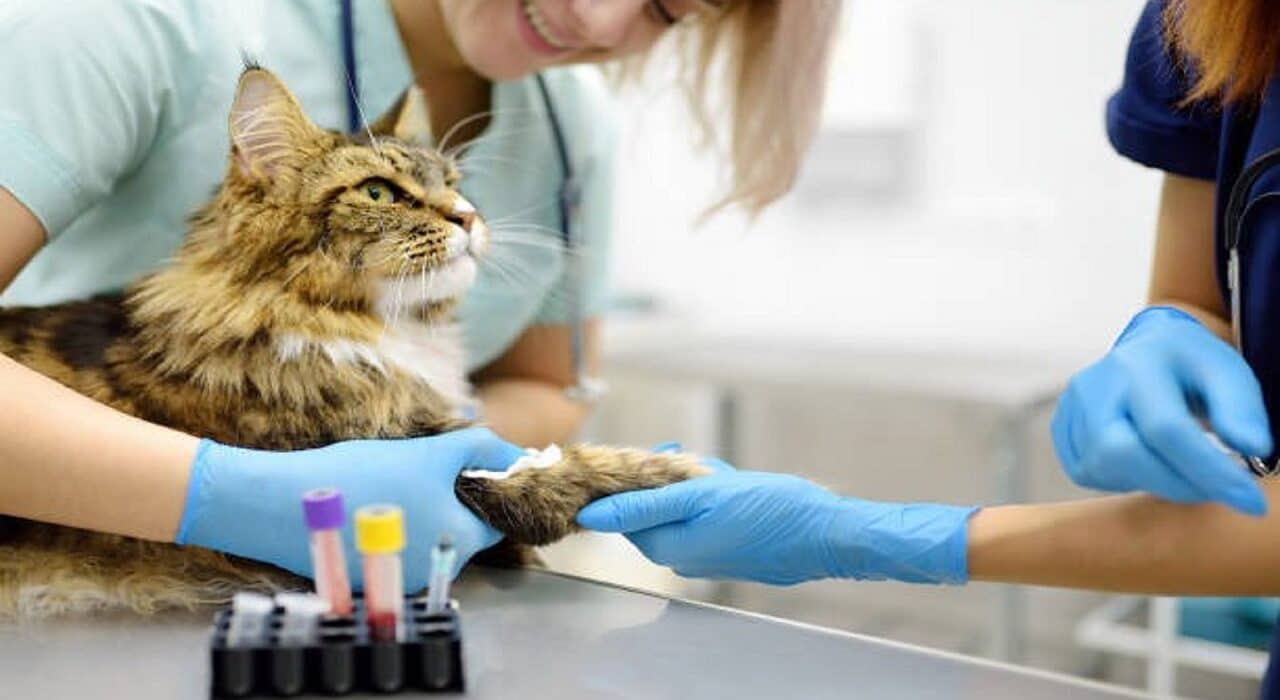
Winter wellness: Has your pet had his/her preventive care exam (wellness exam) yet? Cold weather may worsen some medical conditions such as arthritis. So it’s important to consider Mississauga Cold Weather Pet Safety to protect your pet’s health. Your pet should be examined by a veterinarian at least once a year, and it’s as good a time as any to get him/her checked out to make sure (s)he is ready and as healthy as possible for Mississauga Cold Weather Pet Safety.

Know the limits: Just like people, pets’ cold tolerance can vary from pet to pet based on their coat, body fat stores, activity level, and health. Be aware of your pet’s tolerance for cold weather, and adjust accordingly. You will probably need to shorten your dog’s walks in very cold weather to protect you both from weather-associated health risks. Arthritic and elderly pets may have more difficulty walking on snow and ice and may be more prone to slipping and falling. Long-haired or thick-coated dogs tend to be more cold-tolerant, but are still at risk in cold weather. Short-haired pets feel the cold faster because they have less protection. Short-legged pets may become cold faster because their bellies and bodies are more likely to come into contact with snow-covered ground. Pets with diabetes, heart disease, kidney disease, or hormonal imbalances (such as Cushing’s disease) may have a harder time regulating their body temperature. And may be more susceptible to problems from temperature extremes. The same goes for very young and very old pets. If you need help determining your pet’s temperature limits, consult your veterinarian.

Provide choices: Just like you, pets prefer comfortable sleeping places and may change their location based on their need for more or less warmth. Give them some safe options to allow them to vary their sleeping place to adjust to their needs.
Stay inside. Cats and dogs should be kept inside during cold weather. It’s a common belief that dogs and cats are more resistant than people to cold weather because of their fur, but it’s untrue. Like people, cats and dogs are susceptible to frostbite and hypothermia and should be kept inside for Mississauga Cold Weather Pet Safety. Longer-haired and thick-coated dog breeds, such as huskies and other dogs bred for colder climates, are more tolerant of cold weather; but no pet should be left outside for long periods in below-freezing weather.

Make some noise: A warm vehicle engine can be an appealing heat source for outdoor and feral cats, but it’s deadly. Check underneath your car, bang on the hood, and honk the horn before starting the engine to encourage feline hitchhikers to abandon their roost under the hood.
Check the paws: Check your dog’s paws frequently for signs of cold-weather injury or damage, such as cracked paw pads or bleeding. During a walk, a sudden lameness may be due to an injury or may be due to ice accumulation between his/her toes. You may be able to reduce the chance of iceball accumulation by clipping the hair between your dog’s toes.

Play dress-up: If your dog has a short coat or seems bothered by the cold weather, consider a sweater or dog coat. Have several on hand, so you can use a dry sweater or coat each time your dog goes outside. Wet sweaters or coats can actually make your dog colder. Some pet owners also use booties to protect their dog’s feet. If you choose to use them, make sure they fit properly.

Wipe down: During walks, your dog’s feet, legs and belly may pick up deicers, antifreeze, or other chemicals that could be toxic. When you get back inside, wipe down (or wash) your pet’s feet, legs and belly to remove these chemicals and reduce the risk that your dog will be poisoned after (s)he licks them off of his/her feet or fur. Consider using pet-safe deicers on your property to protect your pets and the others in your neighborhood.

Collar and chip: Many pets become lost in winter because snow and ice can hide recognizable scents that might normally help your pet find his/her way back home. Make sure your pet has a well-fitting collar with up-to-date identification and contact information. A microchip is a more permanent means of identification, but it’s critical that you keep the registration up to date.

Stay home: Hot cars are a known threat to pets, but cold cars also pose significant risk to your pet’s health. You’re already familiar with how a car can rapidly cool down in cold weather. It becomes like a refrigerator, and can rapidly chill your pet. Pets that are young, old, ill, or thin are particularly susceptible to cold environments and should never be left in cold cars. Limit car travel to only that which is necessary, and don’t leave your pet unattended in the vehicle.

Prevent poisoning: Clean up any antifreeze spills quickly, as even small amounts of antifreeze can be deadly. Make sure your pets don’t have access to medication bottles, household chemicals, potentially toxic foods such as onions, xylitol (a sugar substitute) and chocolate.
Protect family: Odds are your pet will be spending more time inside during the winter, so it’s a good time to make sure your house is properly pet-proofed. Use space heaters with caution around pets, because they can burn or they can be knocked over, potentially starting a fire. Check your furnace before the cold weather sets in to make sure it’s working efficiently, and install carbon monoxide detectors to keep your entire family safe from harm. If you have a pet bird, make sure its cage is away from drafts.

Avoid ice: When walking your dog, stay away from frozen ponds, lakes and other water. You don’t know if the ice will support your dog’s weight, and if your dog breaks through the ice it could be deadly. And if this happens and you instinctively try to save your dog, both of your lives could be in jeopardy.

Provide shelter: We don’t recommend keeping any pet outside for long periods of time, but if you are unable to keep your dog inside during cold weather, provide him/her with a warm, solid shelter against wind. Make sure that they have unlimited access to fresh, non-frozen water (by changing the water frequently or using a pet-safe, heated water bowl). The floor of the shelter should be off of the ground (to minimize heat loss into the ground) and the bedding should be thick, dry and changed regularly to provide a warm, dry environment. The door to the shelter should be positioned away from prevailing winds. Space heaters and heat lamps should be avoided because of the risk of burns or fire. Heated pet mats should also be used with caution because they are still capable of causing burns.

Recognize problems: If your pet is whining, shivering, seems anxious, slows down or stops moving, seems weak, or starts looking for warm places to burrow, get them back inside quickly because they are showing signs of hypothermia. Frostbite is harder to detect, and may not be fully recognized until a few days after the damage is done. If you suspect your pet has hypothermia or frostbite, consult your veterinarian immediately.

Be prepared: Cold weather also brings the risks of severe winter weather, blizzards, and power outages. Prepare a disaster/emergency kit, and include your pet in your plans for Mississauga Cold Weather Pet Safety. Have enough food, water, and medicine (including any prescription medications as well as heartworm and flea/tick preventives) on hand to get through at least 5 days.
Feed well: Keep your pet at a healthy weight throughout the winter. Some pet owners feel that a little extra weight gives their pet some extra protection from cold. But the health risks associated with that extra weight don’t make it worth doing. Watch your pet’s body condition and keep them in the healthy range. Outdoor pets will require more calories in the winter to generate enough body heat and energy to keep them warm – talk to your veterinarian about your pet’s nutritional needs during cold weather.

Sources:

American Veterinary Medical Association

https://www.avma.org/

5 Common Myths About Pets

Can you imagine a life without pets? Our pets bring us so much joy and enrichment. Life wouldn’t be quite the same without them. Although pets quickly become cherished members of the family, they aren’t people and don’t always behave or the react the same way your human family members do. Examining these common pet myths can help you better understand your furry friends.

Myth #1 – People and Pets Can’t Share Diseases

Zoonotic diseases are transmitted between people and animals. Rabies is the most well-known zoonotic disease, but it’s not the only one. Others include cat scratch disease, salmonellosis, roundworm, hookworm, ringworm and toxoplasmosis.

You can reduce your risk of contracting a disease from your pet by washing your hands after you pet him or her or handle urine or feces. Do you kiss your pet? Although the habit may help you feel closer to your furry friend, it may sicken you. Your dog or cat’s mouth contains bacteria that can make you ill. Although you’re much more likely to become ill if you have a weak immune system, it’s a good idea to save your kisses for your human family members.

Myth #2 – Pets Know Why You’re Yelling at Them

Pets don’t place the same value on your possessions as you do. When they’re bored, they may tear apart the couch cushion, knock over plants or get into other types of trouble. Behaviors we consider “bad” also tend to occur if pets feel anxious or have separation anxiety. Although your pet may cower if you begin yelling, that doesn’t mean that he or she understands why you’re upset or realizes that it has anything to do with the cushion he or she destroyed hours ago.

Yelling at your pet serves no purpose if you don’t catch your dog or cat in the act. If you do spot your pet about to tip over your favorite plant or dig into the garbage, a sharp “no” is all that’s needed. Although a long, loud lecture may make you feel better, it won’t have any effect on your pet’s future behavior.

If your dog tends to get into trouble while you’re away, confine him or her to one room or to a crate. Keep in mind that crates shouldn’t be used all day long. Keep anything your pet finds too hard to resist out of reach to prevent mishaps.

Myth #3 – Cats Have 9 Lives

While it would be nice if cats really did have nine lives, they can become sick or injured just as easily as any other pet. The belief that cats always land on their feet after falls isn’t true either. Cats have a natural righting reflex that allows them to re-position their bodies in mid-air. Unfortunately, if they fall from fairly low heights they don’t have enough time to right themselves and can experience serious injuries. In 1984, veterinarians at The Animal Medical Center in New York City studied the phenomenon. They discovered that cats that fell from higher distances had the best chances for survival.

Myth #4- There’s No Need to Brush Your Pet’s Teeth

Pet’s aren’t immune from tooth decay. Tooth loss can affect your pet’s ability to chew and may even lead to nutritional deficiencies. If your pet develops a bacterial infection due to severe tooth decay, the infection may even spread to the heart or brain.

Brushing your pets’ teeth with gauze or special brushes that fit over your finger can help reduce tooth decay. It’s usually easier to start brushing when your pet is young, although older pets can adjust to teeth cleaning with plenty of patience. If your pet absolutely won’t cooperate, don’t force the issue. Although teeth cleaning is beneficial, it’s not worth the risk of an injury to yourself or your pet.

Myth #5 – You Only Need to Take Your Pet to the Vet in the Case of Illness

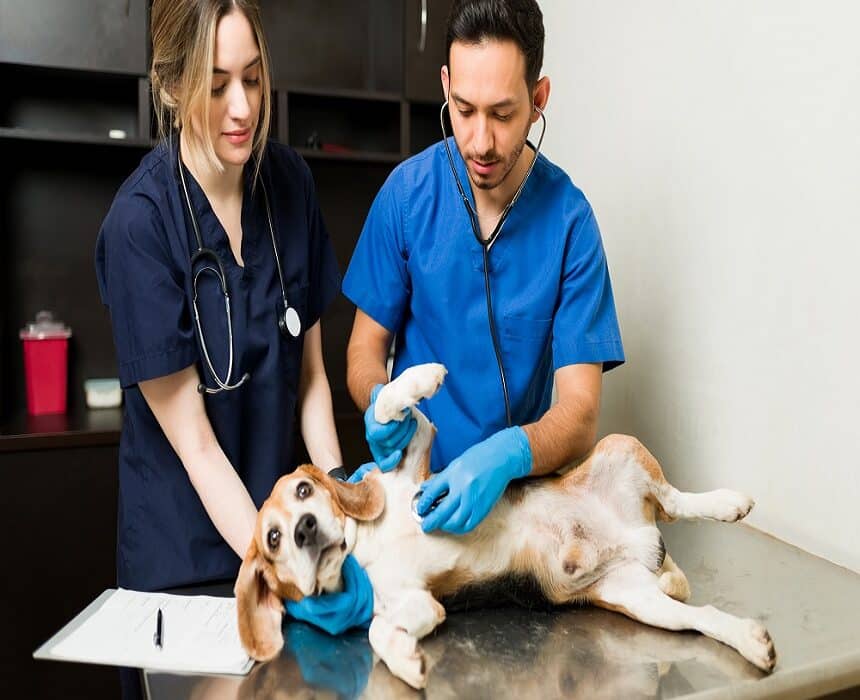
Just like people, pets need regular medical care to stay healthy. In addition to detecting health problems, such as diabetes and kidney failure, regular veterinary visits help ensure that your pet receives vaccinations that prevent common diseases, such as rabies, distemper, bordetella, parvovirus, adenovirus, feline leukemia and canine influenza. Veterinarians can also offer helpful advice on behavioral issues and provide suggestions that will help your overweight pet lose weight.

Protect your pet’s health by scheduling a veterinary examination at least once per year. Call us today to make your pet’s appointment.

Sources

Best Pet Costumes

Finding the Best Halloween Costume for Your Pet

Halloween isn’t just for people anymore. Pets are joining the fun as well with costumes made just for them. Although pet costumes are certainly cute, dressing up might not be the right choice for every pet. Before you go costume shopping, you’ll want to consider these factors.

Your Pet’s Personality

Some pets are perfectly happy to spend hours dressed as the Pope or Minnie Mouse. Others become agitated and upset if you place a hat on their heads for a few minutes. Wearing a costume shouldn’t be an unpleasant experience. If your pet doesn’t seem to like being in costume, don’t insist that he or she participates.

Halloween night is the worst possible time to discover that your cat or dog doesn’t want to be a cute spider or fierce tiger. Try the costume on your pet a few days or a week before Halloween and gauge his or her reaction. In some cases, you may be able to convince your canine or feline friend to dress up by gradually increasing the amount of time your pet wears the costume.

Safety and Comfort

The best costumes are the safest ones. When evaluating costumes, think about:

    • Flammability. Some Halloween costumes can be very flammable. In fact, the costume may go up in flames if your pet even brushes against a candle-lit pumpkin. Most manufacturers of pet costumes don’t address the issue of flammability in their product descriptions. Luckily, the costume label can provide useful information. Costumes made of synthetic fibers are more likely to be flammable than those made of natural fibers. If you buy one of these costumes, keep your pet away from candles and open flames.
    • Potential Choking Hazards. Does the costume contain trim or decorations that can be easily removed with a little chewing? If it does, you may want to choose another costume or remove decorations that could pose a choking hazard to your pet.
    • Comfort and Mobility. Look for costumes made of soft, comfortable materials that allow your pet to move around easily. Avoid masks or hats that interfere with your pet’s vision or cover their mouths and noses. The most comfortable costumes are made of lightweight, breathable fabrics.
    • Flexibility. Can you still use part of the costume if your pet doesn’t like wearing the entire outfit? Your pet might squirm out of the unicorn costume but may happily wear the horn headband.
    • Leash or Harness Compatibility. Searching for your lost pet probably isn’t the way you want to spend Halloween. Even the calmest pet can become anxious and run away when exposed to an array of frightening costumes. Choose a costume that allows your pet to comfortably wear their costume and leash together. Using a harness or leash will help ensure that your pet remains with you the entire evening. Be sure to put an ID tag on your pet’s collar, even if he or she is microchipped.
    • Visibility. Costumes should be made of brightly colored fabrics or contain reflective materials if you and your pet will be out after dark. If the costume is hard to spot in the dark, add a little reflective tape to increase visibility.
    • Your Pet’s Health. Costumes aren’t always comfortable for older pets with arthritis or younger pets with joint issues or other health problems. If your pet has one of these conditions, it may be best to avoid full-body costumes.

Regular veterinary visits are important for your pet’s health. Contact us to schedule your pet’s next visit.

Sources