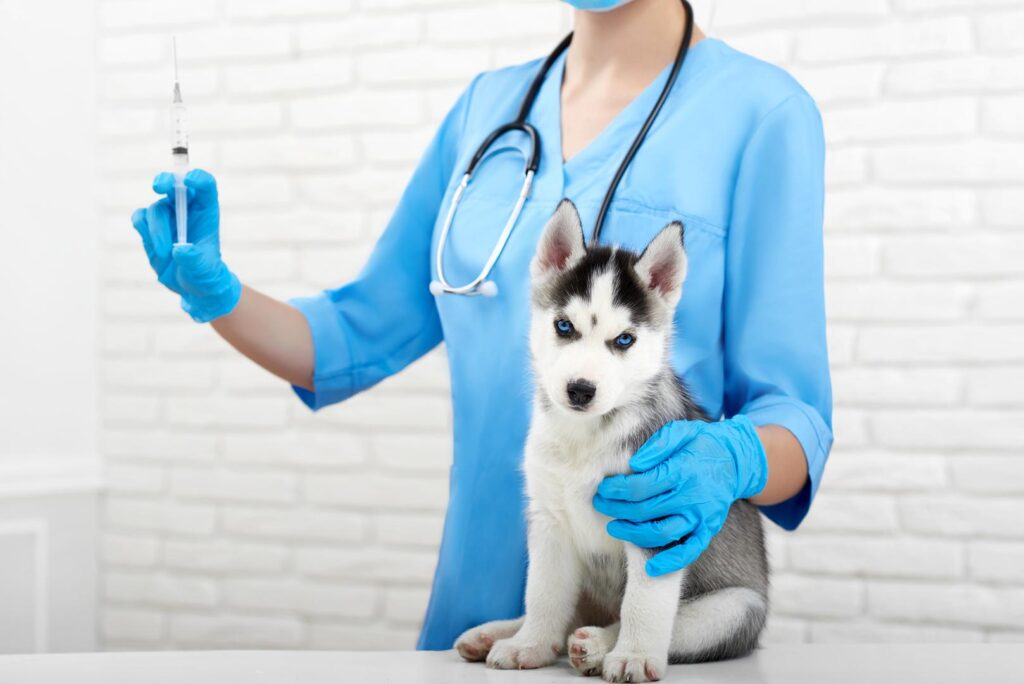
Caring for a pet often involves medications at some point, whether for infections, allergies, chronic illness, or recovery after surgery. While veterinarians diagnose conditions and prescribe treatments, many pet owners are unaware that medication management itself carries risks. Incorrect dosing, improper storage, or misunderstood instructions can affect a pet’s health. This is where a pet pharmacist plays an essential role, helping prevent common medication mistakes and ensuring treatments remain safe and effective.
Understanding the Role
A pet pharmacist specializes in animal medications and understands how drugs interact differently in pets compared to humans. Animals vary widely in size, metabolism, and sensitivity, meaning even small errors can cause complications.
Unlike general pharmacy services, a pet specialized pharmacist reviews prescriptions with an animal-focused approach. They help interpret dosage instructions, recommend proper administration methods, and identify potential risks. Their expertise adds an extra layer of safety, supporting both veterinarians and pet owners throughout the treatment process.
Mistake #1: Giving Human Medication to Pets
One of the most dangerous mistakes pet owners make is assuming human medications are safe for animals. Drugs commonly used by people can be toxic to pets, even in small amounts.
For example:
- Pain relievers safe for humans may damage a pet’s liver or kidneys.
- Certain cold medications can cause severe reactions.
- Supplements formulated for humans may contain harmful ingredients.
A pharmacist for pets helps verify whether medications are appropriate for specific species and ensures substitutes are properly formulated for animal use.
Mistake #2: Incorrect Dosage Calculations
Pets require highly precise dosing because medication amounts depend on weight, species, and medical condition. Even slight miscalculations can lead to under-treatment or overdose.
Common dosing problems include:
- Estimating doses instead of measuring accurately
- Using incorrect syringes or measuring tools
- Confusing milligrams with milliliters
A pet pharmacist reviews dosing instructions carefully and explains them clearly to pet owners. This guidance helps eliminate confusion and reduces the risk of accidental harm.
Mistake #3: Skipping or Stopping Medication Too Early
Many pet owners discontinue medication once symptoms improve. Although this may seem harmless, stopping treatment early can cause infections to return or conditions to worsen.
Antibiotics and long-term treatments must usually be completed as prescribed. These pharmacists educate owners about why consistency matters and explains what improvements should realistically look like during treatment. This support encourages adherence to medication plans and improves recovery outcomes.
Mistake #4: Improper Medication Storage
Storage conditions significantly impact medication effectiveness. Exposure to heat, moisture, or sunlight can weaken certain drugs, making them less effective or unsafe.
In regions with warm climates, improper storage is especially common. Medications left in vehicles, kitchens, or humid bathrooms may degrade quickly. A pet-focused pharmacist provides specific storage recommendations, including refrigeration needs, temperature limits, and safe placement away from pets or children.
Mistake #5: Difficulty Administering Medication
Anyone who has tried giving medicine to a reluctant pet knows how challenging it can be. Struggling during administration often leads to incomplete dosing or missed treatments.
These pharmacists offer practical solutions such as:
- Flavor-compounded medications
- Liquid or chewable alternatives
- Tips for stress-free administration
- Customized formulations for picky pets
These adjustments make treatment easier for both pets and owners while ensuring accurate dosing.
Mistake #6: Overlooking Drug Interactions
Pets with chronic conditions often take multiple medications or supplements simultaneously. Without proper review, drug interactions can reduce effectiveness or cause side effects.
A pet pharmacist evaluates all medications together, including over-the-counter products and nutritional supplements. By identifying conflicts early, they help prevent complications that might otherwise go unnoticed.
Mistake #7: Ignoring Side Effects or Warning Signs
Pet owners sometimes assume mild behavioral changes are normal during treatment. However, symptoms such as vomiting, lethargy, appetite loss, or unusual behavior may indicate medication intolerance.
A pet specialized pharmacist explains potential side effects in advance so owners know what to monitor. They also guide when to contact a veterinarian immediately, helping ensure pets receive timely care if problems arise.
The Value of Communication in Pet Medication Safety
One of the greatest benefits is access to clear communication. Medication instructions can feel overwhelming, especially during stressful health situations.
These pharmacists translate complex medical information into easy-to-follow guidance. They answer questions about timing, dosing schedules, missed doses, and treatment expectations. This collaborative support empowers pet owners to administer medications confidently and responsibly.
Supporting Better Outcomes for Pets
Medication success depends on more than simply filling a prescription. Proper dosing, safe administration, correct storage, and careful monitoring all contribute to a pet’s recovery and long-term health.
By preventing common medication mistakes, a pet pharmacist helps ensure treatments work as intended. Their specialized knowledge reduces risk, improves compliance, and strengthens the partnership between veterinarians and pet owners.
Final Thoughts
Pet medications are powerful tools for healing, but they must be used correctly to protect animal health. Many complications arise not from the medication itself but from misunderstandings in how it is handled or administered.
Working with a knowledgeable pet pharmacist provides reassurance that every aspect of treatment, from dosage to delivery, is carefully managed. With professional guidance and informed care, pet owners can avoid preventable mistakes and give their companions the safest path toward recovery and well-being.