#PetPharmacy

7 Signs You Should Call an Internal Medicine Veterinarian for Your Pet

Pets are excellent at hiding discomfort. In many cases, health problems may not become obvious until symptoms begin to affect their daily behavior. While regular veterinary care is essential for routine checkups and minor concerns, some medical issues require more specialized attention.

This is where an internal medicine veterinarian can help. These veterinary specialists focus on diagnosing and treating complex diseases that affect internal organs such as the liver, kidneys, digestive system, respiratory system, and immune system. When symptoms become persistent or difficult to diagnose, their advanced training and diagnostic tools can make a significant difference.

If you notice certain warning signs in your pet, it may be time to consult an internal medicine specialist. Here are seven signs that your pet may need a reliable vet.

1. Persistent Vomiting or Diarrhea

Occasional stomach upset can happen to pets, especially if they eat something unusual. However, when vomiting or diarrhea continues for several days, it may indicate a deeper medical issue.

Chronic digestive problems can be linked to conditions such as inflammatory bowel disease, infections, or metabolic disorders. An internal medicine veterinarian can run specialized tests and imaging to determine the root cause and recommend appropriate treatment.

2. Unexplained Weight Loss

Sudden or gradual weight loss without a clear reason should always be taken seriously. If your pet is eating normally but still losing weight, it may signal an underlying medical condition.

Issues affecting the digestive system, thyroid function, or internal organs can interfere with how the body absorbs nutrients. An internal medicine vet has the expertise to investigate these possibilities and identify the exact cause.

3. Frequent Coughing or Breathing Problems

Respiratory symptoms such as chronic coughing, wheezing, or difficulty breathing may point to problems within the lungs or heart. While mild respiratory infections can resolve on their own, persistent symptoms often require further evaluation.

Internal medicine specialists use diagnostic tools such as imaging and laboratory tests to assess lung function, detect infections, and rule out more serious conditions affecting the respiratory system.

4. Increased Thirst or Urination

If your pet suddenly begins drinking much more water than usual or urinating frequently, it could be a sign of metabolic or hormonal disorders.

Conditions like diabetes, kidney disease, or hormonal imbalances often show these symptoms early on. Early diagnosis is essential for effective management, and a veterinarian can perform the detailed testing needed to confirm these conditions.

5. Recurring Infections

Some pets experience infections that keep returning even after treatment. These may include urinary tract infections, skin infections, or respiratory infections.

Repeated infections may indicate a deeper issue with the immune system or an underlying disease that has not yet been diagnosed. Internal medicine doctors specialize in identifying the underlying causes of recurring health problems and creating treatment plans that address the root of the issue rather than just the symptoms.

6. Chronic Fatigue or Low Energy

A sudden drop in energy levels can be a warning sign that something is wrong internally. Pets that once enjoyed playing or going for walks may become lethargic or uninterested in activities they previously loved.

This type of fatigue may be related to organ dysfunction, infections, or chronic illnesses. Because these conditions can be difficult to diagnose with basic exams alone, an internal medicine veterinarian can perform more advanced evaluations to determine what may be affecting your pet’s health.

7. When Your Primary Vet Recommends a Specialist

Sometimes, your regular veterinarian may suggest consulting an internal medicine specialist when a condition becomes complicated or difficult to diagnose.

This referral does not mean your pet’s situation is hopeless. In fact, it often allows for more advanced diagnostic tools, specialized knowledge, and additional treatment options that may not be available in a general veterinary practice.

Working together, both veterinarians can create a more comprehensive care plan tailored to your pet’s specific needs.

Why Specialized Veterinary Care Matters

These veterinarians are trained to investigate complex medical conditions that affect a pet’s internal systems. These specialists use advanced diagnostic techniques such as ultrasound, endoscopy, and specialized blood tests to uncover problems that might otherwise remain hidden.

Early diagnosis often leads to better treatment outcomes. By identifying diseases in their earlier stages, veterinarians can develop treatment strategies that improve both the quality and length of a pet’s life.

Paying Attention to Your Pet’s Health

Pet owners know their animals better than anyone else. Subtle changes in behavior, appetite, or activity levels can often be the first clues that something isn’t right.

If symptoms persist or seem unusual, consulting an internal medicine veterinarian can provide valuable insights and support. With specialized care and a thorough diagnostic approach, these professionals play an important role in helping pets recover from complex illnesses and maintain long-term health.

By staying attentive to warning signs and seeking expert care when needed, you can help ensure that your pet receives the best possible treatment and continues to enjoy a happy, healthy life.
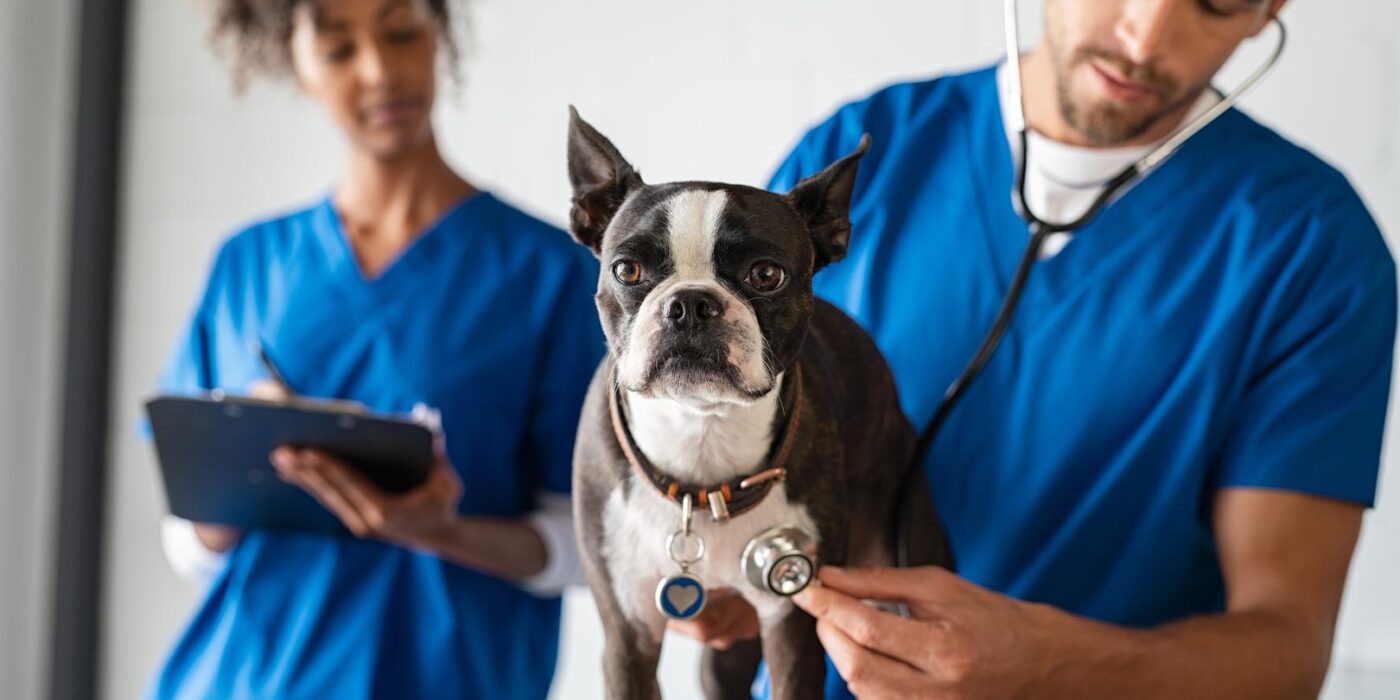
pet pharmacist

Common Medication Mistakes a Pet Pharmacist Helps You Avoid

Caring for a pet often involves medications at some point, whether for infections, allergies, chronic illness, or recovery after surgery. While veterinarians diagnose conditions and prescribe treatments, many pet owners are unaware that medication management itself carries risks. Incorrect dosing, improper storage, or misunderstood instructions can affect a pet’s health. This is where a pet pharmacist plays an essential role, helping prevent common medication mistakes and ensuring treatments remain safe and effective.

Understanding the Role

A pet pharmacist specializes in animal medications and understands how drugs interact differently in pets compared to humans. Animals vary widely in size, metabolism, and sensitivity, meaning even small errors can cause complications.

Unlike general pharmacy services, a pet specialized pharmacist reviews prescriptions with an animal-focused approach. They help interpret dosage instructions, recommend proper administration methods, and identify potential risks. Their expertise adds an extra layer of safety, supporting both veterinarians and pet owners throughout the treatment process.

Mistake #1: Giving Human Medication to Pets

One of the most dangerous mistakes pet owners make is assuming human medications are safe for animals. Drugs commonly used by people can be toxic to pets, even in small amounts.

For example:

  • Pain relievers safe for humans may damage a pet’s liver or kidneys.
  • Certain cold medications can cause severe reactions.
  • Supplements formulated for humans may contain harmful ingredients.

A pharmacist for pets helps verify whether medications are appropriate for specific species and ensures substitutes are properly formulated for animal use.

Mistake #2: Incorrect Dosage Calculations

Pets require highly precise dosing because medication amounts depend on weight, species, and medical condition. Even slight miscalculations can lead to under-treatment or overdose.

Common dosing problems include:

  • Estimating doses instead of measuring accurately
  • Using incorrect syringes or measuring tools
  • Confusing milligrams with milliliters

A pet pharmacist reviews dosing instructions carefully and explains them clearly to pet owners. This guidance helps eliminate confusion and reduces the risk of accidental harm.

Mistake #3: Skipping or Stopping Medication Too Early

Many pet owners discontinue medication once symptoms improve. Although this may seem harmless, stopping treatment early can cause infections to return or conditions to worsen.

Antibiotics and long-term treatments must usually be completed as prescribed. These pharmacists educate owners about why consistency matters and explains what improvements should realistically look like during treatment. This support encourages adherence to medication plans and improves recovery outcomes.

Mistake #4: Improper Medication Storage

Storage conditions significantly impact medication effectiveness. Exposure to heat, moisture, or sunlight can weaken certain drugs, making them less effective or unsafe.

In regions with warm climates, improper storage is especially common. Medications left in vehicles, kitchens, or humid bathrooms may degrade quickly. A pet-focused pharmacist provides specific storage recommendations, including refrigeration needs, temperature limits, and safe placement away from pets or children.

Mistake #5: Difficulty Administering Medication

Anyone who has tried giving medicine to a reluctant pet knows how challenging it can be. Struggling during administration often leads to incomplete dosing or missed treatments.

These pharmacists offer practical solutions such as:

  • Flavor-compounded medications
  • Liquid or chewable alternatives
  • Tips for stress-free administration
  • Customized formulations for picky pets

These adjustments make treatment easier for both pets and owners while ensuring accurate dosing.

Mistake #6: Overlooking Drug Interactions

Pets with chronic conditions often take multiple medications or supplements simultaneously. Without proper review, drug interactions can reduce effectiveness or cause side effects.

A pet pharmacist evaluates all medications together, including over-the-counter products and nutritional supplements. By identifying conflicts early, they help prevent complications that might otherwise go unnoticed.

Mistake #7: Ignoring Side Effects or Warning Signs

Pet owners sometimes assume mild behavioral changes are normal during treatment. However, symptoms such as vomiting, lethargy, appetite loss, or unusual behavior may indicate medication intolerance.

A pet specialized pharmacist explains potential side effects in advance so owners know what to monitor. They also guide when to contact a veterinarian immediately, helping ensure pets receive timely care if problems arise.

The Value of Communication in Pet Medication Safety

One of the greatest benefits is access to clear communication. Medication instructions can feel overwhelming, especially during stressful health situations.

These pharmacists translate complex medical information into easy-to-follow guidance. They answer questions about timing, dosing schedules, missed doses, and treatment expectations. This collaborative support empowers pet owners to administer medications confidently and responsibly.

Supporting Better Outcomes for Pets

Medication success depends on more than simply filling a prescription. Proper dosing, safe administration, correct storage, and careful monitoring all contribute to a pet’s recovery and long-term health.

By preventing common medication mistakes, a pet pharmacist helps ensure treatments work as intended. Their specialized knowledge reduces risk, improves compliance, and strengthens the partnership between veterinarians and pet owners.

Final Thoughts

Pet medications are powerful tools for healing, but they must be used correctly to protect animal health. Many complications arise not from the medication itself but from misunderstandings in how it is handled or administered.

Working with a knowledgeable pet pharmacist provides reassurance that every aspect of treatment, from dosage to delivery, is carefully managed. With professional guidance and informed care, pet owners can avoid preventable mistakes and give their companions the safest path toward recovery and well-being.