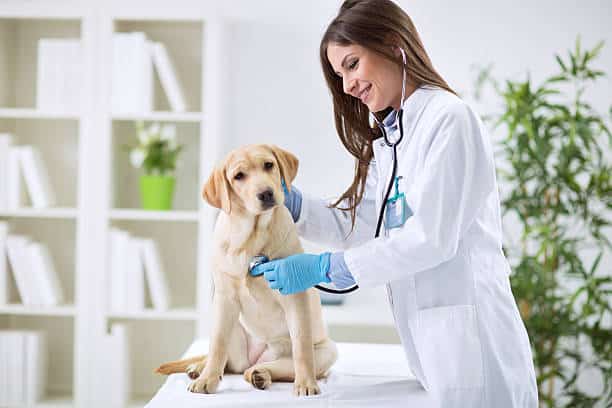
microchipping in mississauga

Can Microchipping in Mississauga Really Help Find Lost Pets?

Losing a pet is one of the most distressing experiences any pet owner can face. Whether it’s a curious cat slipping out the door or a dog getting startled and running off, the fear of not knowing where your pet is can be overwhelming. In a busy and growing city, the chances of a lost pet finding its way home without help can be slim. This is where microchipping becomes not just helpful, but essential.

Understanding How Microchipping Works

Microchipping is a simple and safe procedure that involves placing a tiny chip under your pet’s skin, usually between the shoulder blades. This chip contains a unique identification number that can be read using a scanner. When a lost pet is found and taken to a clinic or pet hospital in Mississauga, staff can scan the chip and access the owner’s contact details through a secure database.

Unlike collars and tags, which can fall off or become damaged, a microchip stays with your pet for life. This makes it one of the most reliable ways to ensure identification.

Actual Value of Microchipping

Many pet owners assume their animals will never get lost, especially if they are indoor pets. However, accidents happen. Doors are left open, fences break, and unexpected situations can cause even the most well-behaved pets to wander off. Microchipping in Mississauga significantly increases the chances of being reunited with your pet. Shelters and veterinary clinics routinely check for microchips when a stray animal is brought in. Without one, it becomes much harder to identify ownership, which can delay or even prevent a reunion.

The Role of Veterinary Clinics and Hospitals

A reliable pet hospital plays a crucial role in the microchipping process. Not only do these facilities perform the procedure, but they also ensure that your pet’s information is correctly registered in the database.

Additionally, if a lost pet is brought in, veterinary professionals are often the first to scan for a chip. Their quick action can mean the difference between a pet being returned home within hours or remaining unidentified for days.

Choosing the best vet Mississauga has to offer ensures that the procedure is done correctly and that you receive proper guidance on maintaining your pet’s registration details.

Is Microchipping Safe for Pets?

One of the most common concerns pet owners have is whether microchipping is safe. The answer is yes. If you choose the best vet Mississauga, the procedure is quick, similar to a routine injection, and does not require anesthesia. Most pets experience little to no discomfort, and the chip itself is designed to remain inactive unless scanned.

There are no batteries or moving parts, which means the chip does not wear out or need replacement. Once implanted, it lasts for your pet’s lifetime.

Microchipping vs. Traditional Identification

While collars and tags are still important, they are not foolproof. Pets can easily lose them while playing or exploring. Microchipping adds a permanent layer of security that cannot be removed or lost.

In many cases, shelters rely on microchips to identify pets when no visible tags are present. This is why combining both methods, tags for immediate identification and microchips for permanent backup, is considered the best approach.

Keeping Your Information Updated

A microchip is only as effective as the information linked to it. After microchipping, it is essential to keep your contact details up to date. If you move, change your phone number, or transfer ownership, updating the database ensures that your pet can always be traced back to you.

Veterinary clinics often remind pet owners to review their details regularly, but it ultimately remains the owner’s responsibility.

Emotional and Practical Benefits

Beyond the technical aspects, microchipping offers peace of mind. Knowing that your pet has a permanent form of identification reduces anxiety and allows you to act quickly if they ever go missing.

From a practical standpoint, it also reduces the burden on shelters and rescue organizations. Identified pets can be returned home faster, freeing up resources for other animals in need.

Making the Right Choice for Your Pet

If you haven’t yet considered microchipping, now is the time to act. Consulting the best vet can help you understand the process and schedule the procedure at your convenience.

A trusted pet hospital in Mississauga will not only perform the microchipping but also guide you through registration and answer any questions you may have. Their expertise ensures that everything is done correctly, giving you confidence in your decision.

Final Thoughts

So, can microchipping really help find lost pets? The answer is a resounding yes. It is a simple, safe, and highly effective way to protect your pet and increase the chances of a quick reunion if they ever go missing.

In a world where uncertainties are unavoidable, taking this small step can make a significant difference. By combining microchipping with regular veterinary care and responsible pet ownership, you create a strong safety net for your furry companion, one that ensures they always have a way back home.

Cat Hospital of Mississauga

What Makes a Feline Animal Hospital Truly Cat-Friendly? Most Owners Miss This

Cats are not just small dogs, they are entirely different creatures with unique behaviors, sensitivities, and medical needs. Yet many pet owners still take their cats to general veterinary clinics without realizing how much environment and approach matter. This is where a feline animal hospital stands apart.

If you’ve ever struggled to get your cat into a carrier, dealt with post-vet stress, or noticed your pet acting differently after a visit, you’re not alone. The truth is, most clinics aren’t designed with cats in mind. And that’s exactly why places like the cat hospital Mississauga are gaining attention among informed pet owners.

So what actually makes a feline hospital truly cat-friendly? Let’s break it down.

Cats Experience Stress Differently

One of the most overlooked facts is that cats are highly sensitive to their surroundings. Loud noises, unfamiliar smells, and the presence of dogs can trigger anxiety quickly.

In a standard clinic, barking dogs, crowded waiting rooms, and rushed appointments can overwhelm a cat before the exam even begins. A feline animal hospital eliminates these stressors by creating a quieter, controlled environment designed specifically for cats.

At the cat hospital Mississauga, for example, the entire setup revolves around minimizing stress, from separate waiting areas to gentle handling techniques. These small changes make a big difference in how your cat experiences care.

A Cat-Friendly Environment Isn’t Just About Silence

Many people assume a “quiet clinic” is enough. But true cat-friendly design goes much deeper.

A proper feline hospital considers:

  • Elevated surfaces where cats feel safer
  • Soft lighting instead of harsh fluorescent lights
  • Minimal strong smells (especially disinfectants or other animals)
  • Calm, unhurried handling by trained staff

Cats feel most secure when they have a sense of control. Clinics like the cat hospital Mississauga focus on giving cats that comfort, even during examinations.

Specialized Knowledge Matters More Than You Think

Cats are experts at hiding illness. By the time symptoms become obvious, the condition may already be advanced.

This is where a cat hospital truly shines. Veterinarians who work exclusively with cats are trained to notice subtle behavioral and physical changes that general practitioners might miss.

At the cat hospital Mississauga, this specialized focus allows for:

  • Earlier detection of health issues
  • More accurate diagnoses
  • Tailored treatment plans specifically for feline biology

This level of expertise can significantly improve long-term outcomes for your pet.

Handling Techniques Make a Huge Difference

If your cat has ever come home from the vet agitated or aggressive, handling is often the reason.

Cats respond best to gentle, minimal restraint. A feline hospital uses low-stress handling techniques that prioritize comfort over force.

Instead of holding a cat down, trained professionals:

  • Allow the cat to move naturally
  • Use towels or soft wraps for comfort
  • Take breaks if the cat becomes overwhelmed

The result? A calmer visit and a much better experience for both the cat and the owner.

Shorter, More Focused Appointments

Another key feature of a cat-friendly clinic is time management. Rushed appointments can increase stress and lead to missed details.

The cat hospital Mississauga emphasizes:

  • Longer consultation times
  • Focused one-on-one attention
  • Clear communication with pet owners

This ensures your concerns are addressed fully while keeping your cat as relaxed as possible.

Preventive Care Is a Bigger Priority

A feline clinic doesn’t just treat illness, it focuses heavily on prevention.

Because cats often hide symptoms, routine checkups are essential. Specialized clinics encourage proactive care, including:

  • Regular health screenings
  • Nutritional guidance
  • Behavioral assessments

The cat hospital Mississauga takes this a step further by educating owners on early warning signs, helping prevent serious conditions before they develop.

Why This Choice Matters More Than You Think

Choosing the right clinic isn’t just about convenience, it directly impacts your cat’s health and well-being.

A stressful vet experience can lead to:

  • Avoidance of future visits
  • Increased anxiety and behavioral issues
  • Delayed medical care

On the other hand, a positive experience at a cat-specialized hospital builds trust and makes routine care easier over time.

That’s why more pet owners are turning to the cat hospital Mississauga when they want a setting that truly understands feline needs.

The Detail Most Owners Miss

Here’s the part many people overlook: cats remember negative experiences.

One bad visit can make future trips significantly harder. This is why choosing a cat-friendly clinic from the beginning is so important.

A feline animal hospital doesn’t just treat your cat, it shapes how your cat feels about care for the rest of its life.

Final Thoughts

At first glance, all veterinary clinics may seem similar. But when you look closer, the difference between a general practice and a feline hospital becomes clear. From environment and handling to expertise and preventive care, every detail is designed with one goal: keeping cats calm, healthy, and stress-free. If you want better outcomes and a smoother experience for your pet, choosing a specialized clinic like the cat hospital Mississauga isn’t just a preference, it’s a smarter decision.

Because when it comes to cats, the little details aren’t so little after all.

Best Dog Costumes

From Superheroes to Food Themes: Best Dog Costumes Ranked

Dressing up pets has gone from a niche trend to a full-blown cultural phenomenon. From social media feeds to neighborhood events, pet costumes are everywhere and they’re more creative than ever. Whether you’re preparing for Halloween, a themed party, or just a fun photo session, choosing the best dog costumes can turn your furry friend into the star of the show.

But with so many options available, how do you pick the right one? This guide breaks down the most popular styles of pet costumes, from heroic looks to hilarious food-inspired outfits, while helping you choose something that’s both stylish and comfortable.

Superhero Costumes: Classic Crowd Favorites

Superhero-themed outfits consistently rank among the best dog costumes, and it’s easy to see why. They’re recognizable, fun, and perfect for showcasing your dog’s personality.

Whether your pup is bold and energetic or calm and watchful, there’s a superhero vibe to match. Capes, masks, and iconic colors can transform even the smallest dog into a larger-than-life character.

Why they work:

  • Instantly recognizable
  • Great for photos and events
  • Available in many sizes and styles

Superhero pet costumes are especially popular for group themes, imagine matching your dog’s outfit with your own for a coordinated look.

Food-Themed Costumes: Funny and Irresistible

If you’re aiming for laughs, food-themed costumes for animals are a top choice. From hot dogs and tacos to cupcakes and pizzas, these outfits are designed to bring smiles.

These costumes are often lightweight and easy to wear, making them a great option for dogs who aren’t used to dressing up.

Why they stand out:

  • Humor-driven appeal
  • Perfect for social media moments
  • Wide variety of creative designs

Food-themed pet costumes prove that sometimes the simplest ideas are the most memorable.

Royal & Fancy Costumes: Elegant and Eye-Catching

For pet owners who prefer a more refined look, royal costumes offer a touch of elegance. Think crowns, capes, tuxedos, and dresses that make your dog look like royalty.

These are among the best pet costumes for formal events or themed gatherings where style matters just as much as fun.

Best for:

  • Special occasions
  • Photo shoots
  • Pets with calm temperaments

While these costumes look stunning, it’s important to ensure they’re not too restrictive.

Animal-Inspired Costumes: Double the Cute

Costumes that turn your dog into another animal, like a lion, dinosaur, or even a bumblebee, are always a hit. These costumes for animals play on the irony of dressing one animal as another, creating a fun and adorable effect.

Why people love them:

  • Unique and playful
  • Great for all sizes of dogs
  • Often designed for comfort

These pet costumes are especially popular for first-time dress-ups because they’re usually simple and non-intrusive.

Pop Culture & Character Costumes

Pop culture-inspired outfits are perfect for pet owners who love trends. From movie characters to viral internet themes, these costumes keep your dog’s look fresh and relevant.

They’re often among the best costumes for those who want to stand out at events or online.

Pro tip:
 Choose a character that matches your dog’s personality, it makes the costume feel more natural and fun.

Comfort Comes First: Choosing the Right Costume

No matter how creative or trendy a costume is, your dog’s comfort should always come first. The best pet costumes are the ones your dog can wear without stress or discomfort.

Here’s what to look for:

  • Soft, breathable materials
  • Proper fit, not too tight or loose
  • Easy-to-wear designs (Velcro or slip-on styles)
  • No small parts that could be chewed off

If your dog seems uneasy, it’s better to switch to a simpler option. A happy pet always looks better than a perfectly styled one.

Making the Most of Your Pet’s Costume

Once you’ve chosen from the best costumes for animals, it’s time to show it off! Whether you’re attending an event or sharing photos online, a little planning can make a big difference.

Tips for great results:

  • Take photos in natural light
  • Use treats to keep your dog engaged
  • Keep sessions short and fun
  • Let your dog move naturally

Remember, the goal is to create a positive experience, not just a perfect picture.

The Growing Popularity of Pet Costumes

The demand for pet costumes continues to grow, and it’s not just about holidays anymore. More people are embracing costumes for animals as a way to bond with their pets and express creativity.

From everyday fun to special celebrations, dressing up pets has become a shared experience that brings joy to both owners and their furry companions.

Final Thoughts

From superheroes to food themes, the world of pet costumes offers endless possibilities. The best dog costumes combine creativity, comfort, and personality, allowing your pet to shine in their own unique way.

Whether you’re going for laughs, style, or pure cuteness, the right costume can turn any moment into something memorable. Just remember, your dog’s happiness comes first, and everything else follows.

So go ahead, explore the fun, and let your pet step into the spotlight with confidence and charm.

The Truth About Finding the Best Affordable Veterinarian Near You

Finding the right veterinarian for your pet can feel overwhelming, especially when you’re trying to balance quality care with affordability. Many pet owners worry that choosing a lower-cost option might mean compromising on their pet’s health. But the truth is, with the right approach, you can find the best affordable veterinarian without sacrificing the level of care your pet deserves.

Whether you’re looking for routine checkups or urgent medical attention, understanding what truly matters in veterinary care can make all the difference.

Why Affordable Doesn’t Mean Low Quality

One of the biggest misconceptions pet owners have is that lower cost equals lower quality. In reality, many clinics focus on providing accessible services without inflating prices.

Affordable veterinary clinics often streamline operations, prioritize essential treatments, and build long-term relationships with clients. This allows them to maintain high standards while keeping costs manageable. When searching for the best affordable veterinarian, it’s important to look beyond pricing and focus on experience, communication, and transparency.

What to Look for in a Great Veterinarian

Not all veterinary clinics are the same, so knowing what to look for can help you make a confident choice. A good veterinarian should offer clear communication, compassionate care, and a willingness to explain treatment options. Look for clinics that take time to answer your questions and provide honest recommendations. Trust is a key factor, your veterinarian should make you feel comfortable and informed about your pet’s health.

In areas like Mississauga, many clinics offer a wide range of services, making it easier to find one that fits both your budget and your expectations.

The Importance of Preventive Care

One of the best ways to manage costs is through preventive care. Regular checkups, vaccinations, and early screenings can help detect issues before they become serious, and expensive.

Preventive care not only saves money in the long run but also ensures your pet lives a healthier, happier life. Many providers of Mississauga emphasize prevention as a core part of their services, helping pet owners avoid unnecessary stress and costs.

Understanding Emergency Veterinary Services

Emergencies are unpredictable, and when they happen, having access to immediate care is critical. Whether it’s an injury, sudden illness, or unusual behavior, knowing where to go can save valuable time. An emergency vet Mississauga clinic is equipped to handle urgent situations, often operating outside regular business hours. While emergency services can be more expensive, they are essential for serious conditions that require immediate attention.

Being prepared, by knowing the nearest emergency clinic and understanding their services, can make a stressful situation more manageable.

Balancing Cost and Care

Finding the right balance between affordability and quality is key. Instead of choosing the cheapest option available, focus on value. This means considering what you’re getting for the price, expertise, facilities, and overall care experience.

The affordable veterinarian will offer fair pricing while maintaining high standards. They will also be transparent about costs, helping you understand what to expect and avoid surprises.

Questions to Ask Before Choosing a Vet

Before committing to a clinic, it’s helpful to ask a few important questions:

  • What services are included in routine visits?
  • How are emergencies handled?
  • Are payment plans or flexible options available?
  • How does the clinic communicate treatment plans and costs?

These questions can give you a clearer picture of what to expect and help you find a clinic that aligns with your needs.

Building a Long-Term Relationship

Choosing a veterinarian is not just a one-time decision, it’s the beginning of a long-term relationship. A trusted vet becomes familiar with your pet’s history, behavior, and health needs over time.

This continuity of care leads to better outcomes and a more personalized experience. Clinics offering veterinary care often focus on building these relationships, ensuring that both pets and owners feel supported.

Online Reviews and Recommendations Matter

In today’s digital world, reviews and recommendations can provide valuable insights. Reading about other pet owners’ experiences can help you identify reliable clinics and avoid potential issues.

Look for consistent feedback about professionalism, cleanliness, and quality of care. While no clinic is perfect, a strong overall reputation is a good indicator of reliability.

When to Prioritize Immediate Care

While routine visits are important, there are times when immediate attention is necessary. Symptoms like difficulty breathing, severe pain, or sudden behavioral changes should never be ignored.

In such cases, visiting an emergency vet facility is the best course of action. Acting quickly can prevent complications and ensure your pet receives the care they need.

Final Thoughts

Finding the right veterinarian doesn’t have to be a stressful or expensive process. By focusing on quality, communication, and preventive care, you can identify the best affordable veterinarian for your pet. From routine checkups to urgent situations handled by an emergency vet, having a trusted clinic gives you peace of mind. And with the wide range of options available for veterinary care in Mississauga, pet owners have more opportunities than ever to access reliable and compassionate services.

At the end of the day, the goal is simple: ensuring your pet stays healthy, happy, and well cared for, without unnecessary financial strain.

vet in mississauga

Pet Parenting 101: Advice from a Vet in Mississauga

Bringing a pet into your life is one of the most rewarding decisions you can make. Whether it’s a playful puppy, a curious kitten, or a calm senior companion, pets quickly become family. But along with the joy comes responsibility. Pet parenting goes far beyond feeding and cuddling, it’s about ensuring your furry friend lives a long, healthy, and happy life. That’s where guidance from a vet in Mississauga becomes invaluable.

Understanding Your Pet’s Basic Needs

Every pet has fundamental needs: proper nutrition, regular exercise, mental stimulation, and routine healthcare. While these may sound simple, many pet owners unknowingly overlook small details that can make a big difference.

  • A balanced diet tailored to your pet’s age, breed, and health condition is essential. Overfeeding or feeding the wrong type of food can lead to obesity and other health issues. Consulting a vet ensures your pet receives the right nutritional plan from the start.
  • Exercise is equally important. Dogs require daily walks and playtime, while cats benefit from interactive toys and climbing spaces. Keeping your pet active helps maintain a healthy weight and prevents behavioral problems.

The Importance of Preventive Care

Preventive care is one of the most overlooked aspects of pet parenting. Regular checkups help detect potential health issues before they become serious. Vaccinations, parasite control, and dental care are all part of a proactive approach to your pet’s well-being.

Visiting a vet for routine examinations allows early detection of conditions like infections, dental disease, or even chronic illnesses. Prevention not only saves money in the long run but also spares your pet unnecessary discomfort.

Building a Strong Emotional Bond

Pets thrive on love, attention, and consistency. Building a strong emotional bond with your pet helps them feel secure and reduces anxiety. Simple acts like spending quality time, maintaining routines, and using positive reinforcement during training go a long way.

The vet in Mississauga often emphasizes the importance of mental health in pets. Stress and boredom can lead to destructive behaviors, excessive barking, or withdrawal. Providing enrichment activities, such as puzzle toys or training sessions, keeps your pet mentally engaged.

Recognizing Signs of Illness

One of the biggest challenges in pet parenting is recognizing when something is wrong. Unlike humans, pets cannot verbally express discomfort. Subtle changes in behavior often serve as early warning signs.

Look out for symptoms such as loss of appetite, lethargy, changes in weight, unusual aggression, or excessive grooming. Even minor shifts in routine can indicate underlying issues. When in doubt, consulting a vet can provide clarity and timely intervention.

Grooming and Hygiene Matter

Grooming is not just about appearance, it’s a crucial part of maintaining your pet’s health. Regular brushing helps prevent matting and reduces shedding. Bathing keeps the skin clean, while nail trimming prevents discomfort and mobility issues.

Dental hygiene is another critical factor. Poor oral health can lead to infections and even affect vital organs. Many pet owners underestimate the importance of dental care until problems arise. Regular cleanings and checkups with an expert can help avoid serious complications.

Training and Socialization

Proper training is essential for a well-behaved pet. It not only makes daily life easier but also ensures your pet’s safety. Basic commands like “sit,” “stay,” and “come” can prevent dangerous situations. Socialization is equally important, especially during the early stages of a pet’s life. Exposing your pet to different environments, people, and other animals helps them become confident and well-adjusted.

A vet may also guide you on behavioral concerns, helping you address issues like separation anxiety or aggression effectively.

Preparing for Emergencies

No pet owner likes to think about emergencies, but being prepared can make all the difference. Keep a pet first-aid kit at home and know the contact details of your nearest veterinary clinic.

Understanding basic first aid, such as handling minor injuries or recognizing signs of poisoning, can save valuable time. In urgent situations, immediate consultation with a vet in Mississauga can be life-saving.

The Lifelong Commitment

Pet parenting is a long-term commitment that evolves as your pet grows. Puppies and kittens require training and vaccinations, while adult pets need consistent care and monitoring. Senior pets often require specialized attention, including dietary adjustments and more frequent health checkups.

Being a responsible pet parent means adapting to these changing needs and staying informed. With the right guidance and support, you can ensure your pet enjoys every stage of life to the fullest.

Veterinarians in Mississauga

Veterinarians in Mississauga: What to Expect During Your First Visit

Visiting a veterinarian for the first time can feel a little overwhelming, especially if you’re a new pet owner. Whether you’ve just adopted a playful puppy or a curious kitten, knowing what to expect can make the experience smoother for both you and your furry companion. If you’re searching for reliable veterinarians in Mississauga, understanding how that first visit typically unfolds will help you feel more prepared and confident.

Preparing for Your First Appointment

Before stepping into a clinic, a bit of preparation can go a long way. Most veterinarians recommend bringing any previous medical records if your pet has them. This includes vaccination history, past treatments, and details about diet or medications.

It’s also helpful to note any changes in your pet’s behavior, appetite, or energy levels. Even small observations can provide valuable insight to the veterinarian. For first-time visits, especially with young pets, carrying them in a secure carrier or on a leash ensures safety and comfort.

The Warm Welcome and Initial Check-In

When you arrive, you’ll typically be greeted by the clinic staff who will guide you through the check-in process. Many veterinarians prioritize creating a calm and welcoming environment to reduce stress for pets and their owners.

You may be asked to fill out a form detailing your pet’s basic information, lifestyle, and any immediate concerns. This helps the veterinary team tailor their approach to your pet’s specific needs.

The Physical Examination

The core of your first visit is the physical examination. This is where veterinarians carefully assess your pet’s overall health. The vet will usually check:

  • Weight and body condition
  • Eyes, ears, and teeth
  • Skin and coat quality
  • Heart rate and breathing
  • Joint movement and mobility

This thorough examination helps establish a baseline for your pet’s health. Even if your pet appears perfectly healthy, this step is essential for early detection of potential issues.

Vaccinations and Preventive Care

One of the main reasons for an initial visit is to ensure your pet is up to date on vaccinations. Veterinarians in Mississauga follow vaccination schedules based on your pet’s age, species, and lifestyle.

For puppies and kittens, this often means starting or continuing a vaccination series. Adult pets may receive booster shots. Preventive care discussions may also include flea and tick control, deworming, and heartworm prevention, especially important for maintaining long-term health.

Nutrition and Lifestyle Guidance

Your first visit is also a great opportunity to discuss your pet’s diet and daily routine. Many veterinarians offer personalized advice based on your pet’s breed, age, and activity level.

You might receive recommendations on portion sizes, types of food, and feeding schedules. If your pet has specific needs, such as weight management or allergies, the veterinarian can suggest tailored solutions to support their well-being.

Addressing Questions and Concerns

Don’t hesitate to ask questions during your visit. Whether you’re curious about grooming, training, or unusual behaviors, veterinarians are there to guide you.

Common topics pet owners often discuss include:

  • How often to schedule check-ups
  • Signs of common illnesses
  • Dental care routines
  • Exercise requirements

This open conversation helps build trust and ensures you leave the clinic with clarity and confidence.

Understanding Costs and Follow-Ups

Before concluding your visit, the clinic staff will usually provide a breakdown of costs and any recommended follow-up appointments. Transparent communication is a key feature of many veterinarians, helping pet owners plan for ongoing care.

If additional tests or treatments are needed, these will be explained in detail. You’ll also get guidance on when to return for the next check-up or vaccination.

Creating a Positive Experience for Your Pet

Your pet’s first veterinary visit sets the tone for future appointments. Many veterinarians in Mississauga use gentle handling techniques and positive reinforcement to ensure your pet feels safe.

You can also help by staying calm and reassuring your pet throughout the visit. Bringing a favorite toy or treat can make the experience more comfortable and even enjoyable.

Building a Long-Term Relationship

Choosing the right clinic isn’t just about a single visit, it’s about building a lasting relationship. Trusted veterinarians become partners in your pet’s health journey, offering guidance through every life stage.

Regular visits help track your pet’s development, catch issues early, and ensure they lead a healthy, happy life. Over time, your pet will become familiar with the clinic, making future visits less stressful.

Final Thoughts

Your first visit to a veterinary clinic doesn’t have to be intimidating. With the right preparation and understanding, it can be a positive and informative experience. Veterinarians in Mississauga are dedicated to providing compassionate, professional care that supports both pets and their owners.

By knowing what to expect, from the initial check-in to the final consultation—you can approach the visit with confidence. Ultimately, that first appointment is the beginning of a lifelong commitment to your pet’s health and happiness.

Microchipping in Mississauga: Process and Benefits

Pets are a part of the family. Ensuring their safety is a top priority for any responsible pet owner. While collars and ID tags are helpful, they can be lost or damaged over time. This is where microchipping offers an added layer of protection.

Microchipping is a simple and reliable way to help identify pets if they ever go missing. In a busy and growing city like Mississauga, where pets can easily wander or become separated, having a permanent form of identification can make a meaningful difference.

What Is a Pet Microchip?

A microchip is a small electronic device, about the size of a grain of rice, that is implanted just under a pet’s skin, usually between the shoulder blades. It contains a unique identification number that is linked to the owner’s contact information in a secure database.

Unlike GPS trackers, microchips do not actively track a pet’s location. Instead, they serve as a form of identification that can be scanned by veterinarians, shelters, or animal services when a lost pet is found.

The Microchipping Process

The process of microchipping in Mississauga is straightforward and typically takes only a few minutes. It is often performed by a veterinarian or trained professional during a routine visit.

First, the pet is gently held to ensure comfort and stability. The microchip is then inserted using a sterile applicator, similar to a standard injection. Most pets experience minimal discomfort, comparable to receiving a vaccine. Once the chip is implanted, the professional will scan it to confirm that it is working correctly. The next step involves registering the microchip number in a database along with the owner’s contact details. This step is crucial, as the chip itself only holds the ID number, not personal information.

What Happens After Registration

After the microchip is registered, it becomes a permanent form of identification for the pet. If the pet is ever found and taken to a veterinary clinic or shelter, staff can use a scanner to read the chip’s unique number.

This number is then used to access the database and retrieve  the owner’s contact information. Keeping this information up to date is essential. If you move or change phone numbers, updating the registry ensures that you can be reached if your pet is found.

Benefits

One of the most significant benefits of microchipping is the increased likelihood of being reunited with a lost pet. Because the chip is implanted under the skin, it cannot fall off or be removed like a collar or tag. Microchipping also provides peace of mind. Knowing that your pet has a permanent form of identification can reduce the stress and uncertainty that comes with the possibility of them getting lost.

In addition, many shelters and animal services in Mississauga routinely scan found pets for microchips. This makes it easier to quickly identify ownership and facilitate a safe return.

A Complement to Traditional Identification

While microchipping in Mississauga is highly effective, it works best when used alongside traditional identification methods. Collars and tags can still provide immediate information to someone who finds your pet, without requiring a scanner.

Together, these methods create a stronger safety net. If one form of identification fails, the other can still provide a way to reconnect pets with their owners.

Safety and Considerations

Microchipping is widely considered safe for pets. The procedure is quick, and complications are rare. The microchip is designed to remain in place and function for the lifetime of the pet.

However, it’s always a good idea to have the chip checked during routine veterinary visits. A quick scan can confirm that it is still working properly and hasn’t shifted position. Pet owners should also ensure that they choose a reputable provider for microchipping services. Professional handling and proper registration are key to ensuring the system works effectively.

Who Should Consider Microchipping?

Microchipping is suitable for both dogs and cats, regardless of age or breed. It is especially recommended for pets that spend time outdoors or live in busy urban areas.

Even indoor pets can benefit from microchipping, as unexpected situations, such as open doors or travel, can sometimes lead to them getting lost. Having a microchip in place adds an extra layer of security in these situations.

Making the Decision

Choosing to microchip your pet is a simple step that can have long-term benefits. The process is quick, the cost is relatively affordable, and the protection it offers can last a lifetime.

For pet owners in Mississauga, microchipping is an accessible option that supports responsible pet care. It reflects a commitment to keeping pets safe and ensuring they can always find their way home.

Final Thoughts

Microchipping in Mississauga is a practical and effective way to protect your pet. While it does not replace other forms of identification or supervision, it adds a reliable layer of security that can make a real difference in unexpected situations.

By understanding the process and benefits, pet owners can make informed decisions about their pet’s safety. In the end, something as small as a microchip can play a big role in keeping families together.


Is Your Pet Getting the Care It Deserves? Insights from West Glen Veterinary Hospital

For most pet owners, animals are more than companions, they’re family. Yet in the middle of busy schedules and everyday responsibilities, it’s easy to assume that providing food, shelter, and occasional vet visits is enough. The reality is that quality pet care goes far beyond the basics. It requires consistency, awareness, and a proactive approach to health and well-being.

So, how can you tell if your pet is truly getting the care it deserves? Insights inspired by the approach at West Glen Veterinary Hospital offer a helpful perspective on what comprehensive pet care should look like.

Beyond the Basics: Understanding True Pet Care

Caring for a pet isn’t just about responding when something goes wrong, it’s about preventing problems before they arise. Many health issues in pets develop gradually and may not show obvious symptoms until they become serious.

Regular veterinary check-ups, balanced nutrition, and attention to behavioral changes are all part of a well-rounded care routine. When these elements work together, they help ensure that your pet stays healthy, active, and comfortable throughout every stage of life.

The Importance of Preventive Care

Preventive care is one of the most overlooked aspects of pet health. Routine vaccinations, dental care, parasite prevention, and wellness exams play a critical role in identifying potential issues early.

A proactive approach reduces the risk of major health complications and can even extend your pet’s lifespan. Instead of waiting for symptoms to appear, consistent check-ups allow veterinarians to monitor subtle changes and provide timely interventions.

Recognizing the Small Signs That Matter

Pets can’t communicate discomfort in the same way humans do, which makes observation essential. Small changes in behavior, such as reduced appetite, low energy, or unusual habits, can be early indicators of underlying health concerns.

Being attentive to these signs and seeking professional advice when something feels off can make a significant difference. Early action often leads to simpler treatments and better outcomes.

Nutrition: The Foundation of Good Health

What your pet eats directly affects their overall health. A well-balanced diet tailored to your pet’s age, breed, and activity level supports everything from energy levels to immune function.

Overfeeding, underfeeding, or relying on low-quality food can lead to long-term health problems such as obesity or nutritional deficiencies. Taking the time to understand your pet’s dietary needs is a key part of responsible ownership.

The Role of Regular Veterinary Visits

Routine visits to a trusted veterinary clinic provide more than just vaccinations. They offer an opportunity for professional evaluation, guidance, and reassurance.

Veterinarians assess your pet’s overall condition, track their development, and address any concerns you may have. These visits also help build a history of your pet’s health, making it easier to detect changes over time.

Facilities like West Glen Veterinary Hospital emphasize the value of consistent care, helping pet owners stay informed and confident about their pet’s well-being.

Mental and Emotional Well-Being Matters Too

Physical health is only one part of the equation. Pets also need mental stimulation and emotional support to thrive. Lack of engagement can lead to stress, anxiety, and behavioral issues.

Regular playtime, social interaction, and a stable environment contribute to your pet’s happiness and overall quality of life. A healthy pet is not just free from illness, it is also active, engaged, and content.

Creating a Routine That Works

Consistency is one of the most important factors in pet care. Establishing a routine for feeding, exercise, grooming, and medical check-ups helps create stability for your pet.

This doesn’t have to be complicated. Even simple habits, when practiced regularly, can lead to long-term benefits. A structured routine makes it easier to stay on top of your pet’s needs without feeling overwhelmed.

Partnering with the Right Veterinary Team

Having a reliable veterinary partner can make all the difference. A good veterinary team doesn’t just treat illnesses, they guide, educate, and support pet owners in making informed decisions.

Clinics like West Glen Veterinary Hospital focus on building long-term relationships with pet owners, ensuring that care is personalized and consistent. This partnership creates a stronger foundation for your pet’s health and well-being.

Final Thoughts

So, is your pet getting the care it deserves? The answer lies in the details, how often you check in on their health, how well you understand their needs, and how proactive you are in maintaining their well-being.

Quality care isn’t about doing everything perfectly. It’s about being attentive, consistent, and willing to take action when it matters most. By focusing on prevention, proper nutrition, regular veterinary visits, and emotional well-being, you can create a healthier, happier life for your pet.

Because in the end, giving your pet the care it deserves isn’t just a responsibility, it’s a reflection of the bond you share.

7 Signs You Should Call an Internal Medicine Veterinarian for Your Pet

Pets are excellent at hiding discomfort. In many cases, health problems may not become obvious until symptoms begin to affect their daily behavior. While regular veterinary care is essential for routine checkups and minor concerns, some medical issues require more specialized attention.

This is where an internal medicine veterinarian can help. These veterinary specialists focus on diagnosing and treating complex diseases that affect internal organs such as the liver, kidneys, digestive system, respiratory system, and immune system. When symptoms become persistent or difficult to diagnose, their advanced training and diagnostic tools can make a significant difference.

If you notice certain warning signs in your pet, it may be time to consult an internal medicine specialist. Here are seven signs that your pet may need a reliable vet.

1. Persistent Vomiting or Diarrhea

Occasional stomach upset can happen to pets, especially if they eat something unusual. However, when vomiting or diarrhea continues for several days, it may indicate a deeper medical issue.

Chronic digestive problems can be linked to conditions such as inflammatory bowel disease, infections, or metabolic disorders. An internal medicine veterinarian can run specialized tests and imaging to determine the root cause and recommend appropriate treatment.

2. Unexplained Weight Loss

Sudden or gradual weight loss without a clear reason should always be taken seriously. If your pet is eating normally but still losing weight, it may signal an underlying medical condition.

Issues affecting the digestive system, thyroid function, or internal organs can interfere with how the body absorbs nutrients. An internal medicine vet has the expertise to investigate these possibilities and identify the exact cause.

3. Frequent Coughing or Breathing Problems

Respiratory symptoms such as chronic coughing, wheezing, or difficulty breathing may point to problems within the lungs or heart. While mild respiratory infections can resolve on their own, persistent symptoms often require further evaluation.

Internal medicine specialists use diagnostic tools such as imaging and laboratory tests to assess lung function, detect infections, and rule out more serious conditions affecting the respiratory system.

4. Increased Thirst or Urination

If your pet suddenly begins drinking much more water than usual or urinating frequently, it could be a sign of metabolic or hormonal disorders.

Conditions like diabetes, kidney disease, or hormonal imbalances often show these symptoms early on. Early diagnosis is essential for effective management, and a veterinarian can perform the detailed testing needed to confirm these conditions.

5. Recurring Infections

Some pets experience infections that keep returning even after treatment. These may include urinary tract infections, skin infections, or respiratory infections.

Repeated infections may indicate a deeper issue with the immune system or an underlying disease that has not yet been diagnosed. Internal medicine doctors specialize in identifying the underlying causes of recurring health problems and creating treatment plans that address the root of the issue rather than just the symptoms.

6. Chronic Fatigue or Low Energy

A sudden drop in energy levels can be a warning sign that something is wrong internally. Pets that once enjoyed playing or going for walks may become lethargic or uninterested in activities they previously loved.

This type of fatigue may be related to organ dysfunction, infections, or chronic illnesses. Because these conditions can be difficult to diagnose with basic exams alone, an internal medicine veterinarian can perform more advanced evaluations to determine what may be affecting your pet’s health.

7. When Your Primary Vet Recommends a Specialist

Sometimes, your regular veterinarian may suggest consulting an internal medicine specialist when a condition becomes complicated or difficult to diagnose.

This referral does not mean your pet’s situation is hopeless. In fact, it often allows for more advanced diagnostic tools, specialized knowledge, and additional treatment options that may not be available in a general veterinary practice.

Working together, both veterinarians can create a more comprehensive care plan tailored to your pet’s specific needs.

Why Specialized Veterinary Care Matters

These veterinarians are trained to investigate complex medical conditions that affect a pet’s internal systems. These specialists use advanced diagnostic techniques such as ultrasound, endoscopy, and specialized blood tests to uncover problems that might otherwise remain hidden.

Early diagnosis often leads to better treatment outcomes. By identifying diseases in their earlier stages, veterinarians can develop treatment strategies that improve both the quality and length of a pet’s life.

Paying Attention to Your Pet’s Health

Pet owners know their animals better than anyone else. Subtle changes in behavior, appetite, or activity levels can often be the first clues that something isn’t right.

If symptoms persist or seem unusual, consulting an internal medicine veterinarian can provide valuable insights and support. With specialized care and a thorough diagnostic approach, these professionals play an important role in helping pets recover from complex illnesses and maintain long-term health.

By staying attentive to warning signs and seeking expert care when needed, you can help ensure that your pet receives the best possible treatment and continues to enjoy a happy, healthy life.

pet pharmacist

Common Medication Mistakes a Pet Pharmacist Helps You Avoid

Caring for a pet often involves medications at some point, whether for infections, allergies, chronic illness, or recovery after surgery. While veterinarians diagnose conditions and prescribe treatments, many pet owners are unaware that medication management itself carries risks. Incorrect dosing, improper storage, or misunderstood instructions can affect a pet’s health. This is where a pet pharmacist plays an essential role, helping prevent common medication mistakes and ensuring treatments remain safe and effective.

Understanding the Role

A pet pharmacist specializes in animal medications and understands how drugs interact differently in pets compared to humans. Animals vary widely in size, metabolism, and sensitivity, meaning even small errors can cause complications.

Unlike general pharmacy services, a pet specialized pharmacist reviews prescriptions with an animal-focused approach. They help interpret dosage instructions, recommend proper administration methods, and identify potential risks. Their expertise adds an extra layer of safety, supporting both veterinarians and pet owners throughout the treatment process.

Mistake #1: Giving Human Medication to Pets

One of the most dangerous mistakes pet owners make is assuming human medications are safe for animals. Drugs commonly used by people can be toxic to pets, even in small amounts.

For example:

  • Pain relievers safe for humans may damage a pet’s liver or kidneys.
  • Certain cold medications can cause severe reactions.
  • Supplements formulated for humans may contain harmful ingredients.

A pharmacist for pets helps verify whether medications are appropriate for specific species and ensures substitutes are properly formulated for animal use.

Mistake #2: Incorrect Dosage Calculations

Pets require highly precise dosing because medication amounts depend on weight, species, and medical condition. Even slight miscalculations can lead to under-treatment or overdose.

Common dosing problems include:

  • Estimating doses instead of measuring accurately
  • Using incorrect syringes or measuring tools
  • Confusing milligrams with milliliters

A pet pharmacist reviews dosing instructions carefully and explains them clearly to pet owners. This guidance helps eliminate confusion and reduces the risk of accidental harm.

Mistake #3: Skipping or Stopping Medication Too Early

Many pet owners discontinue medication once symptoms improve. Although this may seem harmless, stopping treatment early can cause infections to return or conditions to worsen.

Antibiotics and long-term treatments must usually be completed as prescribed. These pharmacists educate owners about why consistency matters and explains what improvements should realistically look like during treatment. This support encourages adherence to medication plans and improves recovery outcomes.

Mistake #4: Improper Medication Storage

Storage conditions significantly impact medication effectiveness. Exposure to heat, moisture, or sunlight can weaken certain drugs, making them less effective or unsafe.

In regions with warm climates, improper storage is especially common. Medications left in vehicles, kitchens, or humid bathrooms may degrade quickly. A pet-focused pharmacist provides specific storage recommendations, including refrigeration needs, temperature limits, and safe placement away from pets or children.

Mistake #5: Difficulty Administering Medication

Anyone who has tried giving medicine to a reluctant pet knows how challenging it can be. Struggling during administration often leads to incomplete dosing or missed treatments.

These pharmacists offer practical solutions such as:

  • Flavor-compounded medications
  • Liquid or chewable alternatives
  • Tips for stress-free administration
  • Customized formulations for picky pets

These adjustments make treatment easier for both pets and owners while ensuring accurate dosing.

Mistake #6: Overlooking Drug Interactions

Pets with chronic conditions often take multiple medications or supplements simultaneously. Without proper review, drug interactions can reduce effectiveness or cause side effects.

A pet pharmacist evaluates all medications together, including over-the-counter products and nutritional supplements. By identifying conflicts early, they help prevent complications that might otherwise go unnoticed.

Mistake #7: Ignoring Side Effects or Warning Signs

Pet owners sometimes assume mild behavioral changes are normal during treatment. However, symptoms such as vomiting, lethargy, appetite loss, or unusual behavior may indicate medication intolerance.

A pet specialized pharmacist explains potential side effects in advance so owners know what to monitor. They also guide when to contact a veterinarian immediately, helping ensure pets receive timely care if problems arise.

The Value of Communication in Pet Medication Safety

One of the greatest benefits is access to clear communication. Medication instructions can feel overwhelming, especially during stressful health situations.

These pharmacists translate complex medical information into easy-to-follow guidance. They answer questions about timing, dosing schedules, missed doses, and treatment expectations. This collaborative support empowers pet owners to administer medications confidently and responsibly.

Supporting Better Outcomes for Pets

Medication success depends on more than simply filling a prescription. Proper dosing, safe administration, correct storage, and careful monitoring all contribute to a pet’s recovery and long-term health.

By preventing common medication mistakes, a pet pharmacist helps ensure treatments work as intended. Their specialized knowledge reduces risk, improves compliance, and strengthens the partnership between veterinarians and pet owners.

Final Thoughts

Pet medications are powerful tools for healing, but they must be used correctly to protect animal health. Many complications arise not from the medication itself but from misunderstandings in how it is handled or administered.

Working with a knowledgeable pet pharmacist provides reassurance that every aspect of treatment, from dosage to delivery, is carefully managed. With professional guidance and informed care, pet owners can avoid preventable mistakes and give their companions the safest path toward recovery and well-being.