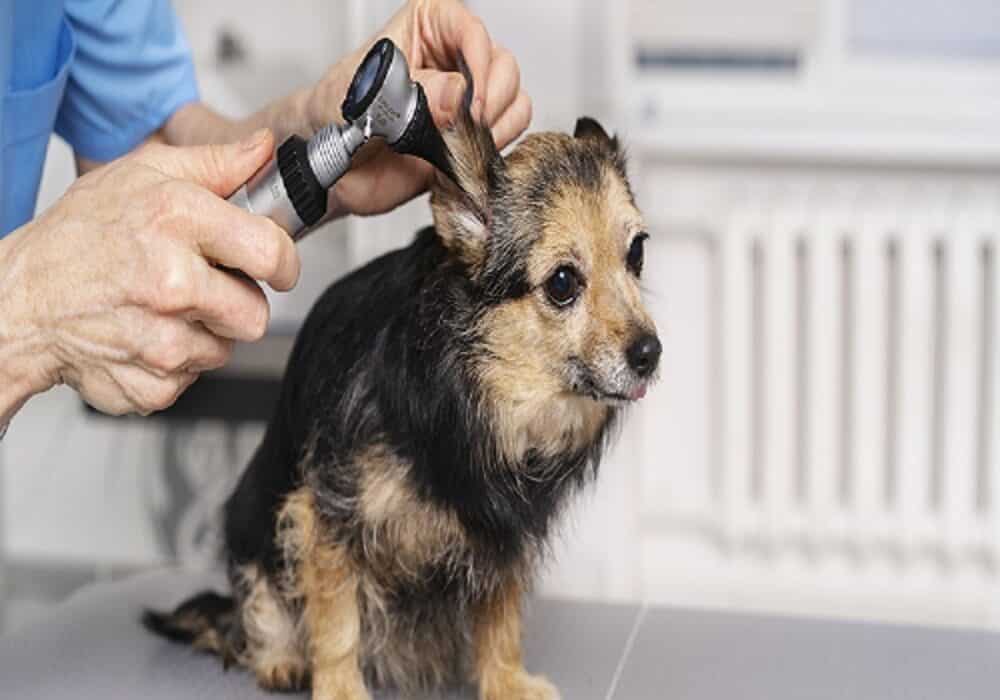
pet microchipping mississauga

Pet Microchipping Mississauga: How to Register and Maintain Your Pet’s Details

Losing a pet can be stressful, especially when there is no reliable way to identify them. A microchip provides a permanent form of identification that can help reunite lost pets with their owners.

However, getting a chip implanted is only the beginning. Proper registration and accurate contact information are equally important. For local pet owners, pet microchipping Mississauga can be an important part of a responsible pet-safety plan.

What Is a Pet Microchip?

A pet microchip is a tiny electronic identification device, usually about the size of a grain of rice. It is placed under a pet’s skin during a quick procedure performed by a veterinary professional. The chip carries a unique identification number. When scanned with a compatible reader, this number can be connected to the owner information stored in the appropriate database.

Unlike collars and tags, a microchip stays with the pet and cannot simply fall off. This makes pet microchipping a useful form of permanent identification for dogs and cats.

Why Is Microchip Registration Important?

A microchip is most useful when its registration information is accurate and current. Without updated owner details, finding a pet’s family can become much more difficult. The chip itself does not typically contain your phone number or address. Instead, its unique identification number is connected to a database containing your contact information.

If a lost pet is taken to a veterinary clinic, shelter, or animal-care facility, staff can scan the chip and use the registered information to try to contact the owner.

Register Your Pet’s Microchip

After your pet receives a microchip, ask the provider which database the chip should be registered with and whether the registration has already been completed. Keep important information available, including your pet’s name, microchip number, current phone number, email address, home address, and emergency contact details.

Double-check every detail before completing the registration. Accurate records are an essential part of making pet microchipping Mississauga effective over the long term.

Keep Your Contact Details Updated

One of the biggest advantages of a microchip can be reduced if your contact information becomes outdated. Moving to a new home, changing your phone number, or using a new email address are all reasons to review your pet’s record.

If your pet goes missing months or years after being microchipped, accurate information can make it easier for someone who finds them to reach you.

Save the Microchip Number

Keep a record of your pet’s unique microchip number. You can store it alongside vaccination records, veterinary documents, and other important pet information. A digital copy can also make the number easier to access when needed.

Knowing the identification number can help with verification and communication with veterinary professionals or animal organizations. It is a simple step that complements pet microchipping and proper registration.

Verify the Registration

Once the chip has been registered, take a moment to confirm that the information is correct.

Check that your name, phone number, email address, and other details have been entered accurately. If a veterinary clinic helped with registration, ask for confirmation that the process has been completed.

A small administrative check can prevent unnecessary complications later.

Microchips Are Not GPS Trackers

A common misconception is that microchips allow owners to locate their pets using GPS.

Standard identification microchips do not provide real-time location tracking. They generally need to be scanned with an appropriate reader.

Therefore, microchipping should complement other safety measures rather than replace them. A collar, identification tag, secure outdoor environment, and responsible supervision can provide additional protection.

What Should You Do If Your Pet Goes Missing?

If your pet disappears, act quickly. Contact local animal shelters, veterinary clinics, and animal-care organizations.

Make sure your microchip information is current and report your pet as missing through any applicable systems.

Provide identifying details such as your pet’s breed, age, color, distinguishing features, and a recent photograph. Having completed pet microchipping Mississauga and keeping the registration current can give professionals another way to identify your pet.

Check the Microchip During Veterinary Visits

Although microchips are designed for long-term identification, having the chip scanned during routine veterinary visits can provide reassurance.

Ask the veterinary professional to confirm that the chip can be detected and that the identification number matches your records.

This can also be a useful opportunity to review your contact information and make sure everything remains accurate.

When Should You Update the Record?

You should review your pet’s microchip information whenever important personal details change.

Consider updating the record after:

  • Moving to a new home
  • Changing your phone number
  • Changing your email address
  • Changing an emergency contact
  • Transferring pet ownership
  • Correcting inaccurate information

Regular updates help ensure that the identification system remains useful throughout your pet’s life.

Keep Visible Identification Too

A microchip should not replace a collar and identification tag.

Visible identification allows someone who finds your pet to contact you without needing access to a microchip scanner.

Using both forms of identification creates a stronger safety strategy. A tag provides immediate visibility, while a microchip offers a permanent backup if the collar is lost.

Make Microchip Maintenance a Habit

Pet microchipping becomes more effective when registration is treated as an ongoing responsibility rather than a one-time procedure.

Set a reminder to review your pet’s information periodically. If nothing has changed, there may be nothing to update, but a quick check can confirm that your records remain accurate.

This small habit takes very little time and can provide valuable peace of mind.

A Small Step Toward Greater Pet Safety

Microchipping gives pets a permanent form of identification, but registration and accurate contact information are what make that identification useful.

For local pet owners, pet microchipping Mississauga can form part of a broader pet-safety strategy. Register the chip, save the identification number, update your information whenever necessary, and continue using visible identification.

Ultimately, microchipping is about more than the implantation procedure. It creates a dependable connection between a lost pet and the family hoping to bring them home.
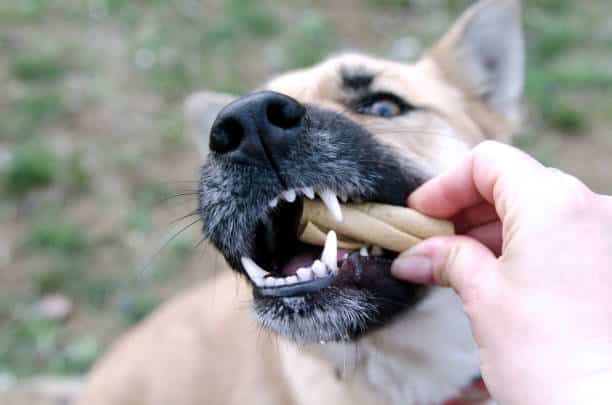
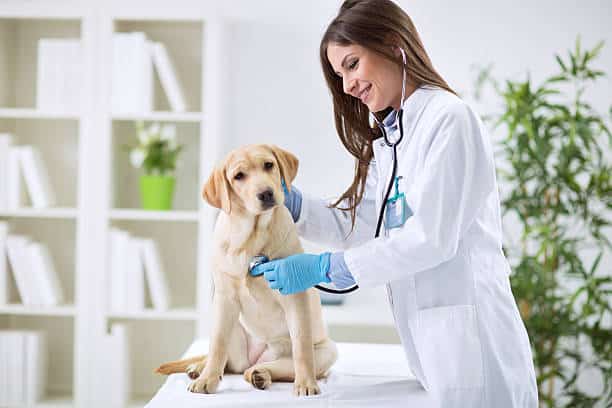
 

dental cleaning for dogs

7 Signs Your Dog May Need a Dental Cleaning

A dog’s dental health can be easy to overlook. Pet owners often focus on nutrition, exercise, vaccinations, and grooming while forgetting that oral care is also an important part of routine wellness. Dental problems can develop gradually, and dogs may not always show obvious discomfort in the early stages.

Knowing the warning signs can help you recognize when your pet may need professional attention. Regular dental cleaning for dogs can help remove accumulated plaque and tartar while supporting healthier teeth and gums. Here are seven signs that may indicate it is time to schedule a dental checkup.

1. Persistent Bad Breath

A little doggy breath may seem normal, but persistent or unusually strong odor can indicate an underlying dental problem. Bacteria can accumulate along the teeth and gumline, contributing to unpleasant breath.

If your dog’s breath has suddenly become noticeably worse, it is worth having their mouth examined. Bad breath can sometimes be an early indication that plaque or tartar has built up.

2. Visible Tartar on the Teeth

Take a moment to look at your dog’s teeth when they are relaxed. Healthy teeth generally appear relatively clean, while significant yellow, brown, or dark deposits around the gumline can indicate tartar accumulation.

Tartar is hardened plaque and cannot always be removed effectively with ordinary brushing. A veterinarian can determine how much buildup is present and whether professional cleaning is appropriate.

3. Red or Swollen Gums

Healthy gums should generally look firm and pink. Redness, swelling, tenderness, or bleeding around the gumline deserves attention.

Inflamed gums can develop when bacteria and plaque remain around the teeth. If you notice changes in your dog’s gums, schedule a veterinary examination rather than waiting for the problem to become more severe. Professional dental cleaning for dogs may be recommended depending on the condition of the teeth and gums.

4. Difficulty Chewing

Changes in eating habits can provide important clues about oral discomfort. A dog that previously enjoyed crunchy food but suddenly prefers softer food may be experiencing discomfort while chewing.

You might also notice your pet chewing on only one side of the mouth, dropping food, eating more slowly, or avoiding certain treats. These behaviors should not automatically be assumed to be picky eating. Dental pain can sometimes be the reason behind a sudden change.

5. Excessive Drooling

Some dogs naturally drool more than others, so it is important to consider what is normal for your individual pet. However, a sudden increase in drooling may signal irritation or discomfort inside the mouth.

Check for other symptoms, such as bad breath, swollen gums, difficulty eating, or visible changes to the teeth. A veterinarian can help determine whether the drooling is related to a dental issue or another condition.

6. Loose, Broken, or Missing Teeth

Adult dogs should not routinely lose their permanent teeth. A loose, fractured, or missing tooth can indicate dental disease, trauma, or another oral health problem.

Never try to pull out a loose tooth yourself. Instead, have your veterinarian examine your dog’s mouth. Depending on the findings, professional treatment or dental cleaning for dogs may be recommended to address existing buildup and protect remaining teeth.

7. Changes in Behavior

Dogs often hide discomfort, which means behavioral changes can sometimes be easier to notice than obvious signs of dental disease. A normally playful dog may become less interested in toys, avoid having its face touched, or seem unusually irritable.

Other changes may include reduced activity or reluctance to chew favorite toys. While these behaviors can have many causes, oral discomfort should be considered when they appear alongside other dental warning signs.

Why Regular Dental Care Matters

Dental care is not simply about keeping your dog’s teeth looking clean. Plaque contains bacteria that can contribute to gum inflammation and other oral problems when it remains on the teeth.

Routine veterinary examinations allow problems to be identified before they become more complicated. Your veterinarian can assess your dog’s teeth and gums and recommend an appropriate care routine based on age, breed, lifestyle, and existing dental health.

For some dogs, professional dental cleaning for dogs may be part of maintaining good oral hygiene. At home, pet owners can support dental health through veterinarian-recommended brushing, appropriate dental products, and regular observation of the mouth.

How to Support Your Dog’s Dental Health at Home

Professional care works best alongside a consistent home routine. If your veterinarian recommends brushing, introduce it gradually so your dog becomes comfortable with the process.

Use products specifically designed for dogs, and avoid using human toothpaste unless a veterinarian specifically advises otherwise. Regularly checking your dog’s mouth can also help you notice changes early.

Providing veterinarian-approved dental chews or other dental products may also complement a broader oral-care routine. However, these should not be viewed as a replacement for professional evaluation when dental disease is suspected.

When Should You Contact a Veterinarian?

Do not wait for severe symptoms before seeking advice. Persistent bad breath, bleeding gums, difficulty eating, loose teeth, excessive drooling, or noticeable behavioral changes deserve veterinary attention.

Early action can make dental problems easier to manage and help your dog remain comfortable. If you are unsure whether your pet needs dental cleaning for dogs, a veterinary examination is the best way to determine the appropriate next step.

A Healthier Smile Starts With Consistent Care

Your dog cannot tell you when a tooth hurts, so paying attention to subtle changes is essential. Bad breath, tartar, gum inflammation, chewing difficulties, drooling, damaged teeth, and behavioral changes can all provide valuable clues.

Brittany Glen Animal Hospital

Why “My Cat Seems Fine” Isn’t a Reason to Skip the Vet

Cats are experts at hiding when something’s wrong — it’s an instinct hardwired from their wild ancestry, where looking vulnerable meant becoming a target. So when your cat is eating, sleeping, and acting like herself, it’s easy to assume everything’s fine and put off that checkup. But “seems fine” and “is fine” aren’t the same thing, which is exactly why routine vet care for cats matters more than most owners realize.

Cats Are Built to Hide Illness

In the wild, a sick or weak cat is an easy target for predators, so cats evolved to mask pain and illness until a problem becomes severe. That instinct hasn’t disappeared just because your cat sleeps on your couch instead of in the wild. A cat with early-stage kidney disease, dental pain, or even arthritis can look completely normal to an untrained eye — right up until the condition progresses. This is one of the strongest arguments for routine vet care for cats: it catches what your daily observation simply can’t.

What “Seems Fine” Actually Overlooks

A normal appetite and a playful attitude are good signs, but they don’t rule out:

  • Early dental disease, which is often invisible until it’s painful
  • Subtle weight loss or gain, easy to miss day to day
  • Elevated bloodwork markers with zero visible symptoms
  • Low-grade infections that haven’t yet caused obvious distress

None of these show up in a quick glance at your cat curled up on the windowsill. They show up during a proper exam — which is exactly what routine vet care is designed to catch early, before treatment becomes more complicated or costly.

The Real Value of Routine Visits

A wellness exam isn’t just a formality. It typically includes a physical exam, weight tracking, dental assessment, and often bloodwork or urinalysis depending on your cat’s age. These checkups build a baseline for your cat’s normal — so if something shifts even slightly, your vet has something to compare it against. Without that baseline, subtle changes are much harder to catch until they’ve become bigger problems.

This is also where choosing the right clinic matters. A trusted Mississauga animal hospital will track your cat’s history over time, not just treat isolated symptoms as they appear. That continuity is often what makes the difference between catching an issue early and discovering it too late.

How Often Do Cats Actually Need Checkups?

General guidelines suggest:

  • Kittens: multiple visits in the first year for vaccines and monitoring
  • Adult cats (1–7 years): at least one annual wellness exam
  • Senior cats (7+ years): twice-yearly visits, since age-related conditions progress faster

If it’s been over a year since your cat’s last visit, it’s worth booking one — even if nothing seems obviously wrong.

What to Look for in a Cat-Friendly Clinic

Not every clinic handles cats the same way, and that matters more than owners often expect. Cats are notoriously stressed by car rides, waiting rooms, and unfamiliar smells, which can make visits feel like more trouble than they’re worth. Look for a clinic that offers:

  • Separate waiting areas or quiet check-in for cats
  • Staff experienced in low-stress handling techniques
  • Clear communication about findings, not just a quick in-and-out visit
  • Flexible scheduling that doesn’t force long waits with an anxious cat

A well-run animal hospital will typically have these basics in place, since cat-specific care has become a growing focus across the veterinary field. The right environment doesn’t just make visits easier — it also makes cats more cooperative, which leads to more accurate exams overall.

Finding the Right Care Partner

Not all clinics approach preventive care the same way. A good Mississauga animal hospital will take time to explain findings, flag anything worth monitoring, and build a relationship with you and your cat over multiple visits — rather than treating each appointment as a one-off transaction.

The Bottom Line

Your cat’s calm, contented behavior is a good sign — but it’s not a diagnosis. Cats are simply too good at hiding discomfort for “seems fine” to be a reliable indicator of actual health. Committing to routine vet care for cats means catching problems while they’re still manageable, not after they’ve become emergencies. It’s a small, recurring effort that pays off in fewer surprises and better outcomes over your cat’s lifetime.

If you’re due for a visit, a reputable Mississauga animal hospital can help build that baseline and catch what a glance at home never could. Your cat may not be able to tell you something’s wrong — but a proper checkup usually can, and that peace of mind is worth the trip alone.

Animal Hospital Near

When Should I Take My Pet to an Animal Hospital Near Me?

Pets cannot explain when something is wrong, so pet owners need to pay attention to changes in behavior, appetite, energy, and physical condition. While some problems can wait for a routine appointment, others require prompt veterinary attention. Knowing when to search for an animal hospital near me can help you respond appropriately when your pet’s health suddenly changes.

Sudden Changes in Behavior

A noticeable change in your pet’s normal behavior can be an early indication that something is wrong. A normally energetic dog that suddenly becomes withdrawn, or a cat that hides more than usual, may be experiencing discomfort or illness.

Behavioral changes do not always mean an emergency, but they should not be ignored when they are sudden, severe, or accompanied by other symptoms.

Difficulty Breathing

Breathing problems require immediate attention. Rapid breathing, excessive panting without an obvious reason, wheezing, coughing, or visible difficulty getting enough air can indicate a serious health concern.

If your pet is struggling to breathe, do not wait to see whether the condition improves on its own. Contact a veterinary professional immediately and explain the symptoms before traveling.

Severe Vomiting or Diarrhea

Occasional digestive upset can happen to pets, but repeated vomiting or diarrhea may become dangerous, particularly if dehydration develops.

Pet owners should be especially concerned when digestive symptoms are accompanied by weakness, blood, abdominal discomfort, refusal to drink, or significant changes in behavior.

Watch for Dehydration

Dehydration can become serious quickly. If your pet cannot keep water down or appears unusually weak after repeated vomiting or diarrhea, professional assessment may be necessary.

Injuries and Accidents

Pets can be injured in many ways, including falls, vehicle accidents, fights, or accidental ingestion of harmful substances. Some injuries may not be immediately obvious.

Even when your pet appears relatively normal after an accident, internal injuries may still be possible. A veterinary examination can help determine whether further treatment or monitoring is required.

For pet owners trying to find an animal clinic near me, it is useful to know what services are available before an injury occurs. Having a veterinary provider familiar with your pet can make it easier to respond quickly when something unexpected happens.

Difficulty Walking or Standing

Sudden difficulty walking, weakness, limping, or an inability to stand normally deserves attention. These symptoms can result from injuries, pain, neurological problems, or other medical conditions.

A pet that suddenly cannot use one or more limbs should be assessed promptly, especially if the change occurs without an obvious explanation.

Changes in Eating or Drinking

Appetite can naturally fluctuate, but prolonged refusal to eat or drink may signal an underlying issue.

Increased thirst can also be worth discussing with a veterinarian, particularly when it occurs alongside frequent urination, weight changes, lethargy, or changes in appetite.

Why Context Matters

A pet’s age, size, medical history, and usual eating habits can influence how concerning a change may be. This is why observing your pet’s normal routine is so valuable.

Unusual Pain or Distress

Pets often hide pain, which means subtle signs can be important. Whining, restlessness, unusual aggression, reluctance to move, excessive licking of a particular area, or difficulty finding a comfortable position may indicate discomfort.

If pain appears severe or develops suddenly, seeking professional veterinary care is the safest approach.

Eye Problems

Eye issues can worsen quickly. Squinting, redness, swelling, discharge, cloudiness, or repeatedly rubbing an eye should be evaluated rather than ignored.

Because vision is extremely important, prompt veterinary attention can be particularly important when an eye problem appears suddenly or follows an injury.

When a Routine Clinic Visit May Be Enough

Not every health concern requires emergency treatment. Routine veterinary care is appropriate for preventive examinations, vaccinations, parasite prevention, dental assessments, nutritional discussions, and monitoring ongoing health.

Searching for an animal clinic near me can help pet owners locate a convenient provider for these regular healthcare needs. Routine visits also give veterinarians an opportunity to identify potential problems before they become more serious.

Preparing for an Emergency

The best time to prepare for a veterinary emergency is before one happens. Keep your veterinarian’s contact information accessible and know where to go if your regular clinic is closed.

You can also keep a basic pet first-aid kit, medical records, medication information, and emergency contact numbers readily available.

Know Your Pet’s Normal Behavior

Understanding what is normal for your pet makes unusual symptoms easier to recognize. Pay attention to eating patterns, bathroom habits, activity levels, sleeping routines, and general behavior.

Small changes can sometimes provide useful clues about your pet’s health.

When Immediate Care Is Necessary

Some symptoms should never be ignored. Severe breathing difficulty, uncontrolled bleeding, collapse, seizures, suspected poisoning, serious trauma, extreme weakness, or sudden inability to stand can require urgent veterinary attention.

In these situations, contact a veterinary professional as quickly as possible. If you are unsure whether a symptom constitutes an emergency, calling a veterinary provider and describing what you are seeing can help you determine the next step.

Having an animal hospital near me identified ahead of time can make an emergency less stressful because you are not searching for care while your pet is already in distress.

Choosing the Right Veterinary Provider

Location is important, but it should not be the only consideration when choosing veterinary care. Look at the services offered, operating hours, veterinary expertise, cleanliness, communication, and how the practice handles urgent situations.

For routine healthcare, preventive services and ongoing communication can be particularly valuable. For emergencies, accessibility and the ability to provide prompt assessment may be more important.

Keep a Veterinary Plan Ready

Pet health emergencies can happen unexpectedly. Having a plan means knowing your regular veterinarian, understanding where to seek urgent care, and keeping important medical information available.

If your pet develops concerning symptoms, do not rely solely on online information to determine what is wrong. A veterinarian can assess your pet directly and recommend appropriate care.

Final Thoughts

Knowing when your pet needs professional attention is an important part of responsible pet ownership. Sudden behavioral changes, breathing difficulties, serious injuries, persistent vomiting, severe pain, and other concerning symptoms should receive appropriate attention.

At the same time, preventive care remains essential. Regular examinations can help detect potential health problems and keep pets healthier throughout their lives.

When an unexpected problem occurs, knowing where to find an animal hospital near me can help you act quickly. With a little preparation and careful observation, pet owners can be better prepared to recognize warning signs and seek the right level of veterinary care when it matters most.