The First-Year Guide to Puppy Vaccination Every Owner Needs

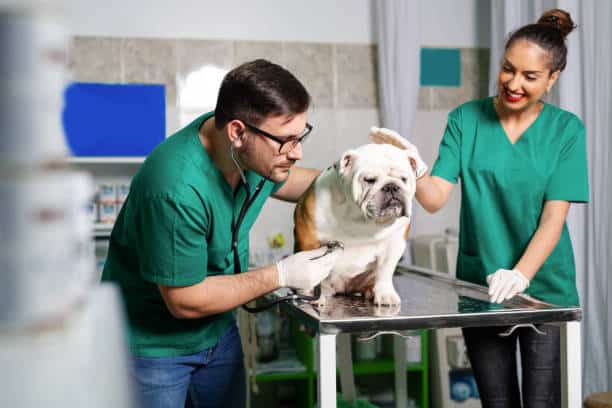
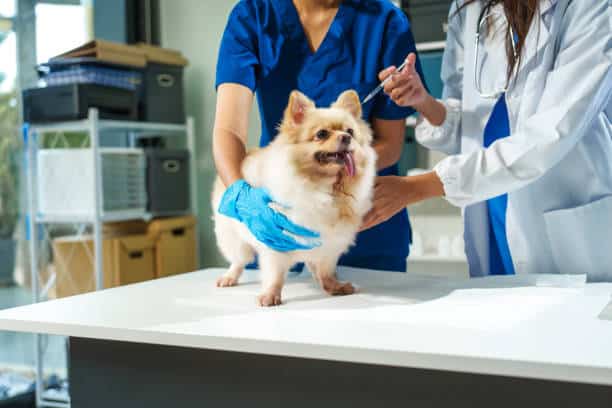
Bringing a puppy home is an exciting experience filled with playful moments, new routines, and plenty of responsibilities. Among the most important aspects of early pet care is protecting your furry companion from preventable diseases. Puppy vaccination plays a vital role in developing immunity while a young dog explores its surroundings and grows. Understanding when vaccinations are needed, how they work, and what to expect during veterinary visits can help pet parents make informed decisions and provide their puppies with a healthier start in life.

1. Why Are Early Vaccinations Important?

Puppies have developing immune systems that may leave them vulnerable to serious infectious diseases. Vaccination helps their bodies recognize specific disease-causing organisms and prepare to fight them effectively. Some infections, including parvovirus and distemper, can cause severe illness, particularly in young dogs. Timely veterinary care reduces these risks and supports responsible pet ownership. Following a veterinarian-recommended vaccination plan also helps protect other dogs in the community by reducing the spread of certain contagious diseases.

2. Understanding Your Puppy’s First-Year Schedule

A puppy’s vaccination schedule generally begins at around six to eight weeks of age, although the timing depends on maternal antibodies, health status, local disease risks, and veterinary guidance. Initial doses are usually repeated every two to four weeks until approximately 16 weeks of age or as advised by the veterinarian. Some vaccines for animals require later booster doses to maintain protection. Keeping a written record of every appointment helps prevent missed doses and makes it easier to plan future visits.

A typical schedule may include:

  • 6–8 weeks: Initial core vaccinations, depending on veterinary advice.
  • 10–12 weeks: Follow-up doses to strengthen the immune response.
  • 14–16 weeks: Additional doses as recommended for adequate protection.
  • Around one year: Booster vaccinations based on the puppy’s earlier doses and local guidelines.

3. Which Vaccines Does Your Puppy Need?

Not every puppy requires an identical vaccination plan. Core vaccines protect against diseases considered important because of their severity, contagiousness, or wider public health significance. Other vaccines may be recommended according to geographical location, lifestyle, and exposure to particular animals. Your veterinarian can determine the appropriate combination based on your puppy’s medical history. Discussing local disease patterns is especially useful when deciding which preventive measures are necessary.

Common vaccinations your veterinarian may discuss include:

  • Distemper: Helps protect against a serious viral disease affecting multiple body systems.
  • Parvovirus: Helps prevent a highly contagious infection that can cause severe gastrointestinal illness.
  • Adenovirus: Protects against infections associated with canine hepatitis and related disease.
  • Rabies: Protects against a fatal viral disease and may be legally required.
  • Additional vaccines: Leptospirosis, kennel cough, or other options may be appropriate depending on local risks and lifestyle.

4. Preparing for a Veterinary Vaccination Visit

A little preparation can make vaccination appointments more comfortable for both puppies and their owners. Before the puppy vaccination, gather any available medical records and note changes in appetite, energy, digestion, or behavior. Tell the veterinarian about previous illnesses, medications, and possible exposure to sick animals. Healthy puppies can generally receive vaccinations according to their planned schedule, but a veterinary assessment helps determine whether any adjustment is needed. Avoid giving medications or home remedies without professional advice.

Before leaving home, remember to:

  • Carry previous vaccination and deworming records.
  • Use a secure carrier or leash appropriate for your puppy.
  • Ask about the next appointment and recommended boosters.
  • Discuss safe socialization while vaccinations are underway.

5. What to Expect After Vaccination

Most puppies tolerate vaccinations well, although mild, temporary reactions can occur. These may include tenderness around the injection site, reduced activity, slight fever, or a lower appetite for a short period. Provide fresh water, a comfortable resting place, and gentle supervision after the appointment. Contact your veterinarian if symptoms persist, worsen, or cause concern. Facial swelling, difficulty breathing, collapse, or repeated vomiting can indicate a serious reaction and require immediate veterinary attention.

Remember that immunity does not develop instantly after a vaccine. Ask your veterinarian when your puppy can safely visit public spaces, interact with unfamiliar dogs, or attend group training sessions.

6. Building Lifelong Protection Beyond the First Year

Preventive care should continue after the initial vaccination series is complete. Adult dogs may need boosters at specific intervals, while some vaccines are administered annually and others less frequently, depending on the product, local regulations, and individual risk. Regular veterinary checkups also provide opportunities to discuss parasite prevention, nutrition, dental health, and behavior. Responsible owners should understand that vaccines for animals are part of a wider healthcare plan rather than a replacement for routine examinations and good daily care.

Maintain your puppy’s health by:

  • Keeping vaccination records updated.
  • Scheduling routine veterinary examinations.
  • Following professional advice about boosters.
  • Limiting exposure to potentially infectious environments when protection is incomplete.

Conclusion

Your puppy’s first year lays the foundation for a healthier future. By understanding vaccination schedules, recognizing possible reactions, and maintaining regular veterinary appointments, you can help your companion grow with greater protection against preventable diseases. Remember that puppy vaccination should always follow an individualized plan developed with a qualified veterinarian. Staying informed about vaccines for animals also helps pet parents make responsible choices throughout their dogs’ lives. With consistent preventive care, patience, and attention, you can give your puppy a strong start toward a happy and active life.
Pet Halloween Costumes

Pet Halloween Costumes That Won’t Make Your Furry Friend Hate You

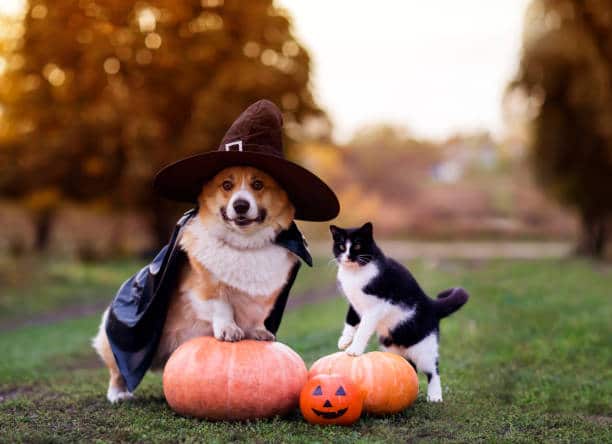
Every October, the same scene plays out in living rooms everywhere: a hopeful owner holding a tiny pumpkin outfit and a pet who has already vanished under the sofa. Choosing pet Halloween costumes should be fun for everyone, not a wrestling match. The secret is thinking like your animal first and like a photographer second. This guide covers comfort, safety, and style, with ideas that work well beyond dogs and cats, because costumes for animals deserve the same thoughtful planning whatever the species.

Start With Your Pet’s Personality

Before you buy anything, watch how your companion reacts to being handled. A confident, social animal may happily tolerate a full outfit, while a nervous one might only manage a light accessory. Browsing pet costumes is easier once you know which group yours falls into. Forcing a reluctant animal into an elaborate look creates stress, and stressed pets rarely pose nicely. Match the outfit to the temperament and you will both enjoy the evening far more than expected.

  • Relaxed body language: loose tail, soft eyes, willing to be touched all over
  • Warning signs: freezing, lip licking, pinned ears, or trying to hide
  • Best for shy pets: bandanas, bow ties, or a simple collar charm

Put Safety and Comfort First

The best dog Halloween costumes are never the most elaborate ones; they are the ones your dog can walk, sniff, sit, and breathe in without any trouble. Check that nothing covers the eyes, ears, or nose, and avoid dangling parts that could be chewed or swallowed. Allow a quick try-on days ahead of the event so the outfit feels familiar. Good costumes should always be removable in seconds if your companion becomes distressed or overheated.

  • Skip small buttons, beads, or bells that could become choking hazards
  • Choose breathable fabrics like cotton or fleece, never stiff plastic
  • Keep costume time short, ideally under an hour, with water within reach
  • Supervise constantly, especially around open flames and candy bowls

Think Beyond Dogs and Cats

Rabbits, guinea pigs, ferrets, and even birds can join the festivities, though their needs differ greatly. Small, delicate bodies overheat quickly and tend to panic when restricted, so simplicity wins. When shopping for costumes for animals outside the usual dog and cat range, look for lightweight hats, tiny capes, or soft collars instead of full bodysuits. Honestly, a few minutes of calm posing with a favourite treat beats an hour of struggling in something unsuitable.

  • Rabbits: a tiny hat or bow tie, never anything around the neck that tightens
  • Ferrets: stretchy harness-style outfits that allow free movement
  • Birds: skip clothing entirely and use a themed perch decoration instead

Pick a Size That Actually Fits

Poor fit ruins more outfits than bad taste ever could. Measure your pet’s neck, chest, and back length with a soft tape, then compare the numbers to the size chart rather than guessing by weight. Many pet costumes run small, so choose the larger size when you fall between two. The garment should sit snugly without pressing, and you should easily slide two fingers underneath. Always check that the legs, tail, and belly are free to move naturally.

  • Neck: measure at the base where a collar normally sits
  • Chest: wrap around the widest part behind the front legs
  • Length: run from the collar to the base of the tail

Easy Looks That Always Win

Simple concepts photograph beautifully and keep your companion relaxed. Classic ideas still dominate the list of best dog halloween costumes, including pumpkins, hot dogs, lions, and tiny witches. If you enjoy crafting, an old T-shirt, felt scraps, and fabric glue can produce charming results in minutes. Homemade pet halloween costumes also let you adjust every detail for comfort, which store-bought versions rarely allow. Keep the design lightweight, colourful, and easy to remove.

  • Pumpkin: an orange felt vest with a small green stem hat
  • Superhero: a simple cape fastened with Velcro
  • Ghost: a white bandana printed with a friendly ghost face

Plan Around Trick-or-Treaters and Treats

Halloween night brings doorbells, strangers in masks, and piles of tempting sweets, which can overwhelm even a confident animal. Decide beforehand whether your companion will join the walk or stay somewhere calm and quiet. Keep chocolate, raisins, and sugar-free sweets well out of reach, since they are toxic to many animals. If you do head outside, use a secure harness, add reflective strips, and carry plenty of water for the journey.

  • Toxic treats: chocolate, raisins, xylitol, and candy wrappers
  • Noise stress: create a quiet room with a bed and a chew toy
  • Night safety: reflective gear and an ID tag with current contact details

Capture the Perfect Photo

Photos are where all the effort pays off, so keep the session short and positive. Use natural window light, get down to eye level, and have treats ready to hold attention. When planning costumes for animals of several species, photograph each one separately, because patience matters more than gear. Take a handful of quick frames, then remove the outfit and reward your friend. Sharing your favourite pet costumes online is far more satisfying when the star looked happy.

  • Shoot in daylight and avoid flash, which can startle animals
  • Use a squeaky toy or treat just above the lens
  • Stop as soon as your pet shows signs of boredom or stress

Final Thoughts

Halloween should leave your companion happy, not traumatised. Put comfort first, measure carefully, and let your animal’s personality guide every choice. Whether you craft something at home or browse shops for the best dog halloween costumes, the goal is the same: a safe, joyful evening with plenty of treats. Take your time, stay flexible, and remember that sometimes a simple bandana is the winning look. Happy Halloween to you and your four-legged, feathered, or furry family.

Why Pet Parents Keep Coming Back to West Glen Farms Veterinary Hospital

Ask a room full of pet owners why they stay loyal to one clinic, and the answers sound surprisingly alike. It is rarely about the building or the signage. It is about how the visit felt. At West Glen Farms Veterinary Hospital, that feeling is what keeps families returning year after year. Here is what tends to bring people back, and why each reason matters for your pet.

Care That Feels Personal

Pets are not patients on a conveyor belt. Each one has a temperament, a history and a family attached. When a team takes a moment to learn a pet’s name, quirks and habits, the visit stops feeling clinical. Owners notice that effort, and they notice when it is missing. Personal attention tells people their animal is seen as an individual, not a chart number, and that is the first step toward lasting loyalty.

Clear Answers, No Jargon

Nobody wants to leave an exam room more confused than they arrived. Pet parents value a team that explains a diagnosis in plain words, lays out the options and gives the reasons behind each recommendation. When cost, timeline and expected results are all on the table, decisions feel shared rather than pushed. That honesty builds trust faster than any waiting-room brochure ever could. Owners leave informed, not overwhelmed, and they know exactly what happens next for their pet.

Calm Visits for Nervous Pets

Plenty of dogs tremble at the door, and many cats dislike the carrier more than the clinic. A patient, low-stress approach changes everything. Gentle handling, unhurried exams and a quiet tone help animals relax, and relaxed animals are easier to examine accurately. Owners who watch an anxious pet settle down rarely forget it, and they usually come back because of it.

Preventive Care That Actually Prevents

Routine checkups, vaccines, parasite control and dental reviews are not glamorous, but they protect pets from bigger problems later. Families who keep a steady schedule with West Glen Veterinary Hospital tend to catch small changes early, such as weight shifts, sore joints or skin trouble. Consistent follow-up helps owners stay ahead of issues instead of reacting to emergencies.

Why Early Attention Pays Off

Catching a problem sooner usually means simpler treatment and a smoother recovery. Prevention saves worry, and often money too, for the whole household.

One Team Across Every Life Stage

A kitten grows into an adult cat, then into a senior with new needs. Staying with one hospital means records, history and familiarity travel with the pet. A team that has watched an animal grow up notices subtle changes others might miss. That continuity comforts owners and gives the pet the benefit of long-term, informed attention.

Communication That Respects Your Time

Reminders, follow-up calls and straightforward scheduling may seem minor, yet they shape the whole experience. Pet parents are busy. They appreciate quick responses, clear aftercare instructions and a team that follows through on what it promised. When a question gets answered the same day, confidence grows. Small habits like these quietly separate a clinic people tolerate from one they recommend.

Small Comforts That Add Up

Loyalty often hides in details. A friendly greeting at the desk, a clean and quiet waiting area, a treat for a brave patient and a handwritten note after a tough appointment all say the same thing: you matter here. None of these touches is complicated, but together they turn an errand into something families feel good about repeating every season.

Compassion When It Matters Most

Hard moments come for every pet family: serious diagnoses, long recoveries, goodbyes. Owners remember how they were treated during these times far longer than any routine visit. Kindness, patience and honest guidance without pressure leave a lasting mark. Many families stay with a hospital for years because of a single compassionate conversation when they needed it most.

What to Look for in Any Clinic

Whether you are new to the area or simply rethinking your options, a few questions can help:

  • Does the team listen before recommending?
  • Are explanations clear and costs transparent?
  • Does your pet seem calm, or at least handled gently?
  • Can you reach someone when a follow-up question comes up?
  • Does the clinic track your pet’s history over time?

If the answers are yes, you have likely found a clinic worth keeping.

Loyalty in pet care is earned through small, repeated moments: a gentle hand, an honest answer, a timely call. That is why families keep choosing West Glen Farms Veterinary Hospital for their companions’ long-term wellbeing, and why it remains a name pet parents recommend to neighbors and friends. Book a checkup, ask your questions and see whether the experience earns your trust, too.

Beyond Five-Star Reviews: What Separates a Good ER for Pets from a Great One

When your pet seems to be in a bad shape and you search for “best emergency vet hospital” into your phone frantically. Dozens of listings appear, nearly all of them glowing with five stars. So how do you know which one will actually help your pet when every minute counts?

Star ratings are a starting point, not a verdict. Finding the best emergency vet hospital means looking at what reviews rarely capture: speed, skill, equipment, and how well the team talks to you. Here’s what truly sets a great pet ER apart from a merely good one.

Why Five Stars Only Tell Part of the Story

Reviews are written in the heat of emotion. A grateful owner whose dog pulled through will rave about it. A warm receptionist can earn praise even when the medical care was average.

Ratings capture how people felt, not always how well pets were treated. Use them as one clue among many, never as the whole answer.

Triage: The First Sign of a Great ER

Great emergency hospitals don’t run first-come, first-served. Every arrival is assessed within minutes and sorted by urgency.

A choking puppy goes ahead of a minor cut, even if the cut arrived first. If you ask how triage works and get a clear, confident answer, that’s a very good sign.

Doctors Who Live in Emergency Medicine

Emergency care is its own skill set. Vets who work ER shifts daily see poisonings, trauma, seizures, and bloat again and again. That repetition builds fast, calm decision-making.

Look for teams with emergency and critical care training. A clinic that simply stays open late is not the same thing.

Equipment That Changes Outcomes

In-house diagnostics save precious minutes. When results come back on-site, treatment starts sooner. A strong ER usually offers:

  • Digital X-ray and ultrasound
  • On-site bloodwork with rapid results
  • Oxygen therapy and ventilator support
  • A surgical suite ready around the clock

If your pet must be sent elsewhere for basic tests, valuable time disappears.

When Specialists Stand Behind the ER

Some emergencies need more than stabilization. A ruptured disc, a failing heart, or a sudden neurological episode may call for a surgeon, cardiologist, or neurologist.

When the ER sits inside a veterinary specialty hospital, handoffs are smooth and records stay in one place. Your pet is not bundled into a car for a second frantic drive across the city. This advantage rarely shows up in star ratings, yet it can shape the entire outcome.

Communication Under Pressure

Fear makes it hard to absorb information. Great teams slow down and explain:

  • What they think is wrong
  • What they plan to do next
  • What each option involves
  • What it will likely cost

They call with updates instead of leaving you to wonder. Notice whether staff speak to you with patience and respect, even while you’re panicking. That tone matters.

Transparent Pricing Without Surprises

Emergency care is expensive, and honesty about money is a sign of respect. Great hospitals provide written estimates before treatment begins.

They also discuss alternatives without judgment. Vague answers or surprise fees are red flags. The goal is protecting your pet while respecting your budget.

Staffing That Never Sleeps

A true ER has doctors and technicians physically on-site overnight, on weekends, and on holidays. Ask whether a vet is in the building or merely on call.

Presence matters most when a pet crashes at 3 a.m. Nobody wants to wait for a doctor to drive in.

A Calm Environment Helps Healing

Stress slows recovery. Great hospitals separate nervous cats from barking dogs and offer quiet spaces for families.

Small touches count too: soft bedding, gentle handling, and staff who crouch down to a frightened animal’s level. These details show a culture of care.

Continuity After the Crisis

The emergency doesn’t end when your pet stabilizes. A great ER sends detailed notes to your regular vet and explains home care step by step. It schedules rechecks and follows up with a call a day or two later.

If specialists are needed, a veterinary specialty hospital with shared systems can carry your pet from the emergency room into ongoing treatment without repeating tests or losing details.

Prepare Before You Need One

The worst time to research is during the crisis. Do the groundwork on a calm weekend:

  1. Save the hospital’s number and address in your phone
  2. Note the drive time from home
  3. Keep a folder with vaccination records and a medication list
  4. Store a poison control number alongside it
  5. Pack a blanket and a small carrier or leash by the door

Anyone who searches for an emergency vet Mississauga option in the middle of the night is already stressed. A pre-saved contact removes one decision from a very hard moment.

Questions Worth Asking Before You Choose

A quick call or visit can reveal a lot. Ask:

  • Are doctors on-site 24 hours a day?
  • How do you decide who is seen first?
  • Which tests can you run without sending us elsewhere?
  • Do specialists work in the building or only on call?
  • Will I receive a written estimate before treatment?

Calm, specific answers suggest a team that has built real systems. Hesitation or vague replies suggest the opposite.

Final Thoughts

Five-star ratings feel reassuring, but they can’t tell you how fast a team triages, how deep their equipment runs, or whether a specialist is down the hall. Those are the things that quietly decide outcomes.

The best emergency vet hospital pairs trained emergency doctors, in-house diagnostics, honest communication, and a clear path to advanced care. Look past the stars, ask smart questions now, and your pet will have the right team waiting when the unexpected happens.