The Surprising Reasons Felines Need Routine Care by a Professional Cat Vet

Cats are known for their independence, graceful movements, and ability to hide discomfort. Because they often appear healthy and self-sufficient, many owners assume that veterinary visits are only necessary when something seems wrong. However, this belief can lead to missed opportunities for early diagnosis and preventive care.

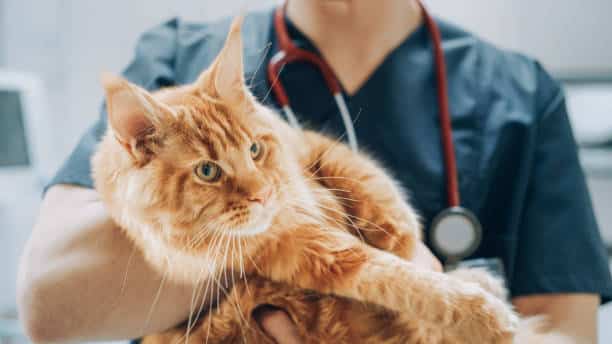
Routine veterinary care plays a vital role in maintaining a cat’s overall health and well-being. A professional cat vet can identify potential issues before they become serious, helping pets live longer and healthier lives.

Cats Are Experts at Hiding Illness

One of the most surprising facts about cats is how effectively they conceal signs of illness. In the wild, showing weakness can make an animal vulnerable, and domestic cats still retain this instinct.

As a result, many health conditions develop gradually without obvious symptoms. By the time noticeable changes occur, the problem may already be advanced. Regular visits to a vet allow professionals to detect subtle warning signs that owners may not recognize at home.

Routine examinations can uncover issues related to weight, dental health, mobility, and internal organ function long before they become severe.

Preventive Care Saves Future Problems

Many people associate veterinary care with treating illness, but prevention is equally important. Routine checkups help ensure that a cat remains healthy throughout different stages of life.

Preventive care may include vaccinations, parasite control, nutritional guidance, and health screenings. These measures help reduce the risk of developing serious conditions later on.

When pet owners search for a vet close by me, they often focus on convenience during emergencies. However, establishing a relationship with a local veterinary professional before problems arise can lead to better long-term care and faster responses when urgent situations occur.

Dental Health Is Often Overlooked

Dental disease is one of the most common health concerns affecting cats. Unfortunately, many owners are unaware of the issue because symptoms are often subtle.

Bad breath, difficulty eating, inflamed gums, and tooth decay can significantly impact a cat’s quality of life. Left untreated, dental problems may even contribute to more serious health complications affecting other parts of the body.

A routine examination allows a veterinary professional to evaluate oral health and recommend appropriate treatments before problems become severe. Regular dental assessments are one reason why ongoing veterinary care is so valuable.

Weight Changes Can Signal Larger Issues

A slight increase or decrease in weight may seem insignificant, but it can sometimes indicate underlying health concerns.

Weight gain can contribute to obesity-related complications, while unexpected weight loss may signal metabolic disorders, digestive problems, or other medical conditions. Because these changes often occur gradually, owners may not immediately notice them.

A professional vet monitors body condition over time, making it easier to identify concerning trends and recommend adjustments to diet or lifestyle when necessary.

Routine Screenings Detect Hidden Conditions

Many diseases develop silently during their early stages. Conditions affecting the kidneys, thyroid, heart, and other organs may not produce obvious symptoms until significant damage has occurred.

Routine screenings provide valuable information about a cat’s internal health. Blood tests, urine analysis, and physical examinations can reveal concerns that would otherwise remain undetected.

For pet owners looking for a reliable vet close by me, choosing a clinic that emphasizes preventive screenings can greatly improve the chances of early diagnosis and successful treatment.

Senior Cats Require Additional Attention

As cats age, their healthcare needs change. Older pets become more susceptible to chronic conditions and age-related health concerns.

Regular veterinary visits help monitor these changes and ensure that aging cats receive appropriate support. Early intervention can often slow disease progression and improve comfort.

Many senior cats continue to live active and fulfilling lives when health issues are identified and managed promptly. Routine care becomes increasingly important as a cat enters its later years.

Behavioral Changes Can Have Medical Causes

Owners sometimes assume that unusual behavior is simply part of a cat’s personality. However, sudden changes in mood, activity levels, appetite, or litter box habits can indicate underlying health problems.

A cat that becomes withdrawn, aggressive, or unusually vocal may be experiencing discomfort or illness. Veterinary professionals are trained to recognize connections between behavioral changes and medical conditions.

This is another reason why regular checkups remain essential even when a cat appears physically healthy.

Building a Health History Matters

Routine veterinary visits create a detailed record of a cat’s health over time. This information helps professionals identify patterns and monitor changes more effectively.

Having an established medical history becomes particularly valuable when unexpected health issues arise. Veterinarians can compare current findings with previous records to make more accurate assessments and treatment decisions.

Reducing Stress During Future Visits

Cats are often sensitive to unfamiliar environments. Waiting until a medical emergency occurs can make veterinary visits more stressful for both pets and owners.

Regular appointments help cats become familiar with the clinic environment, veterinary staff, and handling procedures. This familiarity can reduce anxiety during future visits and make examinations more productive.

A positive relationship with a trusted cat vet can contribute to a smoother healthcare experience throughout a cat’s life.

Conclusion

Cats may appear independent and resilient, but they still require consistent medical attention to stay healthy. Routine veterinary care provides benefits that extend far beyond treating illness. From early disease detection and preventive care to dental health and behavioral assessments, regular checkups play a crucial role in supporting long-term well-being.

A skilled cat vet can identify subtle health concerns that might otherwise go unnoticed, helping owners make informed decisions about their pet’s care.

By prioritizing routine veterinary visits, cat owners can help their companions enjoy healthier, happier, and longer lives.

What Your Vet in Mississauga Wants You to Know About Preventive Care

Pet owners want their furry companions to live long, happy, and healthy lives. While treating illnesses is an important part of veterinary medicine, preventing health problems before they start is often the best approach. Preventive care helps identify potential concerns early, supports overall wellness, and can improve a pet’s quality of life for years to come.

Whether you have a playful puppy, a curious kitten, or a senior pet, understanding the value of preventive care can help you make informed decisions about their health. If you’ve ever searched for a vet near me, chances are you’re already taking an important step toward protecting your pet’s future.

What Is Preventive Veterinary Care?

Preventive care refers to routine healthcare services designed to keep pets healthy and reduce the risk of disease. Rather than waiting until a problem develops, veterinarians focus on monitoring health, providing vaccinations, and identifying concerns before they become serious.

Preventive care often includes:

  • Wellness examinations
  • Vaccinations
  • Parasite prevention
  • Dental care
  • Nutritional guidance
  • Diagnostic screenings
  • Weight management

These services work together to support a pet’s overall health throughout every stage of life.

Why Regular Wellness Exams Matter

Routine veterinary visits are one of the most important aspects of preventive care.

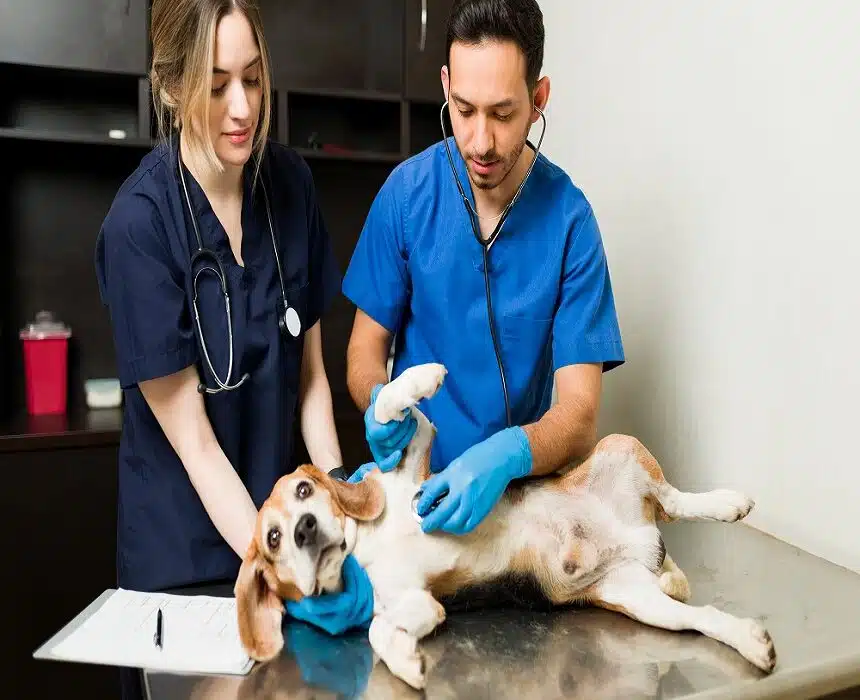
During a wellness exam, a veterinarian evaluates your pet’s overall condition and looks for signs of potential health concerns. Many illnesses can develop gradually, making them difficult for owners to notice at home.

A professional examination allows veterinarians to detect subtle changes that may indicate an underlying issue. Early detection often leads to more effective treatment and better outcomes.

When searching for a vet clinic near me, pet owners should consider facilities that emphasize regular wellness visits and long-term health planning.

Vaccinations Help Protect Your Pet

Vaccines play a critical role in preventive care by protecting pets from potentially serious diseases.

Vaccination schedules vary depending on factors such as age, lifestyle, and overall health. Puppies and kittens typically require a series of vaccinations early in life, while adult pets benefit from booster shots to maintain protection.

Keeping vaccinations up to date not only safeguards individual pets but also helps protect the broader animal community.

Your veterinarian can recommend a vaccination schedule tailored to your pet’s specific needs.

Parasite Prevention Is Essential

Parasites can affect pets year-round and may cause a variety of health issues.

Common parasites include:

Fleas

Fleas can lead to itching, skin irritation, and allergic reactions.

Ticks

Ticks may transmit diseases that affect both pets and humans.

Heartworms

Heartworm disease can cause serious damage to a pet’s heart and lungs.

Intestinal Parasites

These parasites may affect digestion and overall health.

Preventive medications can significantly reduce the risk of parasite-related problems and should be discussed during routine veterinary visits.

Dental Health Is Often Overlooked

Many pet owners focus on vaccinations and physical health while overlooking dental care.

Poor oral health can contribute to:

  • Bad breath
  • Tooth loss
  • Gum disease
  • Pain while eating
  • Secondary health complications

Regular dental evaluations help identify issues before they become severe. Maintaining good oral hygiene can improve comfort and support overall wellness.

A best vet search often leads pet owners to clinics that offer comprehensive preventive services, including dental care.

Nutrition Plays a Major Role

A balanced diet is one of the foundations of preventive healthcare.

Different pets have different nutritional requirements depending on their age, breed, activity level, and health status. Feeding the right diet helps maintain a healthy weight, supports immune function, and reduces the risk of certain medical conditions.

Veterinarians can provide guidance on selecting food that meets your pet’s unique needs and lifestyle.

The Importance of Diagnostic Screenings

Many diseases develop before visible symptoms appear.

Routine screenings may include:

  • Blood tests
  • Urinalysis
  • Fecal examinations
  • Heartworm testing
  • Other age-appropriate diagnostics

These tests provide valuable information about a pet’s internal health and can reveal concerns that are not apparent during a physical examination.

Regular screenings become increasingly important as pets age because the risk of certain health conditions tends to increase over time.

Preventive Care for Senior Pets

Senior pets often require additional attention to maintain their quality of life.

As pets age, they may become more susceptible to conditions such as:

  • Arthritis
  • Kidney disease
  • Diabetes
  • Heart disease
  • Vision and hearing changes

More frequent wellness visits and diagnostic testing can help manage age-related changes effectively.

A trusted vet in Mississauga professional can develop a care plan tailored to the specific needs of senior pets, helping them remain comfortable and active for as long as possible.

Building a Long-Term Veterinary Relationship

Preventive care works best when pet owners establish an ongoing relationship with their veterinarian.

Consistent care allows veterinary teams to:

  • Track health changes over time
  • Maintain accurate medical records
  • Provide personalized recommendations
  • Respond quickly to emerging concerns

When looking for a vet, choosing a clinic that values communication and preventive medicine can make a significant difference in your pet’s long-term health.

Similarly, selecting a reliable vet clinic ensures your pet receives continuous care from professionals familiar with their medical history.

Choosing the Right Veterinary Team

Not all veterinary clinics offer the same experience. Pet owners should seek providers who prioritize education, preventive care, and compassionate service.

The best vet is often one who takes time to answer questions, explain treatment options, and help owners make informed decisions about their pet’s wellbeing.

For local families, finding a trusted vet Mississauga provider can offer peace of mind and support throughout every stage of a pet’s life.

Conclusion

Preventive care is one of the most effective ways to support a pet’s health and happiness. Regular exams, vaccinations, parasite prevention, dental care, nutrition guidance, and diagnostic screenings all play important roles in maintaining wellness.

By taking a proactive approach, pet owners can often detect issues early, reduce the risk of serious illness, and improve their pets’ quality of life. Whether you’re searching for the best vet near me or an experienced vet in Mississauga, choosing a clinic that emphasizes preventive care is an investment in your pet’s future.

A healthy pet starts with consistent care, and preventive medicine remains one of the most valuable tools available for helping pets live their best lives.

pet hospitals near me

Pet Hospitals Near Me vs. Specialty Clinics: Which Is Right for Your Pet?

When your pet needs medical attention, choosing the right type of veterinary care can feel overwhelming. A quick search for pet hospitals near me may show dozens of options, from general veterinary hospitals to highly specialized clinics. While both play important roles in pet healthcare, understanding the difference can help you make the best decision for your companion.

The right choice often depends on your pet’s condition, the level of care required, and your veterinarian’s recommendations.

What Is a General Veterinary Hospital?

General veterinary hospitals provide everyday healthcare services for pets. They are usually the first place owners visit for routine checkups, vaccinations, dental care, and common illnesses. Most hospitals also offer diagnostic testing, surgery, and preventive care programs. Because they handle a wide range of services, they become a long-term healthcare partner for many families.

When looking for the best animal hospital, pet owners often focus on experienced veterinarians, modern facilities, and a strong reputation for compassionate care.

What Is a Specialty Clinic?

Specialty clinics focus on specific areas of veterinary medicine. These facilities are staffed by veterinarians who have advanced training in fields such as cardiology, oncology, neurology, dermatology, and orthopedics.

Unlike general hospitals, specialty clinics typically handle more complex cases. They are often recommended when a condition requires advanced diagnostics or specialized treatment.

For example, a pet with a heart disorder may be referred to a cardiologist, while a pet recovering from a complicated injury may need an orthopedic specialist.

When a General Hospital Is the Better Option

For most health concerns, a general veterinary hospital is the ideal choice. Routine wellness visits, vaccinations, skin conditions, digestive issues, and minor surgeries can usually be managed without specialist involvement.

Many pet owners searching for pet hospitals near me are looking for convenient access to these essential services. Having a trusted local veterinary team makes it easier to schedule regular appointments and respond quickly when health concerns arise.

General hospitals also maintain your pet’s medical history, making long-term care more consistent and effective.

When You May Need a Specialist

There are situations where specialized care becomes necessary. If a condition is difficult to diagnose, doesn’t respond to treatment, or requires advanced procedures, your veterinarian may recommend a referral.

Some common reasons include:

  • Chronic illnesses
  • Cancer treatment
  • Complex surgeries
  • Neurological disorders
  • Advanced imaging needs
  • Serious heart conditions

Specialists bring focused expertise that can improve diagnosis and treatment outcomes for challenging cases.

Comparing Cost and Convenience

Cost is often a major consideration for pet owners.

General veterinary hospitals are usually more affordable because they provide a broad range of services under one roof. Routine visits, preventive care, and common treatments are generally easier to budget for. Specialty clinics often involve higher costs due to advanced equipment, additional training, and complex procedures. While these services can be invaluable, they are typically reserved for situations that require specialized knowledge.

Convenience is another factor. Many people begin their search with local hospitals because they want nearby access to care. Local hospitals can often provide faster appointments and easier follow-up visits compared to specialty centers that may be located farther away.

Why Referrals Matter

One sign of the best animal hospital is a willingness to refer patients when specialized expertise is needed. Good veterinarians understand their strengths and work closely with specialists to provide the highest level of care.

This collaboration benefits pets by combining everyday healthcare with advanced medical knowledge. Your regular veterinarian remains involved while the specialist focuses on a specific condition or treatment plan.

Together, they create a more complete approach to your pet’s wellbeing.

Choosing the Right Facility

Not all veterinary facilities offer the same level of service. Before making a decision, consider a few important factors:

  • Qualifications of the veterinary team
  • Available diagnostic equipment
  • Emergency care options
  • Communication and customer service
  • Online reviews and recommendations
  • Access to specialists when needed

The best hospital is one that not only provides excellent medical care but also takes time to educate and support pet owners throughout the treatment process.

A strong relationship with your veterinary team can make a significant difference during both routine visits and unexpected emergencies.

The Value of Preventive Care

Regardless of whether your pet ever needs a specialist, preventive care remains one of the most important aspects of long-term health. Regular checkups help identify issues before they become serious. Vaccinations, dental cleanings, nutrition guidance, and wellness screenings can all contribute to a longer, healthier life.

Many owners searching for pet hospitals near me are surprised to learn how much preventive care can reduce future medical costs and improve overall quality of life for their pets.

Final Thoughts

Choosing between a general veterinary hospital and a specialty clinic doesn’t have to be complicated. For routine care and common medical concerns, a trusted local hospital is often the best place to start. For more complex conditions, specialists provide advanced expertise that can make a meaningful difference.

The best animal hospital is one that delivers quality care while recognizing when additional support is needed. By understanding the strengths of both general hospitals and specialty clinics, you can make informed decisions and ensure your pet receives the care they deserve at every stage of life.