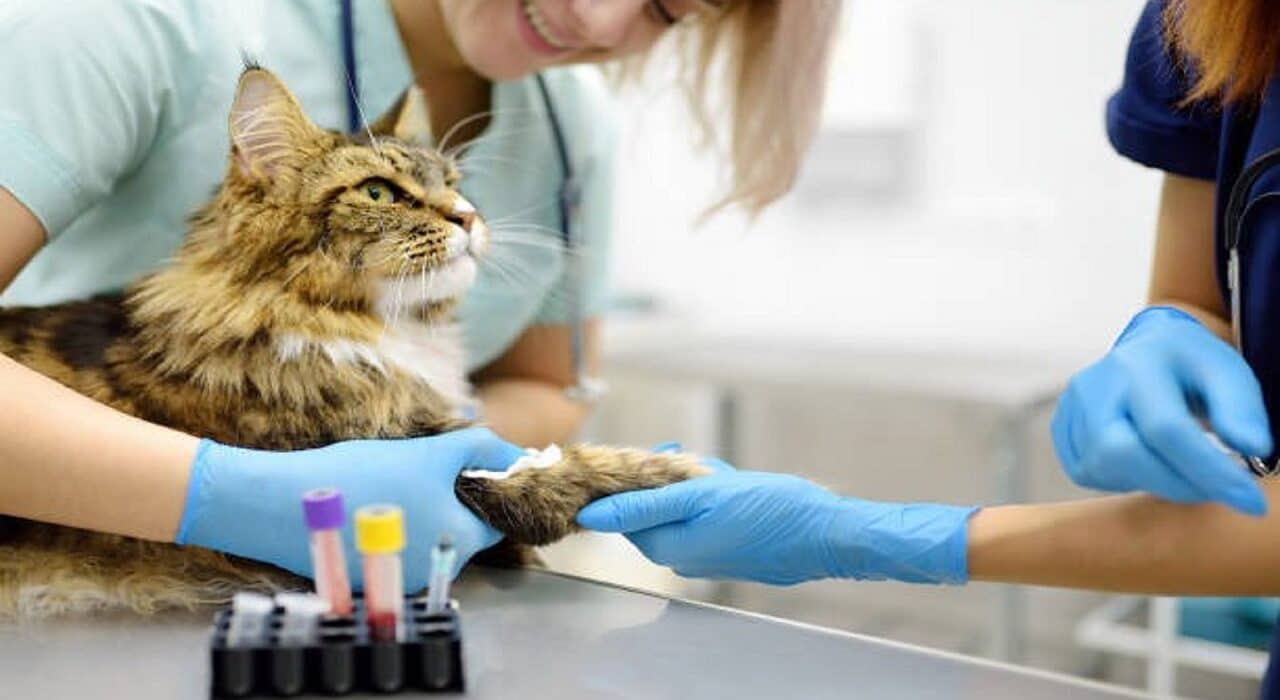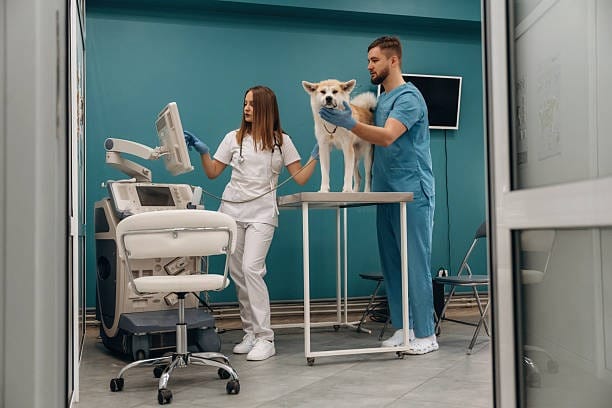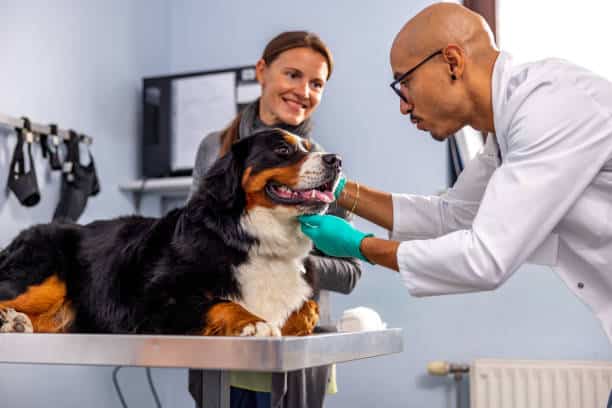
For many pets, a trip to the veterinarian can feel unfamiliar and overwhelming. New smells, unfamiliar faces, and medical procedures often create anxiety for both animals and their owners. Fortunately, modern veterinary practices are transforming the experience by focusing not only on medical excellence but also on creating a calm, welcoming environment. Brittany Glen Animal Hospital is one example of a clinic that recognizes how reducing stress can lead to better health outcomes, easier examinations, and a more positive experience for everyone involved.
Why a Stress-Free Veterinary Visit Matters
Stress affects more than just a pet’s mood. It can influence heart rate, blood pressure, and behavior, making examinations more challenging. A nervous pet may become fearful, hide, or resist handling, preventing veterinarians from performing thorough assessments.
When veterinary visits are designed to minimize anxiety, pets are more cooperative, allowing healthcare professionals to evaluate them accurately. Owners also feel more confident knowing their companions are receiving compassionate care in an environment that prioritizes comfort alongside treatment.
Creating a Calm Environment from the Moment You Arrive
The experience begins long before the examination starts. A welcoming reception area, organized scheduling, and friendly staff help reduce unnecessary waiting times. Soft voices, gentle handling, and patient interactions reassure both pets and their owners that they are in capable hands.
Many veterinary clinics also separate dogs and cats whenever possible to reduce stress caused by unfamiliar animals. Comfortable waiting areas and thoughtful clinic layouts further contribute to a peaceful atmosphere, making visits less intimidating for nervous pets.
The Value of Personalized Veterinary Care
Every pet has a unique personality. Some enjoy meeting new people, while others require extra patience before they feel comfortable. Understanding these differences allows veterinary teams to adjust their approach based on each animal’s needs.
This personalized care includes allowing pets time to explore examination rooms, using positive reinforcement, and handling them gently throughout appointments. Rather than rushing procedures, veterinary professionals focus on building trust, helping pets associate future visits with positive experiences instead of fear.
Comprehensive Services at an Animal Hospital Mississauga Families Trust
Choosing the right animal hospital Mississauga residents can depend on involves more than finding a convenient location. Pet owners should look for facilities that combine preventive care, diagnostics, surgery, dental services, nutritional guidance, and compassionate communication.
Comprehensive care means pets receive consistent attention throughout every stage of life. Whether it’s a routine wellness exam, vaccination appointment, or treatment for an unexpected illness, having access to a full range of veterinary services helps ensure timely care and better long-term health outcomes.
Gentle Handling Makes a Lasting Difference
Veterinary medicine has evolved significantly in recent years, placing greater emphasis on low-stress handling techniques. Instead of forcing frightened animals into uncomfortable positions, trained professionals use calm movements, treats, toys, and reassuring voices to encourage cooperation.
These methods reduce fear while making examinations more accurate. Pets that remain calm are easier to evaluate, allowing veterinarians to detect subtle health concerns that might otherwise be overlooked during a stressful visit.
This patient-centered philosophy reflects the compassionate care provided at Brittany Glen Animal Hospital, where building trust with pets is just as important as delivering high-quality medical treatment.
Helping Pet Owners Prepare Before the Appointment
Reducing stress doesn’t start at the clinic—it begins at home. Owners play an important role in preparing their pets for successful veterinary visits.
Simple strategies include:
- Leaving carriers out several days before appointments so cats become familiar with them.
- Taking dogs on short car rides that don’t always end at the veterinarian.
- Bringing favorite treats or toys for reassurance.
- Remaining calm, as pets often mirror their owner’s emotions.
- Scheduling appointments during quieter times whenever possible.
These small preparations can dramatically improve how pets respond during examinations.
Preventive Care Leads to Better Health
Many illnesses can be managed more effectively when detected early. Regular wellness exams allow veterinarians to monitor weight, dental health, mobility, nutrition, and overall physical condition before small concerns become major medical problems.
An experienced animal hospital Mississauga clinic encourages preventive healthcare because consistent monitoring often reduces emergency visits and supports longer, healthier lives. Vaccinations, parasite prevention, nutritional counseling, and routine bloodwork all contribute to maintaining lifelong wellness.
Preventive care also helps pets become familiar with the veterinary team, making future visits feel less intimidating.
Building Long-Term Relationships with Pets and Families
Excellent veterinary care extends beyond treating illness. It involves educating pet owners, answering questions, and developing long-term healthcare plans tailored to each animal’s age, breed, lifestyle, and medical history.
Over time, these relationships create trust between veterinary professionals and families. Pets recognize familiar faces, owners feel comfortable discussing concerns, and appointments become significantly less stressful.
This commitment to individualized care is one reason many families continue choosing Brittany Glen Animal Hospital throughout every stage of their pets’ lives, from playful puppies and kittens to senior companions requiring specialized support.
Choosing the Right Veterinary Partner
Selecting a veterinary clinic is one of the most important decisions a pet owner can make. Beyond medical expertise, factors such as communication, cleanliness, compassionate staff, modern equipment, and a welcoming environment all contribute to a positive healthcare experience.
A reputable animal hospital should focus on making both pets and owners feel comfortable while providing comprehensive preventive and medical services. When pets associate veterinary visits with kindness rather than fear, they are more likely to receive timely care throughout their lives.
Final Thoughts
Veterinary visits don’t have to be stressful experiences. With thoughtful preparation, gentle handling techniques, and a compassionate healthcare team, routine appointments can become positive opportunities to support lifelong wellness. Brittany Glen Animal Hospital demonstrates how a pet-centered approach can reduce anxiety while delivering exceptional care. When owners choose a trusted veterinary provider that values comfort as much as clinical excellence, every visit becomes another step toward a healthier, happier life for their beloved companions.