
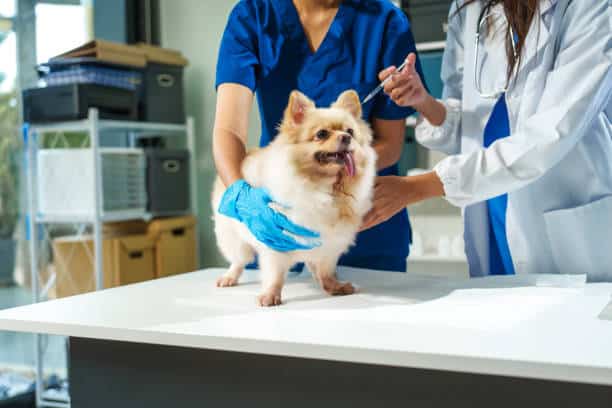
Bringing a puppy home is an exciting experience filled with playful moments, new routines, and plenty of responsibilities. Among the most important aspects of early pet care is protecting your furry companion from preventable diseases. Puppy vaccination plays a vital role in developing immunity while a young dog explores its surroundings and grows. Understanding when vaccinations are needed, how they work, and what to expect during veterinary visits can help pet parents make informed decisions and provide their puppies with a healthier start in life.
1. Why Are Early Vaccinations Important?
Puppies have developing immune systems that may leave them vulnerable to serious infectious diseases. Vaccination helps their bodies recognize specific disease-causing organisms and prepare to fight them effectively. Some infections, including parvovirus and distemper, can cause severe illness, particularly in young dogs. Timely veterinary care reduces these risks and supports responsible pet ownership. Following a veterinarian-recommended vaccination plan also helps protect other dogs in the community by reducing the spread of certain contagious diseases.
2. Understanding Your Puppy’s First-Year Schedule
A puppy’s vaccination schedule generally begins at around six to eight weeks of age, although the timing depends on maternal antibodies, health status, local disease risks, and veterinary guidance. Initial doses are usually repeated every two to four weeks until approximately 16 weeks of age or as advised by the veterinarian. Some vaccines for animals require later booster doses to maintain protection. Keeping a written record of every appointment helps prevent missed doses and makes it easier to plan future visits.
A typical schedule may include:
- 6–8 weeks: Initial core vaccinations, depending on veterinary advice.
- 10–12 weeks: Follow-up doses to strengthen the immune response.
- 14–16 weeks: Additional doses as recommended for adequate protection.
- Around one year: Booster vaccinations based on the puppy’s earlier doses and local guidelines.
3. Which Vaccines Does Your Puppy Need?
Not every puppy requires an identical vaccination plan. Core vaccines protect against diseases considered important because of their severity, contagiousness, or wider public health significance. Other vaccines may be recommended according to geographical location, lifestyle, and exposure to particular animals. Your veterinarian can determine the appropriate combination based on your puppy’s medical history. Discussing local disease patterns is especially useful when deciding which preventive measures are necessary.
Common vaccinations your veterinarian may discuss include:
- Distemper: Helps protect against a serious viral disease affecting multiple body systems.
- Parvovirus: Helps prevent a highly contagious infection that can cause severe gastrointestinal illness.
- Adenovirus: Protects against infections associated with canine hepatitis and related disease.
- Rabies: Protects against a fatal viral disease and may be legally required.
- Additional vaccines: Leptospirosis, kennel cough, or other options may be appropriate depending on local risks and lifestyle.
4. Preparing for a Veterinary Vaccination Visit
A little preparation can make vaccination appointments more comfortable for both puppies and their owners. Before the puppy vaccination, gather any available medical records and note changes in appetite, energy, digestion, or behavior. Tell the veterinarian about previous illnesses, medications, and possible exposure to sick animals. Healthy puppies can generally receive vaccinations according to their planned schedule, but a veterinary assessment helps determine whether any adjustment is needed. Avoid giving medications or home remedies without professional advice.
Before leaving home, remember to:
- Carry previous vaccination and deworming records.
- Use a secure carrier or leash appropriate for your puppy.
- Ask about the next appointment and recommended boosters.
- Discuss safe socialization while vaccinations are underway.
5. What to Expect After Vaccination
Most puppies tolerate vaccinations well, although mild, temporary reactions can occur. These may include tenderness around the injection site, reduced activity, slight fever, or a lower appetite for a short period. Provide fresh water, a comfortable resting place, and gentle supervision after the appointment. Contact your veterinarian if symptoms persist, worsen, or cause concern. Facial swelling, difficulty breathing, collapse, or repeated vomiting can indicate a serious reaction and require immediate veterinary attention.
Remember that immunity does not develop instantly after a vaccine. Ask your veterinarian when your puppy can safely visit public spaces, interact with unfamiliar dogs, or attend group training sessions.
6. Building Lifelong Protection Beyond the First Year
Preventive care should continue after the initial vaccination series is complete. Adult dogs may need boosters at specific intervals, while some vaccines are administered annually and others less frequently, depending on the product, local regulations, and individual risk. Regular veterinary checkups also provide opportunities to discuss parasite prevention, nutrition, dental health, and behavior. Responsible owners should understand that vaccines for animals are part of a wider healthcare plan rather than a replacement for routine examinations and good daily care.
Maintain your puppy’s health by:
- Keeping vaccination records updated.
- Scheduling routine veterinary examinations.
- Following professional advice about boosters.
- Limiting exposure to potentially infectious environments when protection is incomplete.
Conclusion
Your puppy’s first year lays the foundation for a healthier future. By understanding vaccination schedules, recognizing possible reactions, and maintaining regular veterinary appointments, you can help your companion grow with greater protection against preventable diseases. Remember that puppy vaccination should always follow an individualized plan developed with a qualified veterinarian. Staying informed about vaccines for animals also helps pet parents make responsible choices throughout their dogs’ lives. With consistent preventive care, patience, and attention, you can give your puppy a strong start toward a happy and active life.