#BrittanyGlenAnimalHospital

vet clinics near me

Veterinarian Mississauga: Protecting Your Pet from Winter Salt, Ice, and Cold Snaps

When the first snowfall hits Mississauga, most of us reach for boots and heavy coats. Our pets, however, face the cold with bare paws and thin fur. Road salt, hidden ice, and sudden temperature drops can quietly injure even the healthiest dog or cat. Knowing the risks helps you act early. This guide, shared from the perspective of a trusted veterinarian Mississauga families rely on, explains the main winter dangers and the practical steps that keep your companion safe, comfortable, and happy until spring arrives.

Why Winter Is Harder on Pets Than You Think

Mississauga winters swing between damp, slushy days and bitter cold snaps well below freezing. Many owners assume a fur coat provides enough protection, but short-haired breeds, small dogs, senior pets, and cats that roam outdoors lose body heat quickly. Wind chill makes things worse, and wet fur loses its insulating power. Even a short walk can become uncomfortable, or dangerous, when temperatures plunge. Paying attention to your pet’s age, coat, and health conditions helps you decide how long outdoor time should last and when staying warm indoors is the wiser choice.

Road Salt: The Hidden Paw Irritant

Road salt keeps sidewalks safe for people, yet it burns sensitive paw pads and cracks skin between the toes. Pets then lick their feet, swallowing chemicals that upset the stomach and may cause vomiting or excessive thirst. If irritation lingers, searching for vet clinics near me can lead you to a team that treats paw wounds and checks for toxicity. Rinse paws with lukewarm water after every walk, dry them thoroughly, and watch for limping, redness, or constant licking. Check pads daily for cracks or small cuts from frozen ground.

Simple paw-protection habits:

  • Apply pet-safe paw balm before walks
  • Use dog booties for longer outings
  • Wipe paws and belly with a damp cloth at the door
  • Trim fur between toes to prevent ice balls
  • Choose pet-safe ice melt for your own driveway

Ice and Slips: Preventing Winter Injuries

Ice hides under fresh snow, and one awkward slip can cause sprains, torn ligaments, or fractures. Older pets and those with arthritis are especially vulnerable. Keep walks on cleared paths, shorten outings, and avoid frozen ponds, since thin ice can give way without warning. Use a leash on slick days so you can steer clear of hazards. If your pet yelps, limps, or refuses to put weight on a leg, book an exam with a veterinarian Mississauga residents recommend. Early assessment prevents minor injuries from becoming long-term mobility problems, and pain relief can make recovery far more comfortable.

Cold Snaps: Frostbite and Hypothermia

During extreme cold, hypothermia and frostbite develop faster than many owners expect. Ears, tails, and paws are most at risk. Limit outdoor time to brief bathroom breaks when temperatures dip sharply, and never leave pets in a parked car. Dress short-coated dogs in a snug, dry sweater or jacket. Bring outdoor cats inside, or provide an insulated shelter with straw rather than blankets, which trap moisture. Towel-dry your pet after snowy walks, because wet fur loses warmth quickly. Remember that your pet’s comfort matters more than keeping a usual routine on the coldest days.

Warning signs of cold stress:

  • Shivering that does not stop
  • Pale, gray, or hard skin on ears, tail, or paws
  • Weakness, slow movement, or drowsiness
  • Whining or reluctance to keep walking

Antifreeze and Other Winter Toxins

Antifreeze tastes sweet to animals yet is extremely toxic, and even a small amount can cause kidney failure. Spills from vehicles in garages and driveways are common in winter. Wipe up leaks immediately and store containers securely. If you suspect ingestion, don’t wait for symptoms. Look up vet clinics near me and call right away, as fast treatment dramatically improves survival. Also keep rock salt, ice melt, and holiday plants like poinsettia out of reach, since many cause digestive upset or worse. Pet-safe antifreeze products are a better choice.

Indoor Winter Care Matters Too

Indoor heating dries the air, leading to itchy skin, flaky coats, and static-prone fur. Brush regularly, avoid over-bathing, and consider a humidifier. Pets often burn fewer calories in winter, so measure meals carefully to prevent weight gain, though outdoor animals may need extra food to stay warm. Keep fresh water available, and provide a cozy bed away from drafts and direct heaters. Mental stimulation matters too: puzzle feeders, short training sessions, and indoor play keep energetic pets happy when long walks aren’t possible.

When to Book a Winter Checkup

Winter is an ideal time for a wellness check, especially for seniors and pets with arthritis, heart, or kidney conditions. A professional exam can catch problems early and adjust diets, medications, and exercise plans for colder months. Booking with a dependable veterinarian Mississauga pet owners trust gives you personalized advice for your animal’s breed and age. Don’t postpone vaccinations or parasite prevention either, because fleas, ticks, and intestinal parasites can still pose risks during milder winter stretches.

Final Thoughts

Winter doesn’t have to keep your pet indoors or uncomfortable. With paw care, careful walks, safe products, and attentive monitoring, you can enjoy the season together. If you ever feel unsure about a symptom, searching for vet clinics near me is a smart first step toward fast answers and peace of mind. Small daily habits add up to a healthier, happier winter. Stay warm, stay alert, and give your furry family member the protection they deserve all season long.

Brittany Glen Animal Hospital

The Year-Round Checklist for Immunization and Wellness Care for Pets

Pets cannot tell us when something feels wrong, which makes planning ahead one of the kindest things an owner can do. A simple calendar of vaccines, exams, parasite control, and home checks turns good intentions into steady habits. This guide walks you through every season so nothing slips by. Whether you share your home with a playful puppy, a curious kitten, or a dignified senior, a clear plan for immunization and wellness care for pets keeps small concerns from becoming expensive emergencies and gives your companion more happy, active years beside you.

Spring: Reset and Prevent

Spring is the ideal moment to reset your pet’s health routine after winter. Schedule an annual exam with your veterinary team, such as the doctors at Brittany Glen Animal Hospital, who can review vaccine records, weight, dental health, and mobility in one visit. Warmer weather also wakes up fleas, ticks, and mosquitoes, so prevention should begin early. Bring a list of questions, notes about appetite or energy changes, and any medications your pet currently takes so nothing important is overlooked during the appointment.

Spring checklist:

  • Annual physical exam and core vaccine review
  • Start flea, tick, and heartworm prevention
  • Heartworm testing for dogs
  • Dental health check and stool sample test

Summer: Travel, Play, and Heat Safety

Summer brings travel, boarding, parks, and plenty of outdoor adventures, all of which expose pets to new germs and hazards. Confirm that vaccines such as bordetella and leptospirosis are current before kennel stays or group activities. Heat safety matters just as much, because pets overheat faster than people realize. Provide shade, fresh water, and cool rest breaks, and never leave an animal in a parked car. Check paws on hot pavement, and watch for heavy panting, drooling, or sudden weakness that could signal heatstroke.

Summer checklist:

  • Update bordetella and leptospirosis protection
  • Carry water and offer shade on every outing
  • Keep microchip and ID tag details current

Fall: Catch Up Before the Cold

As temperatures drop, pets often settle into more indoor time, making autumn a smart season for catching up on anything missed earlier. This is the perfect time to confirm that immunization and wellness care for pets in your household is complete, including rabies boosters and any lifestyle vaccines your veterinarian recommends. Fall is also a good moment for a dental cleaning discussion, since oral disease quietly affects the heart and kidneys. Review your pet’s diet as activity levels shift, and ask whether adjusting portions could prevent winter weight gain.

Fall checklist:

  • Rabies and other booster check
  • Dental exam or professional cleaning
  • Weight and nutrition review

Winter: Comfort and Protection

Cold weather brings its own risks, from antifreeze exposure to holiday foods that upset sensitive stomachs. Pets with arthritis may stiffen up, so gentle indoor exercise and warm bedding help. Winter is also a quiet season for appointments, which makes it a convenient time to book senior screenings or follow-up bloodwork. The caring team at  Brittany Glen Animal Hospital can help you build a cold-season plan that supports joints, skin, and overall comfort. Keep parasite prevention going year-round, because fleas and intestinal worms can survive indoors.

Winter checklist:

  • Wipe paws after walks to remove salt and chemicals
  • Store antifreeze and holiday treats securely
  • Schedule senior bloodwork and joint assessments

Your Monthly At-Home Health Check

Professional exams work best alongside small habits at home. A few minutes each month lets you notice changes long before they become serious. Set a reminder on the same date, choose a quiet moment, and gently look over your pet from nose to tail. Record anything unusual with a photo or short note, since patterns are easier for your veterinarian to interpret than memories. Consistency matters more than perfection, and your pet will likely enjoy the extra attention.

What to check:

  • Eyes, ears, teeth, and gums for redness, discharge, or odor
  • New lumps, bumps, or sore spots on the skin
  • Weight, appetite, thirst, and energy levels
  • Nail length and coat condition

Adjusting the Checklist by Life Stage

A checklist should grow with your companion. Puppies and kittens need a series of vaccines every few weeks, plus deworming and early socialization. Adults thrive on annual exams and steady boosters. Seniors benefit from twice-yearly visits, since age-related conditions often develop quietly. Discussing immunization and wellness care for pets at each stage ensures protection matches real risk, whether your animal lives indoors, hikes on weekends, or boards regularly. Your veterinarian can tailor timing, so never rely on generic schedules found online.

Quick guide:

  • Puppies and kittens: vaccine series, deworming, spay or neuter planning
  • Adults: annual exam, boosters, dental care, weight management
  • Seniors: twice-yearly visits, bloodwork, mobility and comfort support

Make This Your Healthiest Year Yet

Healthy pets are rarely the result of luck; they come from small, repeated actions across the calendar. Print this checklist, mark your dates, and share it with everyone in your household. When questions arise, partner with a clinic that knows your pet’s history, such as  Brittany Glen Animal Hospital, and book your next visit today. A few appointments each year are a small price for the comfort, confidence, and companionship a healthy pet brings.

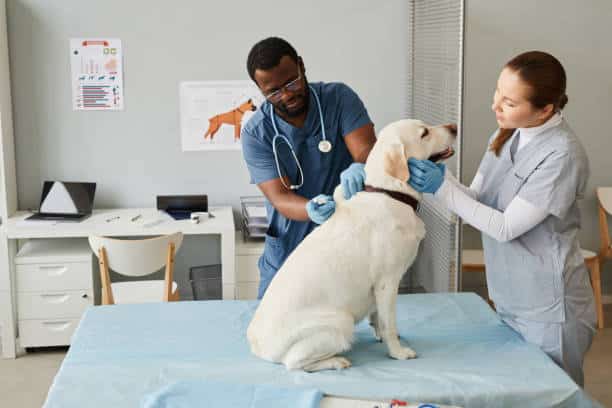
Two veterinarians in scrubs examining a yellow Labrador on an exam table

Phone Call Test: How to Screen Vet Clinics Near Me Without Leaving the House

You type your pet’s symptoms into a search bar, scroll through a dozen listings, and realize every clinic looks equally friendly online. Ratings and photos only tell part of the story. A short phone call reveals far more about how a practice treats animals, communicates with owners, and handles pressure. Before you book anything, spend ten minutes dialing. This guide shows you exactly what to ask, what to listen for, and how to compare the answers. Think of it as your screening tool for vet clinics near me, built for busy pet owners.

1. Prepare Before You Dial

A good call starts with preparation. Write down your pet’s species, breed, age, and any ongoing health concerns so you can describe your situation clearly. Choose a time outside the morning rush, since front desks are busiest when doors open. Keep a pen nearby to record names, prices, and appointment windows. Calling three or four practices back to back lets you compare answers while they are fresh in your mind. Preparation also helps when comparing vet clinics near me, because identical questions produce comparable answers. This small habit makes every conversation more productive.

  • Your pet’s age, breed, and medical history
  • Your top three questions
  • A comparison note for each clinic

2. Listen to How They Answer the Phone

The first ten seconds matter. Notice whether the receptionist sounds rushed, warm, or dismissive, because that tone usually reflects the clinic’s culture. A helpful team member will welcome questions, explain next steps, and avoid making you feel like an interruption. If you are placed on hold for several minutes without an update, take note. Good practices understand that worried owners need reassurance. Pay attention to whether staff use your pet’s name once you share it, which shows genuine attention rather than a scripted response. Courtesy at this stage predicts courtesy later.

  • A friendly, unhurried greeting
  • Clear answers without confusing jargon
  • Willingness to listen fully

3. Ask About Services and Availability

Next, confirm the basics for each of the vet clinics near me on your shortlist. Ask which species the doctors see, whether they perform surgery on-site, and how soon new patients can be seen. Find out if they offer same-day sick visits, since waiting a week is unrealistic when your pet is unwell. Ask about diagnostics too, such as bloodwork and X-rays, and whether results are available in-house. A clinic that handles most needs under one roof saves you stress, travel, and repeated explanations when something unexpected comes up. Convenience matters more than most owners expect.

  • Species treated and surgery options
  • Wait time for new-patient appointments
  • Hours, including weekday evenings and Saturday, and how to request an urgent or same-day visit during clinic hours

4. Discuss Costs Openly

Pricing questions are perfectly reasonable on a first call. Ask for the typical cost of a wellness exam, core vaccines, and a basic dental cleaning. Request a range rather than an exact figure, since final bills depend on your pet’s needs. Ask whether deposits are required and which payment methods are accepted. Honest clinics share numbers calmly and explain what is included, which sets the best vet clinics near me apart. If staff avoid the topic or sound irritated, that reluctance may foreshadow confusing invoices later, which is worth knowing before you commit. Clarity now prevents disputes later.

  • Exam and vaccine price ranges
  • Deposit and payment policies
  • Insurance and wellness plan acceptance

5. Check Their Approach to Care

Philosophy matters as much as price. Ask how the clinic handles anxious animals, whether doctors take time to explain treatment options, and how follow-up questions are managed after a visit. Some practices offer low-stress handling techniques, while others prioritize speed. Neither is wrong, but you should choose the style that suits your pet’s personality. Also ask whether you can speak with the veterinarian directly or whether messages go through technicians. Clear communication channels prevent frustration when you need guidance quickly, whichever of the vet clinics near me you ultimately choose. Temperament should guide your choice.

  • How nervous pets are handled
  • Direct access to the veterinarian
  • Process for follow-ups and test results

6. Compare and Decide

After your calls, review your notes while impressions are fresh. Score each practice on friendliness, availability, transparency, and communication, using a simple one-to-five scale. Add up the totals, but trust your instincts too; a clinic with a slightly lower score may still feel right. Then visit your top choice for a quick tour or a basic checkup before an emergency arises. Familiarity with the building, staff, and process makes future visits calmer for both you and your pet. Keep your notes in one place so decisions stay easy as your pet’s needs change over time.

  • Friendliness: 1 to 5
  • Availability: 1 to 5
  • Transparency and cost clarity: 1 to 5
  • Communication: 1 to 5

Final Thoughts

A five-minute call can save you months of regret. By preparing questions, listening closely, and comparing answers fairly, you move beyond glossy photos and star ratings toward a clinic that truly fits your household. Save the numbers of your top two choices in your phone today, long before you need them. Whenever you search for vet clinics near me again, whether for yourself or a friend, you will know exactly how to separate polished marketing from real care. Your pet deserves that diligence, and so do you.

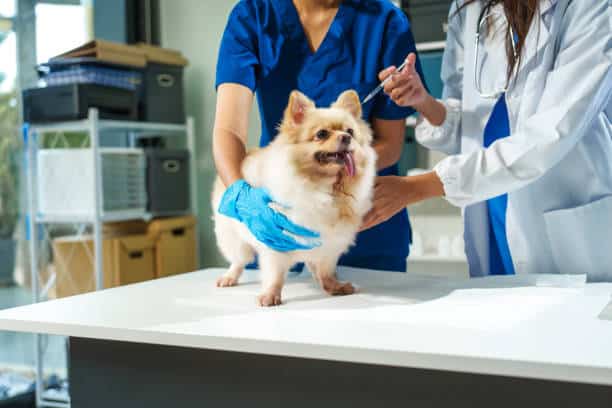
Puppy Vaccination

The First-Year Guide to Puppy Vaccination Every Owner Needs

Bringing a puppy home is an exciting experience filled with playful moments, new routines, and plenty of responsibilities. Among the most important aspects of early pet care is protecting your furry companion from preventable diseases. Puppy vaccination plays a vital role in developing immunity while a young dog explores its surroundings and grows. Understanding when vaccinations are needed, how they work, and what to expect during veterinary visits can help pet parents make informed decisions and provide their puppies with a healthier start in life.

1. Why Are Early Vaccinations Important?

Puppies have developing immune systems that may leave them vulnerable to serious infectious diseases. Vaccination helps their bodies recognize specific disease-causing organisms and prepare to fight them effectively. Some infections, including parvovirus and distemper, can cause severe illness, particularly in young dogs. Timely veterinary care reduces these risks and supports responsible pet ownership. Following a veterinarian-recommended vaccination plan also helps protect other dogs in the community by reducing the spread of certain contagious diseases.

2. Understanding Your Puppy’s First-Year Schedule

A puppy’s vaccination schedule generally begins at around six to eight weeks of age, although the timing depends on maternal antibodies, health status, local disease risks, and veterinary guidance. Initial doses are usually repeated every two to four weeks until approximately 16 weeks of age or as advised by the veterinarian. Some vaccines for animals require later booster doses to maintain protection. Keeping a written record of every appointment helps prevent missed doses and makes it easier to plan future visits.

A typical schedule may include:

  • 6–8 weeks: Initial core vaccinations, depending on veterinary advice.
  • 10–12 weeks: Follow-up doses to strengthen the immune response.
  • 14–16 weeks: Additional doses as recommended for adequate protection.
  • Around one year: Booster vaccinations based on the puppy’s earlier doses and local guidelines.

3. Which Vaccines Does Your Puppy Need?

Not every puppy requires an identical vaccination plan. Core vaccines protect against diseases considered important because of their severity, contagiousness, or wider public health significance. Other vaccines may be recommended according to geographical location, lifestyle, and exposure to particular animals. Your veterinarian can determine the appropriate combination based on your puppy’s medical history. Discussing local disease patterns is especially useful when deciding which preventive measures are necessary.

Common vaccinations your veterinarian may discuss include:

  • Distemper: Helps protect against a serious viral disease affecting multiple body systems.
  • Parvovirus: Helps prevent a highly contagious infection that can cause severe gastrointestinal illness.
  • Adenovirus: Protects against infections associated with canine hepatitis and related disease.
  • Rabies: Protects against a fatal viral disease and may be legally required.
  • Additional vaccines: Leptospirosis, kennel cough, or other options may be appropriate depending on local risks and lifestyle.

4. Preparing for a Veterinary Vaccination Visit

A little preparation can make vaccination appointments more comfortable for both puppies and their owners. Before the puppy vaccination, gather any available medical records and note changes in appetite, energy, digestion, or behavior. Tell the veterinarian about previous illnesses, medications, and possible exposure to sick animals. Healthy puppies can generally receive vaccinations according to their planned schedule, but a veterinary assessment helps determine whether any adjustment is needed. Avoid giving medications or home remedies without professional advice.

Before leaving home, remember to:

  • Carry previous vaccination and deworming records.
  • Use a secure carrier or leash appropriate for your puppy.
  • Ask about the next appointment and recommended boosters.
  • Discuss safe socialization while vaccinations are underway.

5. What to Expect After Vaccination

Most puppies tolerate vaccinations well, although mild, temporary reactions can occur. These may include tenderness around the injection site, reduced activity, slight fever, or a lower appetite for a short period. Provide fresh water, a comfortable resting place, and gentle supervision after the appointment. Contact your veterinarian if symptoms persist, worsen, or cause concern. Facial swelling, difficulty breathing, collapse, or repeated vomiting can indicate a serious reaction and require immediate veterinary attention.

Remember that immunity does not develop instantly after a vaccine. Ask your veterinarian when your puppy can safely visit public spaces, interact with unfamiliar dogs, or attend group training sessions.

6. Building Lifelong Protection Beyond the First Year

Preventive care should continue after the initial vaccination series is complete. Adult dogs may need boosters at specific intervals, while some vaccines are administered annually and others less frequently, depending on the product, local regulations, and individual risk. Regular veterinary checkups also provide opportunities to discuss parasite prevention, nutrition, dental health, and behavior. Responsible owners should understand that vaccines for animals are part of a wider healthcare plan rather than a replacement for routine examinations and good daily care.

Maintain your puppy’s health by:

  • Keeping vaccination records updated.
  • Scheduling routine veterinary examinations.
  • Following professional advice about boosters.
  • Limiting exposure to potentially infectious environments when protection is incomplete.

Conclusion

Your puppy’s first year lays the foundation for a healthier future. By understanding vaccination schedules, recognizing possible reactions, and maintaining regular veterinary appointments, you can help your companion grow with greater protection against preventable diseases. Remember that puppy vaccination should always follow an individualized plan developed with a qualified veterinarian. Staying informed about vaccines for animals also helps pet parents make responsible choices throughout their dogs’ lives. With consistent preventive care, patience, and attention, you can give your puppy a strong start toward a happy and active life.

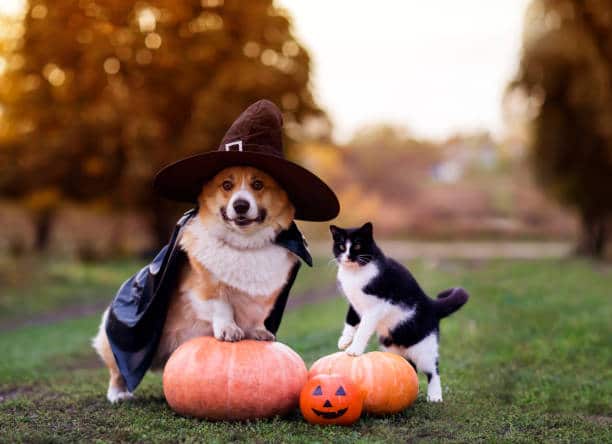
Pet Halloween Costumes

Pet Halloween Costumes That Won’t Make Your Furry Friend Hate You

Every October, the same scene plays out in living rooms everywhere: a hopeful owner holding a tiny pumpkin outfit and a pet who has already vanished under the sofa. Choosing pet Halloween costumes should be fun for everyone, not a wrestling match. The secret is thinking like your animal first and like a photographer second. This guide covers comfort, safety, and style, with ideas that work well beyond dogs and cats, because costumes for animals deserve the same thoughtful planning whatever the species.

Start With Your Pet’s Personality

Before you buy anything, watch how your companion reacts to being handled. A confident, social animal may happily tolerate a full outfit, while a nervous one might only manage a light accessory. Browsing pet costumes is easier once you know which group yours falls into. Forcing a reluctant animal into an elaborate look creates stress, and stressed pets rarely pose nicely. Match the outfit to the temperament and you will both enjoy the evening far more than expected.

  • Relaxed body language: loose tail, soft eyes, willing to be touched all over
  • Warning signs: freezing, lip licking, pinned ears, or trying to hide
  • Best for shy pets: bandanas, bow ties, or a simple collar charm

Put Safety and Comfort First

The best dog Halloween costumes are never the most elaborate ones; they are the ones your dog can walk, sniff, sit, and breathe in without any trouble. Check that nothing covers the eyes, ears, or nose, and avoid dangling parts that could be chewed or swallowed. Allow a quick try-on days ahead of the event so the outfit feels familiar. Good costumes should always be removable in seconds if your companion becomes distressed or overheated.

  • Skip small buttons, beads, or bells that could become choking hazards
  • Choose breathable fabrics like cotton or fleece, never stiff plastic
  • Keep costume time short, ideally under an hour, with water within reach
  • Supervise constantly, especially around open flames and candy bowls

Think Beyond Dogs and Cats

Rabbits, guinea pigs, ferrets, and even birds can join the festivities, though their needs differ greatly. Small, delicate bodies overheat quickly and tend to panic when restricted, so simplicity wins. When shopping for costumes for animals outside the usual dog and cat range, look for lightweight hats, tiny capes, or soft collars instead of full bodysuits. Honestly, a few minutes of calm posing with a favourite treat beats an hour of struggling in something unsuitable.

  • Rabbits: a tiny hat or bow tie, never anything around the neck that tightens
  • Ferrets: stretchy harness-style outfits that allow free movement
  • Birds: skip clothing entirely and use a themed perch decoration instead

Pick a Size That Actually Fits

Poor fit ruins more outfits than bad taste ever could. Measure your pet’s neck, chest, and back length with a soft tape, then compare the numbers to the size chart rather than guessing by weight. Many pet costumes run small, so choose the larger size when you fall between two. The garment should sit snugly without pressing, and you should easily slide two fingers underneath. Always check that the legs, tail, and belly are free to move naturally.

  • Neck: measure at the base where a collar normally sits
  • Chest: wrap around the widest part behind the front legs
  • Length: run from the collar to the base of the tail

Easy Looks That Always Win

Simple concepts photograph beautifully and keep your companion relaxed. Classic ideas still dominate the list of best dog halloween costumes, including pumpkins, hot dogs, lions, and tiny witches. If you enjoy crafting, an old T-shirt, felt scraps, and fabric glue can produce charming results in minutes. Homemade pet halloween costumes also let you adjust every detail for comfort, which store-bought versions rarely allow. Keep the design lightweight, colourful, and easy to remove.

  • Pumpkin: an orange felt vest with a small green stem hat
  • Superhero: a simple cape fastened with Velcro
  • Ghost: a white bandana printed with a friendly ghost face

Plan Around Trick-or-Treaters and Treats

Halloween night brings doorbells, strangers in masks, and piles of tempting sweets, which can overwhelm even a confident animal. Decide beforehand whether your companion will join the walk or stay somewhere calm and quiet. Keep chocolate, raisins, and sugar-free sweets well out of reach, since they are toxic to many animals. If you do head outside, use a secure harness, add reflective strips, and carry plenty of water for the journey.

  • Toxic treats: chocolate, raisins, xylitol, and candy wrappers
  • Noise stress: create a quiet room with a bed and a chew toy
  • Night safety: reflective gear and an ID tag with current contact details

Capture the Perfect Photo

Photos are where all the effort pays off, so keep the session short and positive. Use natural window light, get down to eye level, and have treats ready to hold attention. When planning costumes for animals of several species, photograph each one separately, because patience matters more than gear. Take a handful of quick frames, then remove the outfit and reward your friend. Sharing your favourite pet costumes online is far more satisfying when the star looked happy.

  • Shoot in daylight and avoid flash, which can startle animals
  • Use a squeaky toy or treat just above the lens
  • Stop as soon as your pet shows signs of boredom or stress

Final Thoughts

Halloween should leave your companion happy, not traumatised. Put comfort first, measure carefully, and let your animal’s personality guide every choice. Whether you craft something at home or browse shops for the best dog halloween costumes, the goal is the same: a safe, joyful evening with plenty of treats. Take your time, stay flexible, and remember that sometimes a simple bandana is the winning look. Happy Halloween to you and your four-legged, feathered, or furry family.

Veterinary Specialty Hospital

Beyond Five-Star Reviews: What to Look For in a Vet Hospital

When your dog or cat seems very unwell, it is easy to search for a nearby vet hospital and find dozens of listings, nearly all of them glowing with five stars. So how do you know which one will actually help your pet? Look at how the clinic handles sick visits during its hours, then call while it is open so the team can help you decide what to do next.

Star ratings are a starting point, not a verdict. Finding a good vet hospital means looking at what reviews rarely capture: speed, skill, equipment, and how well the team talks to you. Here’s what to look for when you compare clinics.

Why Five Stars Only Tell Part of the Story

Reviews are written in the heat of emotion. A grateful owner whose dog pulled through will rave about it. A warm receptionist can earn praise even when the medical care was average.

Ratings capture how people felt, not always how well pets were treated. Use them as one clue among many, never as the whole answer.

Triage: A Sign of a Well-Run Vet Hospital

A well-run clinic does not always see pets first-come, first-served. Sick or urgent cases should be assessed and sorted by how quickly they need care.

A choking puppy goes ahead of a minor cut, even if the cut arrived first. If you ask how triage works and get a clear, confident answer, that’s a very good sign.

Doctors Who Regularly See Sick Pets

Seeing suddenly sick pets takes practice. Veterinarians who regularly treat poisonings, trauma, seizures, and bloat build fast, calm decision-making. Ask how the clinic handles urgent and same-day visits during its hours.

Look for a team that regularly sees sick dogs and cats and can explain how urgent visits work during clinic hours. Evening or Saturday hours are helpful, but they are not the same as overnight care. Brittany Glen Animal Hospital does not offer after-hours care. We see urgent and same-day visits during clinic hours: Monday to Friday 9 AM to 8 PM and Saturday 10 AM to 5 PM. Call (905) 814-1717 while we are open, or read about urgent and same-day vet care in Mississauga.

Equipment That Changes Outcomes

In-house diagnostics save precious minutes. When results come back on-site, treatment starts sooner. A well-equipped clinic usually offers:

  • Digital X-ray and ultrasound
  • On-site bloodwork with rapid results
  • Oxygen therapy and ventilator support
  • A surgical suite for procedures performed at the clinic

If your pet must be sent elsewhere for basic tests, valuable time disappears.

When a Specialist May Be Needed

Some urgent problems need more than a first exam and initial treatment. A ruptured disc, a failing heart, or a sudden neurological episode may call for a surgeon, cardiologist, or neurologist.

If a specialist is needed, ask how our vet clinic shares records and coordinates the next step so tests are not repeated and details are not lost. That kind of follow-through rarely shows up in star ratings, yet it can shape the outcome.

Communication Under Pressure

Fear makes it hard to absorb information. Great teams slow down and explain:

  • What they think is wrong
  • What they plan to do next
  • What each option involves
  • What it will likely cost

They call with updates instead of leaving you to wonder. Notice whether staff speak to you with patience and respect, even while you’re panicking. That tone matters.

Transparent Pricing Without Surprises

Care for a suddenly sick pet can be expensive, and honesty about money is a sign of respect. Great hospitals provide written estimates before treatment begins.

They also discuss alternatives without judgment. Vague answers or surprise fees are red flags. The goal is protecting your pet while respecting your budget.

Know the Clinic’s Hours Before You Need Them

Ask when veterinarians are actually at the clinic, and what the hours are, before you need a sick visit. Brittany Glen Animal Hospital does not offer overnight or after-hours care. We are open Monday to Friday 9 AM to 8 PM and Saturday 10 AM to 5 PM, and we are closed on Sunday. Call (905) 814-1717 during those hours, or read about urgent and same-day vet care in Mississauga.

The best time to learn a clinic’s hours is before a problem starts. Save the number (905) 814-1717 and remember that urgent and same-day visits at Brittany Glen Animal Hospital are only available during clinic hours.

A Calm Environment Helps Healing

Stress slows recovery. Great hospitals separate nervous cats from barking dogs and offer quiet spaces for families.

Small touches count too: soft bedding, gentle handling, and staff who crouch down to a frightened animal’s level. These details show a culture of care.

Continuity After the Crisis

Care does not end when your pet is stable enough to go home. A good clinic explains home care step by step, schedules rechecks, and follows up. If your pet already has another veterinarian, detailed notes should be shared so treatment can continue smoothly.

If a specialist is needed, ask how records will be shared so your pet can move into the next stage of treatment without repeating tests or losing details.

Prepare Before You Need One

The worst time to research is during the crisis. Do the groundwork on a calm weekend:

  1. Save the hospital’s number and address in your phone
  2. Note the drive time from home
  3. Keep a folder with vaccination records and a medication list
  4. Store a poison control number alongside it
  5. Pack a blanket and a small carrier or leash by the door

Anyone who waits until a pet is already sick to look up a clinic number is already stressed. Save Brittany Glen Animal Hospital’s number, (905) 814-1717, and our hours, and use them during clinic hours. You can also keep a link to urgent and same-day vet care in Mississauga.

Questions Worth Asking Before You Choose

A quick call or visit can reveal a lot. Ask:

  • What are your hours, and can I request an urgent or same-day visit while you are open?
  • How do you decide who is seen first?
  • Which tests can you run without sending us elsewhere?
  • If my pet needs a specialist, how do you handle that referral and share records?
  • Will I receive a written estimate before treatment?

Calm, specific answers suggest a team that has built real systems. Hesitation or vague replies suggest the opposite.

Final Thoughts

Five-star ratings feel reassuring, but they can’t tell you how fast a team triages, how deep their equipment runs, or whether a specialist is down the hall. Those are the things that quietly decide outcomes.

A strong vet hospital pairs experienced doctors, in-house diagnostics, honest communication, and a clear plan for follow-up care. Look past the stars, ask these questions now, and call during clinic hours if your dog or cat needs to be seen. To book, call (905) 814-1717 or read about urgent and same-day vet care in Mississauga.

pet microchipping mississauga

Pet Microchipping Mississauga: How to Register and Maintain Your Pet’s Details

Losing a pet can be stressful, especially when there is no reliable way to identify them. A microchip provides a permanent form of identification that can help reunite lost pets with their owners.

However, getting a chip implanted is only the beginning. Proper registration and accurate contact information are equally important. For local pet owners, pet microchipping Mississauga can be an important part of a responsible pet-safety plan.

What Is a Pet Microchip?

A pet microchip is a tiny electronic identification device, usually about the size of a grain of rice. It is placed under a pet’s skin during a quick procedure performed by a veterinary professional. The chip carries a unique identification number. When scanned with a compatible reader, this number can be connected to the owner information stored in the appropriate database.

Unlike collars and tags, a microchip stays with the pet and cannot simply fall off. This makes pet microchipping a useful form of permanent identification for dogs and cats.

Why Is Microchip Registration Important?

A microchip is most useful when its registration information is accurate and current. Without updated owner details, finding a pet’s family can become much more difficult. The chip itself does not typically contain your phone number or address. Instead, its unique identification number is connected to a database containing your contact information.

If a lost pet is taken to a veterinary clinic, shelter, or animal-care facility, staff can scan the chip and use the registered information to try to contact the owner.

Register Your Pet’s Microchip

After your pet receives a microchip, ask the provider which database the chip should be registered with and whether the registration has already been completed. Keep important information available, including your pet’s name, microchip number, current phone number, email address, home address, and emergency contact details.

Double-check every detail before completing the registration. Accurate records are an essential part of making pet microchipping Mississauga effective over the long term.

Keep Your Contact Details Updated

One of the biggest advantages of a microchip can be reduced if your contact information becomes outdated. Moving to a new home, changing your phone number, or using a new email address are all reasons to review your pet’s record.

If your pet goes missing months or years after being microchipped, accurate information can make it easier for someone who finds them to reach you.

Save the Microchip Number

Keep a record of your pet’s unique microchip number. You can store it alongside vaccination records, veterinary documents, and other important pet information. A digital copy can also make the number easier to access when needed.

Knowing the identification number can help with verification and communication with veterinary professionals or animal organizations. It is a simple step that complements pet microchipping and proper registration.

Verify the Registration

Once the chip has been registered, take a moment to confirm that the information is correct.

Check that your name, phone number, email address, and other details have been entered accurately. If a veterinary clinic helped with registration, ask for confirmation that the process has been completed.

A small administrative check can prevent unnecessary complications later.

Microchips Are Not GPS Trackers

A common misconception is that microchips allow owners to locate their pets using GPS.

Standard identification microchips do not provide real-time location tracking. They generally need to be scanned with an appropriate reader.

Therefore, microchipping should complement other safety measures rather than replace them. A collar, identification tag, secure outdoor environment, and responsible supervision can provide additional protection.

What Should You Do If Your Pet Goes Missing?

If your pet disappears, act quickly. Contact local animal shelters, veterinary clinics, and animal-care organizations.

Make sure your microchip information is current and report your pet as missing through any applicable systems.

Provide identifying details such as your pet’s breed, age, color, distinguishing features, and a recent photograph. Having completed pet microchipping Mississauga and keeping the registration current can give professionals another way to identify your pet.

Check the Microchip During Veterinary Visits

Although microchips are designed for long-term identification, having the chip scanned during routine veterinary visits can provide reassurance.

Ask the veterinary professional to confirm that the chip can be detected and that the identification number matches your records.

This can also be a useful opportunity to review your contact information and make sure everything remains accurate.

When Should You Update the Record?

You should review your pet’s microchip information whenever important personal details change.

Consider updating the record after:

  • Moving to a new home
  • Changing your phone number
  • Changing your email address
  • Changing an emergency contact
  • Transferring pet ownership
  • Correcting inaccurate information

Regular updates help ensure that the identification system remains useful throughout your pet’s life.

Keep Visible Identification Too

A microchip should not replace a collar and identification tag.

Visible identification allows someone who finds your pet to contact you without needing access to a microchip scanner.

Using both forms of identification creates a stronger safety strategy. A tag provides immediate visibility, while a microchip offers a permanent backup if the collar is lost.

Make Microchip Maintenance a Habit

Pet microchipping becomes more effective when registration is treated as an ongoing responsibility rather than a one-time procedure.

Set a reminder to review your pet’s information periodically. If nothing has changed, there may be nothing to update, but a quick check can confirm that your records remain accurate.

This small habit takes very little time and can provide valuable peace of mind.

A Small Step Toward Greater Pet Safety

Microchipping gives pets a permanent form of identification, but registration and accurate contact information are what make that identification useful.

For local pet owners, pet microchipping Mississauga can form part of a broader pet-safety strategy. Register the chip, save the identification number, update your information whenever necessary, and continue using visible identification.

Ultimately, microchipping is about more than the implantation procedure. It creates a dependable connection between a lost pet and the family hoping to bring them home.


Animal Hospital Near

When Should I Take My Pet to an Animal Hospital Near Me?

Pets cannot explain when something is wrong, so pet owners need to pay attention to changes in behavior, appetite, energy, and physical condition. While some problems can wait for a routine appointment, others require prompt veterinary attention. Knowing when to search for an animal hospital near me can help you respond appropriately when your pet’s health suddenly changes.

Sudden Changes in Behavior

A noticeable change in your pet’s normal behavior can be an early indication that something is wrong. A normally energetic dog that suddenly becomes withdrawn, or a cat that hides more than usual, may be experiencing discomfort or illness.

Behavioral changes do not always mean an emergency, but they should not be ignored when they are sudden, severe, or accompanied by other symptoms.

Difficulty Breathing

Breathing problems require immediate attention. Rapid breathing, excessive panting without an obvious reason, wheezing, coughing, or visible difficulty getting enough air can indicate a serious health concern.

If your pet is struggling to breathe, do not wait to see whether the condition improves on its own. Contact a veterinary professional immediately and explain the symptoms before traveling.

Severe Vomiting or Diarrhea

Occasional digestive upset can happen to pets, but repeated vomiting or diarrhea may become dangerous, particularly if dehydration develops.

Pet owners should be especially concerned when digestive symptoms are accompanied by weakness, blood, abdominal discomfort, refusal to drink, or significant changes in behavior.

Watch for Dehydration

Dehydration can become serious quickly. If your pet cannot keep water down or appears unusually weak after repeated vomiting or diarrhea, professional assessment may be necessary.

Injuries and Accidents

Pets can be injured in many ways, including falls, vehicle accidents, fights, or accidental ingestion of harmful substances. Some injuries may not be immediately obvious.

Even when your pet appears relatively normal after an accident, internal injuries may still be possible. A veterinary examination can help determine whether further treatment or monitoring is required.

For pet owners trying to find an animal clinic near me, it is useful to know what services are available before an injury occurs. Having a veterinary provider familiar with your pet can make it easier to respond quickly when something unexpected happens.

Difficulty Walking or Standing

Sudden difficulty walking, weakness, limping, or an inability to stand normally deserves attention. These symptoms can result from injuries, pain, neurological problems, or other medical conditions.

A pet that suddenly cannot use one or more limbs should be assessed promptly, especially if the change occurs without an obvious explanation.

Changes in Eating or Drinking

Appetite can naturally fluctuate, but prolonged refusal to eat or drink may signal an underlying issue.

Increased thirst can also be worth discussing with a veterinarian, particularly when it occurs alongside frequent urination, weight changes, lethargy, or changes in appetite.

Why Context Matters

A pet’s age, size, medical history, and usual eating habits can influence how concerning a change may be. This is why observing your pet’s normal routine is so valuable.

Unusual Pain or Distress

Pets often hide pain, which means subtle signs can be important. Whining, restlessness, unusual aggression, reluctance to move, excessive licking of a particular area, or difficulty finding a comfortable position may indicate discomfort.

If pain appears severe or develops suddenly, seeking professional veterinary care is the safest approach.

Eye Problems

Eye issues can worsen quickly. Squinting, redness, swelling, discharge, cloudiness, or repeatedly rubbing an eye should be evaluated rather than ignored.

Because vision is extremely important, prompt veterinary attention can be particularly important when an eye problem appears suddenly or follows an injury.

When a Routine Clinic Visit May Be Enough

Not every health concern requires emergency treatment. Routine veterinary care is appropriate for preventive examinations, vaccinations, parasite prevention, dental assessments, nutritional discussions, and monitoring ongoing health.

Searching for an animal clinic near me can help pet owners locate a convenient provider for these regular healthcare needs. Routine visits also give veterinarians an opportunity to identify potential problems before they become more serious.

Preparing for an Emergency

The best time to prepare for a veterinary emergency is before one happens. Keep your veterinarian’s contact information accessible and know where to go if your regular clinic is closed.

You can also keep a basic pet first-aid kit, medical records, medication information, and emergency contact numbers readily available.

Know Your Pet’s Normal Behavior

Understanding what is normal for your pet makes unusual symptoms easier to recognize. Pay attention to eating patterns, bathroom habits, activity levels, sleeping routines, and general behavior.

Small changes can sometimes provide useful clues about your pet’s health.

When Immediate Care Is Necessary

Some symptoms should never be ignored. Severe breathing difficulty, uncontrolled bleeding, collapse, seizures, suspected poisoning, serious trauma, extreme weakness, or sudden inability to stand can require urgent veterinary attention.

In these situations, contact a veterinary professional as quickly as possible. If you are unsure whether a symptom constitutes an emergency, calling a veterinary provider and describing what you are seeing can help you determine the next step.

Having an animal hospital near me identified ahead of time can make an emergency less stressful because you are not searching for care while your pet is already in distress.

Choosing the Right Veterinary Provider

Location is important, but it should not be the only consideration when choosing veterinary care. Look at the services offered, operating hours, veterinary expertise, cleanliness, communication, and how the practice handles urgent situations.

For routine healthcare, preventive services and ongoing communication can be particularly valuable. For emergencies, accessibility and the ability to provide prompt assessment may be more important.

Keep a Veterinary Plan Ready

Pet health emergencies can happen unexpectedly. Having a plan means knowing your regular veterinarian, understanding where to seek urgent care, and keeping important medical information available.

If your pet develops concerning symptoms, do not rely solely on online information to determine what is wrong. A veterinarian can assess your pet directly and recommend appropriate care.

Final Thoughts

Knowing when your pet needs professional attention is an important part of responsible pet ownership. Sudden behavioral changes, breathing difficulties, serious injuries, persistent vomiting, severe pain, and other concerning symptoms should receive appropriate attention.

At the same time, preventive care remains essential. Regular examinations can help detect potential health problems and keep pets healthier throughout their lives.

When an unexpected problem occurs, knowing where to find an animal hospital near me can help you act quickly. With a little preparation and careful observation, pet owners can be better prepared to recognize warning signs and seek the right level of veterinary care when it matters most.


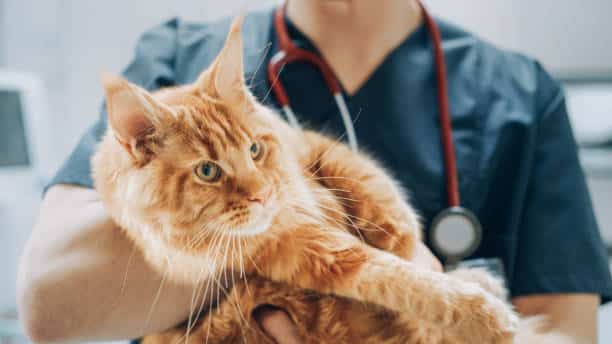
Veterinarian in dark scrubs holding an orange long-haired cat during an exam

The Surprising Reasons Felines Need Routine Care by a Professional Cat Vet

Cats are known for their independence, graceful movements, and ability to hide discomfort. Because they often appear healthy and self-sufficient, many owners assume that veterinary visits are only necessary when something seems wrong. However, this belief can lead to missed opportunities for early diagnosis and preventive care.

Routine veterinary care plays a vital role in maintaining a cat’s overall health and well-being. A professional cat vet can identify potential issues before they become serious, helping pets live longer and healthier lives.

Cats Are Experts at Hiding Illness

One of the most surprising facts about cats is how effectively they conceal signs of illness. In the wild, showing weakness can make an animal vulnerable, and domestic cats still retain this instinct.

As a result, many health conditions develop gradually without obvious symptoms. By the time noticeable changes occur, the problem may already be advanced. Regular visits to a vet allow professionals to detect subtle warning signs that owners may not recognize at home.

Routine examinations can uncover issues related to weight, dental health, mobility, and internal organ function long before they become severe.

Preventive Care Saves Future Problems

Many people associate veterinary care with treating illness, but prevention is equally important. Routine checkups help ensure that a cat remains healthy throughout different stages of life.

Preventive care may include vaccinations, parasite control, nutritional guidance, and health screenings. These measures help reduce the risk of developing serious conditions later on.

When pet owners search for a vet close by me, they often focus on convenience during emergencies. However, establishing a relationship with a local veterinary professional before problems arise can lead to better long-term care and faster responses when urgent situations occur.

Dental Health Is Often Overlooked

Dental disease is one of the most common health concerns affecting cats. Unfortunately, many owners are unaware of the issue because symptoms are often subtle.

Bad breath, difficulty eating, inflamed gums, and tooth decay can significantly impact a cat’s quality of life. Left untreated, dental problems may even contribute to more serious health complications affecting other parts of the body.

A routine examination allows a veterinary professional to evaluate oral health and recommend appropriate treatments before problems become severe. Regular dental assessments are one reason why ongoing veterinary care is so valuable.

Weight Changes Can Signal Larger Issues

A slight increase or decrease in weight may seem insignificant, but it can sometimes indicate underlying health concerns.

Weight gain can contribute to obesity-related complications, while unexpected weight loss may signal metabolic disorders, digestive problems, or other medical conditions. Because these changes often occur gradually, owners may not immediately notice them.

A professional vet monitors body condition over time, making it easier to identify concerning trends and recommend adjustments to diet or lifestyle when necessary.

Routine Screenings Detect Hidden Conditions

Many diseases develop silently during their early stages. Conditions affecting the kidneys, thyroid, heart, and other organs may not produce obvious symptoms until significant damage has occurred.

Routine screenings provide valuable information about a cat’s internal health. Blood tests, urine analysis, and physical examinations can reveal concerns that would otherwise remain undetected.

For pet owners looking for a reliable vet close by me, choosing a clinic that emphasizes preventive screenings can greatly improve the chances of early diagnosis and successful treatment.

Senior Cats Require Additional Attention

As cats age, their healthcare needs change. Older pets become more susceptible to chronic conditions and age-related health concerns.

Regular veterinary visits help monitor these changes and ensure that aging cats receive appropriate support. Early intervention can often slow disease progression and improve comfort.

Many senior cats continue to live active and fulfilling lives when health issues are identified and managed promptly. Routine care becomes increasingly important as a cat enters its later years.

Behavioral Changes Can Have Medical Causes

Owners sometimes assume that unusual behavior is simply part of a cat’s personality. However, sudden changes in mood, activity levels, appetite, or litter box habits can indicate underlying health problems.

A cat that becomes withdrawn, aggressive, or unusually vocal may be experiencing discomfort or illness. Veterinary professionals are trained to recognize connections between behavioral changes and medical conditions.

This is another reason why regular checkups remain essential even when a cat appears physically healthy.

Building a Health History Matters

Routine veterinary visits create a detailed record of a cat’s health over time. This information helps professionals identify patterns and monitor changes more effectively.

Having an established medical history becomes particularly valuable when unexpected health issues arise. Veterinarians can compare current findings with previous records to make more accurate assessments and treatment decisions.

Reducing Stress During Future Visits

Cats are often sensitive to unfamiliar environments. Waiting until a medical emergency occurs can make veterinary visits more stressful for both pets and owners.

Regular appointments help cats become familiar with the clinic environment, veterinary staff, and handling procedures. This familiarity can reduce anxiety during future visits and make examinations more productive.

A positive relationship with a trusted cat vet can contribute to a smoother healthcare experience throughout a cat’s life.

Conclusion

Cats may appear independent and resilient, but they still require consistent medical attention to stay healthy. Routine veterinary care provides benefits that extend far beyond treating illness. From early disease detection and preventive care to dental health and behavioral assessments, regular checkups play a crucial role in supporting long-term well-being.

A skilled cat vet can identify subtle health concerns that might otherwise go unnoticed, helping owners make informed decisions about their pet’s care.

By prioritizing routine veterinary visits, cat owners can help their companions enjoy healthier, happier, and longer lives.

If you are looking for routine vet care for cats in west Mississauga, visit our cat hospital at 5602 Tenth Line W, Unit 104. Exams are $49.50. Call (905) 814-1717, Monday to Friday 9 AM to 8 PM or Saturday 10 AM to 5 PM.

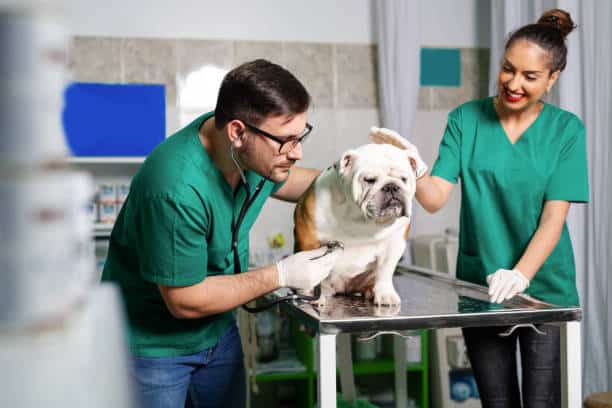
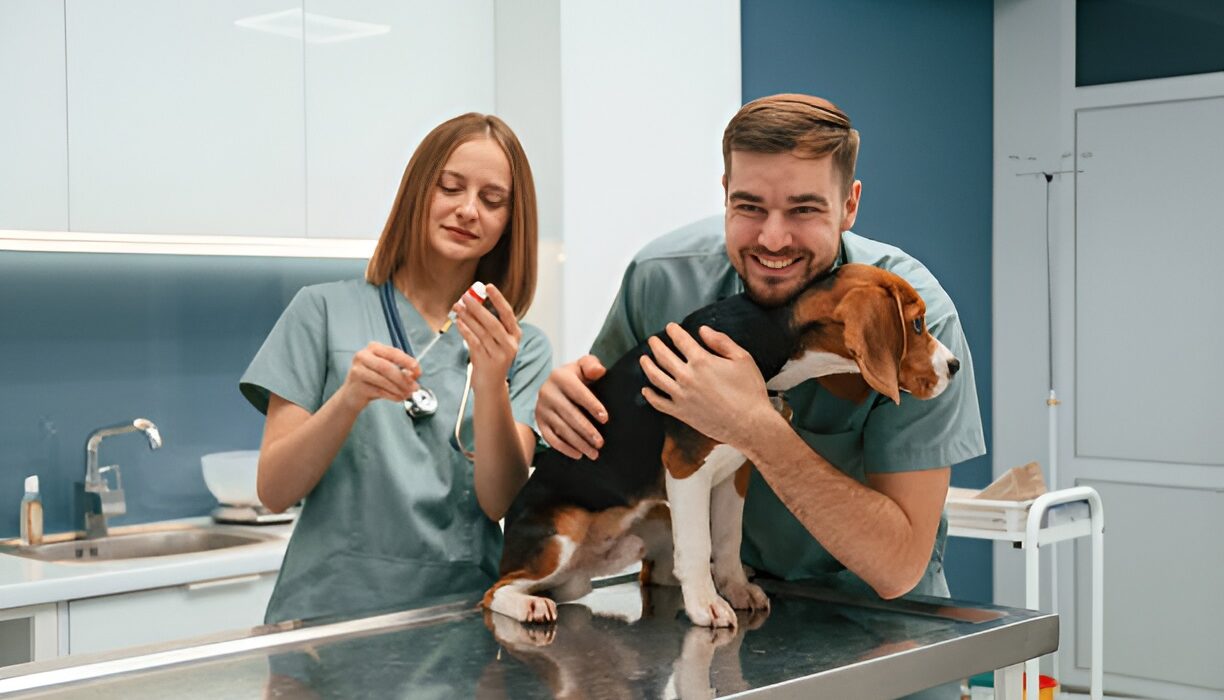
Veterinary team in green scrubs holding a beagle on a steel exam table during a clinic visit

What Your Vet in Mississauga Wants You to Know About Preventive Care

Pet owners want their furry companions to live long, happy, and healthy lives. While treating illnesses is an important part of veterinary medicine, preventing health problems before they start is often the best approach. Preventive care helps identify potential concerns early, supports overall wellness, and can improve a pet’s quality of life for years to come.

Whether you have a playful puppy, a curious kitten, or a senior pet, understanding the value of preventive care can help you make informed decisions about their health. If you’ve ever searched for a vet near me, chances are you’re already taking an important step toward protecting your pet’s future.

What Is Preventive Veterinary Care?

Preventive care refers to routine healthcare services designed to keep pets healthy and reduce the risk of disease. Rather than waiting until a problem develops, veterinarians focus on monitoring health, providing vaccinations, and identifying concerns before they become serious.

Preventive care often includes:

  • Wellness examinations
  • Vaccinations
  • Parasite prevention
  • Dental care
  • Nutritional guidance
  • Diagnostic screenings
  • Weight management

These services work together to support a pet’s overall health throughout every stage of life.

Why Regular Wellness Exams Matter

Routine veterinary visits are one of the most important aspects of preventive care.

During a wellness exam, a veterinarian evaluates your pet’s overall condition and looks for signs of potential health concerns. Many illnesses can develop gradually, making them difficult for owners to notice at home.

A professional examination allows veterinarians to detect subtle changes that may indicate an underlying issue. Early detection often leads to more effective treatment and better outcomes.

When searching for a vet clinic near me, pet owners should consider facilities that emphasize regular wellness visits and long-term health planning.

Vaccinations Help Protect Your Pet

Vaccines play a critical role in preventive care by protecting pets from potentially serious diseases.

Vaccination schedules vary depending on factors such as age, lifestyle, and overall health. Puppies and kittens typically require a series of vaccinations early in life, while adult pets benefit from booster shots to maintain protection.

Keeping vaccinations up to date not only safeguards individual pets but also helps protect the broader animal community.

Your veterinarian can recommend a vaccination schedule tailored to your pet’s specific needs.

Parasite Prevention Is Essential

Parasites can affect pets year-round and may cause a variety of health issues.

Common parasites include:

Fleas

Fleas can lead to itching, skin irritation, and allergic reactions.

Ticks

Ticks may transmit diseases that affect both pets and humans.

Heartworms

Heartworm disease can cause serious damage to a pet’s heart and lungs.

Intestinal Parasites

These parasites may affect digestion and overall health.

Preventive medications can significantly reduce the risk of parasite-related problems and should be discussed during routine veterinary visits.

Dental Health Is Often Overlooked

Many pet owners focus on vaccinations and physical health while overlooking dental care.

Poor oral health can contribute to:

  • Bad breath
  • Tooth loss
  • Gum disease
  • Pain while eating
  • Secondary health complications

Regular dental evaluations help identify issues before they become severe. Maintaining good oral hygiene can improve comfort and support overall wellness.

A best vet search often leads pet owners to clinics that offer comprehensive preventive services, including dental care.

Nutrition Plays a Major Role

A balanced diet is one of the foundations of preventive healthcare.

Different pets have different nutritional requirements depending on their age, breed, activity level, and health status. Feeding the right diet helps maintain a healthy weight, supports immune function, and reduces the risk of certain medical conditions.

Veterinarians can provide guidance on selecting food that meets your pet’s unique needs and lifestyle.

The Importance of Diagnostic Screenings

Many diseases develop before visible symptoms appear.

Routine screenings may include:

  • Blood tests
  • Urinalysis
  • Fecal examinations
  • Heartworm testing
  • Other age-appropriate diagnostics

These tests provide valuable information about a pet’s internal health and can reveal concerns that are not apparent during a physical examination.

Regular screenings become increasingly important as pets age because the risk of certain health conditions tends to increase over time.

Preventive Care for Senior Pets

Senior pets often require additional attention to maintain their quality of life.

As pets age, they may become more susceptible to conditions such as:

  • Arthritis
  • Kidney disease
  • Diabetes
  • Heart disease
  • Vision and hearing changes

More frequent wellness visits and diagnostic testing can help manage age-related changes effectively.

A trusted vet in Mississauga professional can develop a care plan tailored to the specific needs of senior pets, helping them remain comfortable and active for as long as possible.

Building a Long-Term Veterinary Relationship

Preventive care works best when pet owners establish an ongoing relationship with their veterinarian.

Consistent care allows veterinary teams to:

  • Track health changes over time
  • Maintain accurate medical records
  • Provide personalized recommendations
  • Respond quickly to emerging concerns

When looking for a vet, choosing a clinic that values communication and preventive medicine can make a significant difference in your pet’s long-term health.

Similarly, selecting a reliable vet clinic ensures your pet receives continuous care from professionals familiar with their medical history.

Choosing the Right Veterinary Team

Not all veterinary clinics offer the same experience. Pet owners should seek providers who prioritize education, preventive care, and compassionate service.

The best vet is often one who takes time to answer questions, explain treatment options, and help owners make informed decisions about their pet’s wellbeing.

For local families, finding a trusted vet Mississauga provider can offer peace of mind and support throughout every stage of a pet’s life.

Conclusion

Preventive care is one of the most effective ways to support a pet’s health and happiness. Regular exams, vaccinations, parasite prevention, dental care, nutrition guidance, and diagnostic screenings all play important roles in maintaining wellness.

By taking a proactive approach, pet owners can often detect issues early, reduce the risk of serious illness, and improve their pets’ quality of life. Whether you’re searching for the best vet near me or an experienced vet in Mississauga, choosing a clinic that emphasizes preventive care is an investment in your pet’s future.

A healthy pet starts with consistent care, and preventive medicine remains one of the most valuable tools available for helping pets live their best lives.